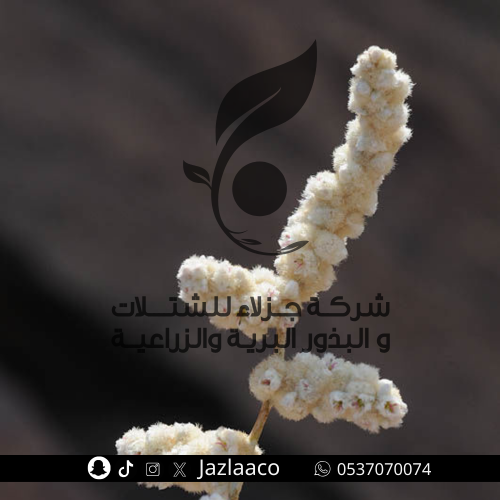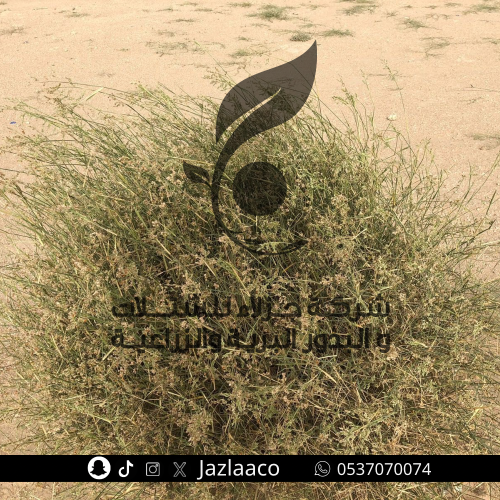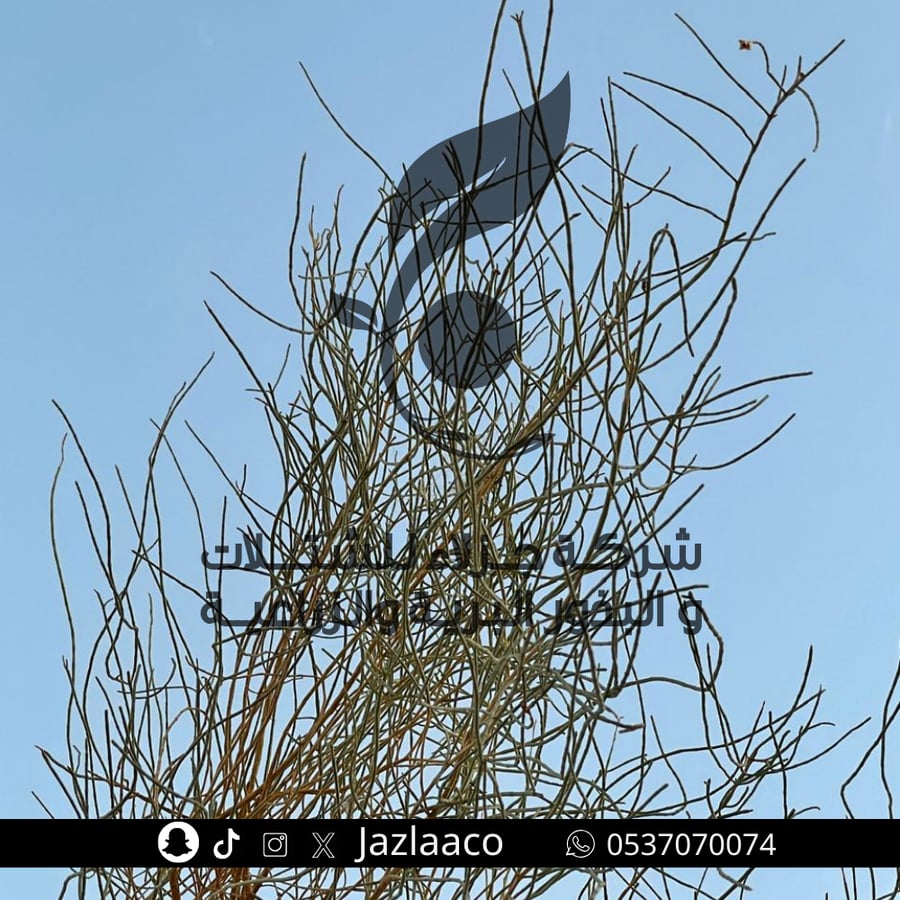
Dried artichoke herb
9.50ر.س
Product description
Dried tamarisk herb – Calligonum comosum
Common name: Arta, Abl, Desert Arta.
Scientific name: Calligonum comosum L'Hér.
English name: Arabian Calligonum, Desert Calligonum.
Family: Polygonaceae.
The part used: young branches and green aerial parts. Suitable parts of the plant may be collected, then cleaned and dried.
the introduction:
The *Arta* is a perennial, branching, and dense desert shrub that grows naturally in the sandy and arid regions of the Arabian Peninsula, North Africa, and parts of West Asia. It is a plant well-adapted to desert conditions, and its roots spread through the sand to help stabilize the soil and reduce sand encroachment.
The *Arta* plant is characterized by its slender, green branches, which perform a large part of photosynthesis, while its leaves are very small and fall off quickly. It produces small flowers, followed by fruits with hairy appendages that aid in wind dispersal.
Some of its parts are used in traditional folk practices, and it has historically been associated with multiple uses in desert environments. It contains natural plant compounds whose properties are being researched.
🌿 Traditional Uses
- The small branches and fruits have traditionally been used in some regions to add flavor to milk and rice.
- The dried parts were popularly used in some practices related to toothaches and mouth and gum problems.
- Some of its parts were traditionally used in leather tanning, hair dyeing, and perfumery.
- The Arta plant is an important grazing plant in desert environments, and its parts are eaten by camels and some grazing animals.
- Plant extracts have been studied in the laboratory for containing plant compounds with biological activity, but this does not prove their therapeutic effectiveness in humans.
☕ Preparation method
Traditional uses of the tamarisk vary according to the plant part and when it is collected; young green branches and fruits have been used in some popular food practices.
📦 Storage
- Store in a tightly sealed container.
- Store in a dry, cool place away from direct sunlight.
- It must be protected from moisture to prevent the growth of mold and fungi.
- It is best to keep it away from food and substances with strong odors.
- Do not use if it shows signs of mold or its smell has changed abnormally.
⚠️ Warnings and Safety (Safety)
- The available scientific information on the safety of tamarisk when taken internally is still limited.
- Research indicates the presence of volatile oils and defensive phenolic compounds in some ancient parts of the plant, which may have toxic effects.
- It is not recommended to take dried branches or their extracts in therapeutic doses without expert supervision.
- Internal use should be avoided during pregnancy and breastfeeding due to insufficient safety data.
- Popular uses should not be considered evidence of therapeutic efficacy.
- The botanical identity of the product should be verified, as some types of tamarisk may look similar.