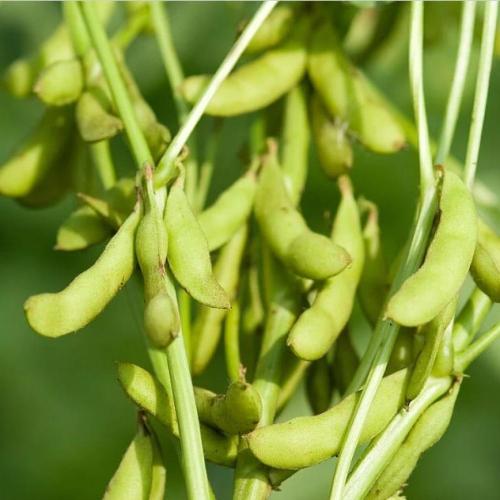
Seeds of the Anabasis herb
6ر.س
Product description
Common name: Anabasis herb
Scientific name: Anabasis
Other names: Shannan, Tarteer, Ajramal
Shannan is an evergreen dense shrub, leafless, about half a meter tall, sometimes reaching one meter. Its stems are filled with sap, and it is toxic.
Flower of the Shannan herb: Its small pink flowers bloom in spring, and it can also be cultivated year-round in agricultural reserves, enclosed or plastic places where temperature can be controlled and sunlight reaches, or where adequate lighting for the plant is available.
Fruit and seeds of the Shannan herb: Its elongated fruits contain small brown seeds inside.
Season for germinating the Shannan herb: Shannan seeds are planted in March and April after the danger of spring frost has passed. It can also be cultivated year-round in agricultural reserves, enclosed or plastic places where temperature can be controlled and sunlight reaches, or where adequate lighting for the plant is available.
Suitable climate and soil for the Shannan herb: The plant grows best at temperatures between 15 and 18°C. It can live in various types of soil, especially clay or loamy soils. It tolerates high salinity, drought, and frost. It is watered regularly.
Method of cultivating the Shannan herb: It reproduces through seeds, which are planted at a depth of 1 cm to 2 cm from the soil surface. It can also be fertilized with organic fertilizer at least once.
Its benefits and uses: The Shannan plant has many uses; for example, Bedouins use it to boil clothes because it is rich in sodium carbonate, potash, and others.
Original habitat of the Shannan herb: It is widespread in Saudi Arabia, the Gulf countries, and various desert regions of the Levant.

From Buraydah
Questions you might have