

Tamarind tree seeds
6ر.س
Product description
Common name: Tamarind tree - Tamarindus indica
Scientific name: Tamarindus indica
Among its names: Al-‘Ardeeb
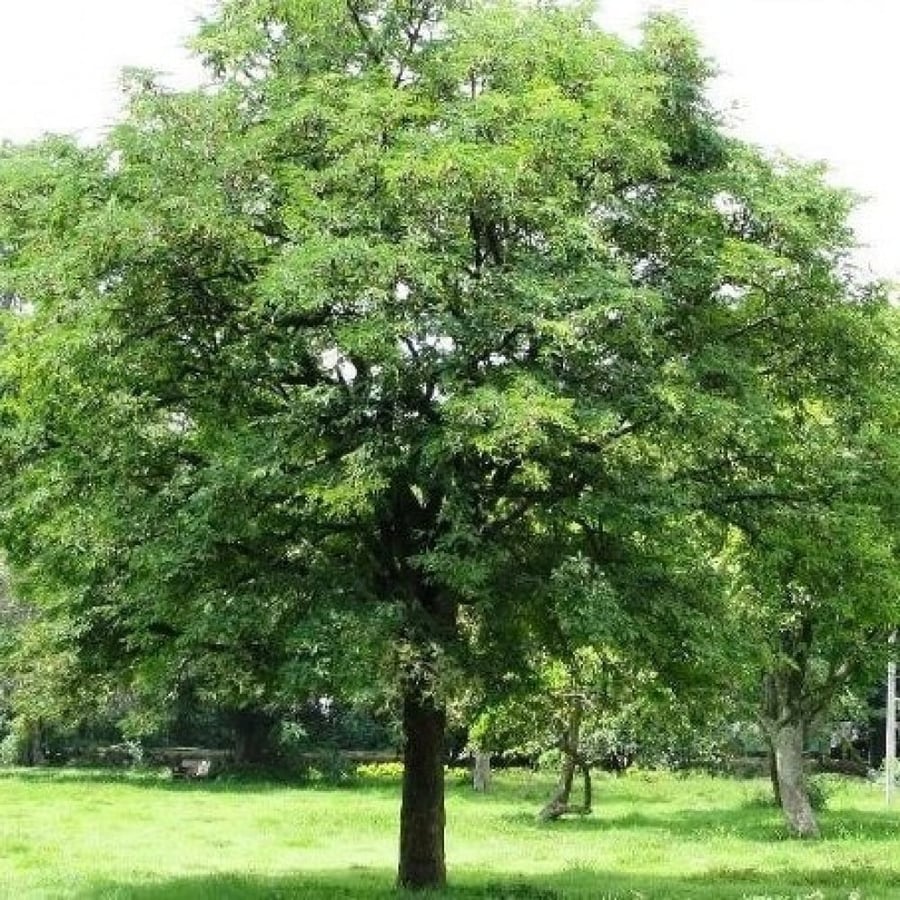
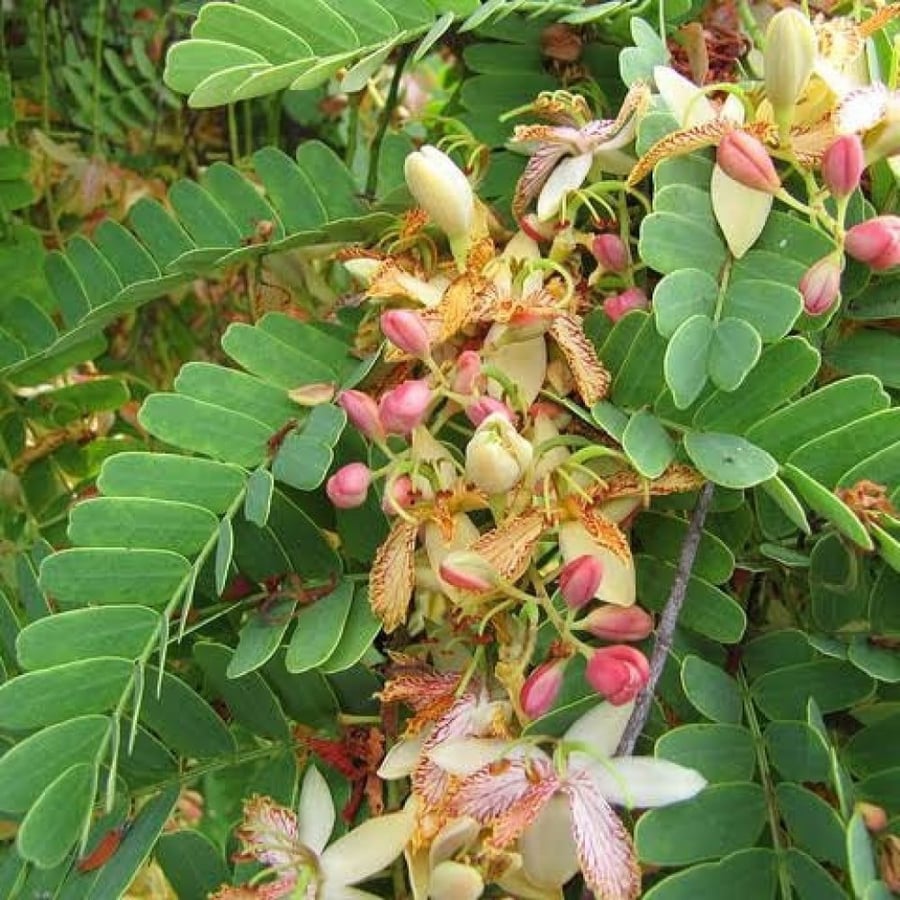
A large tree reaching up to 20 meters in height, with a dense round crown, a short thick trunk, and drooping branches. Its leaves are compound, pinnate, glossy green, oval-shaped, containing 10-18 pairs of elongated leaflets that fold at night.
Tamarind tree flower: The flowers are in small cluster inflorescences, long, red and yellow, blooming from March to May.
Tamarind fruit and seeds: The fruit is enclosed between the seeds, meaning the diameter of the fruit is very narrow between the seeds. The seed is surrounded by a sweet and sour fleshy pulp. Its size is 15 cm – 20 cm.
Tamarind seedling season: Tamarind is planted at the beginning of the spring season, and it can also be cultivated throughout the year in agricultural protected areas, enclosed or plastic places where temperature can be controlled, or where the plant receives the necessary light.
Suitable climate and soil for tamarind cultivation: It grows well under full sunlight in clay, loamy, and deep sandy soils, as well as acidic and calcareous soils. It is sensitive to frost and small trees should be protected from cold. Although highly drought-resistant, it requires regular watering.
Tamarind cultivation method: Propagation is done by cuttings and air layering, in addition to seeds that are planted in soil at a depth of 1 cm to 2 cm.
Its benefits and uses: It has various uses, including as an ornamental tree for shade and as a roadside tree, and it is used as a single specimen. It is widely used in parks.
Original habitat of the tamarind tree: Its native regions are Africa and Southeast Asia.

From Buraydah