Seeds of the Bombax ceiba tree
7ر.س
Product description
Common name: Bombax
Scientific name: Bombax ceiba
Also known as: Red cotton
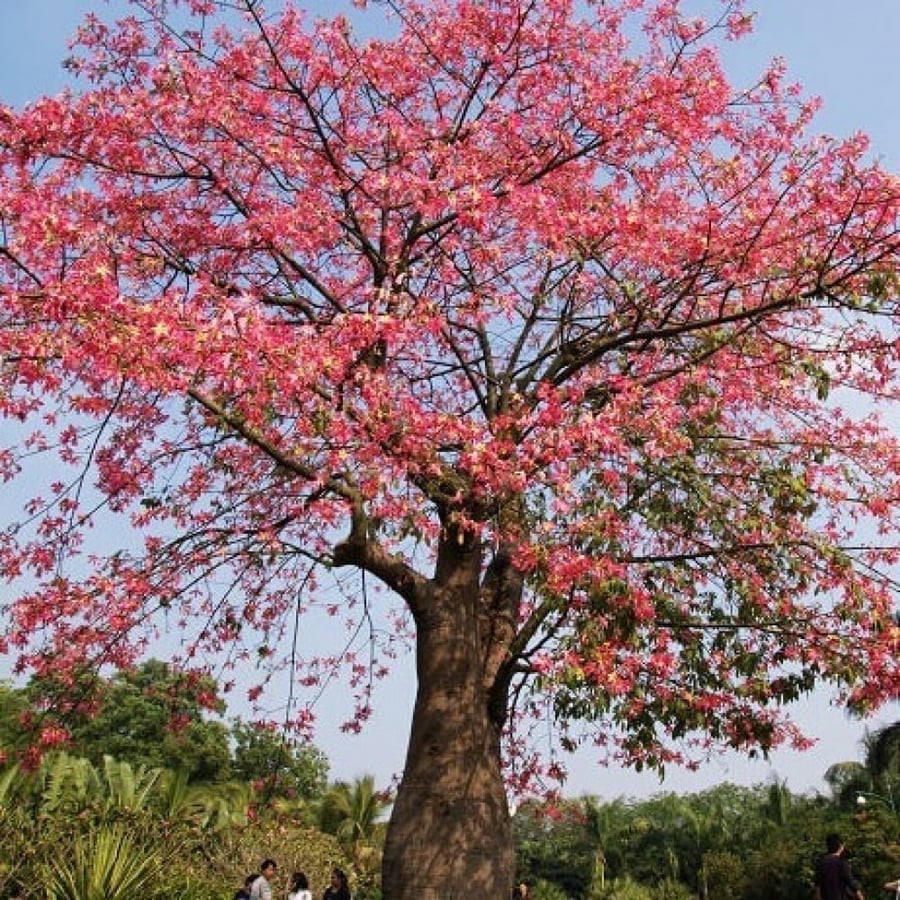
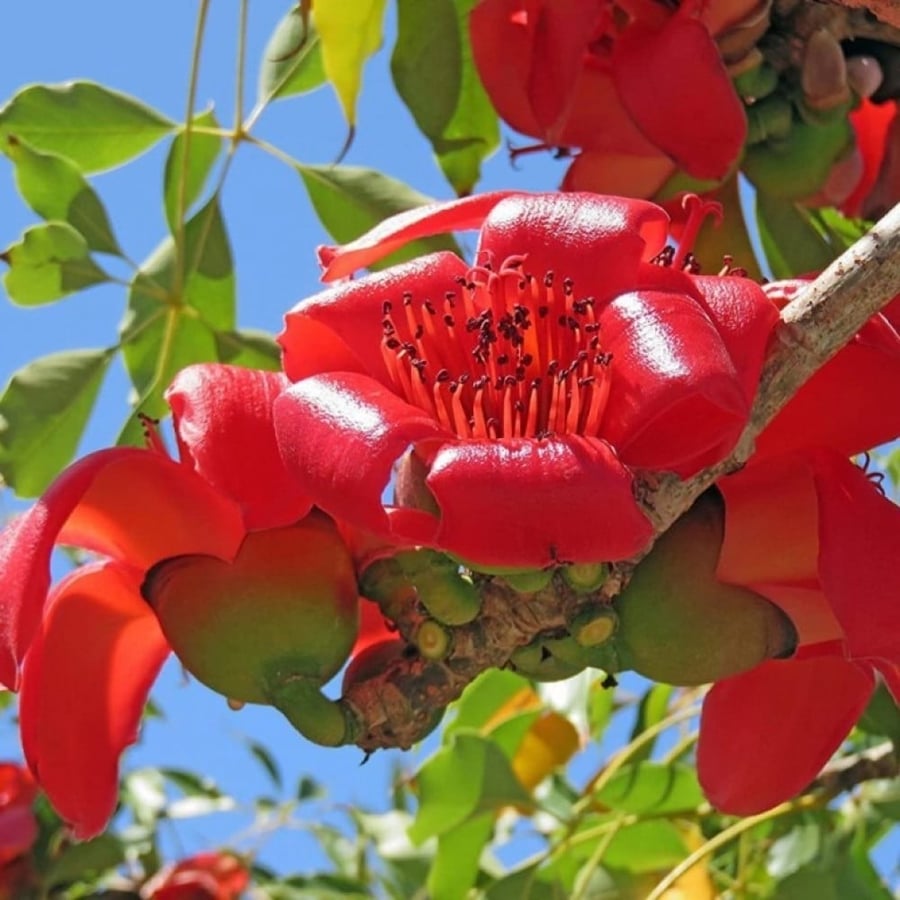
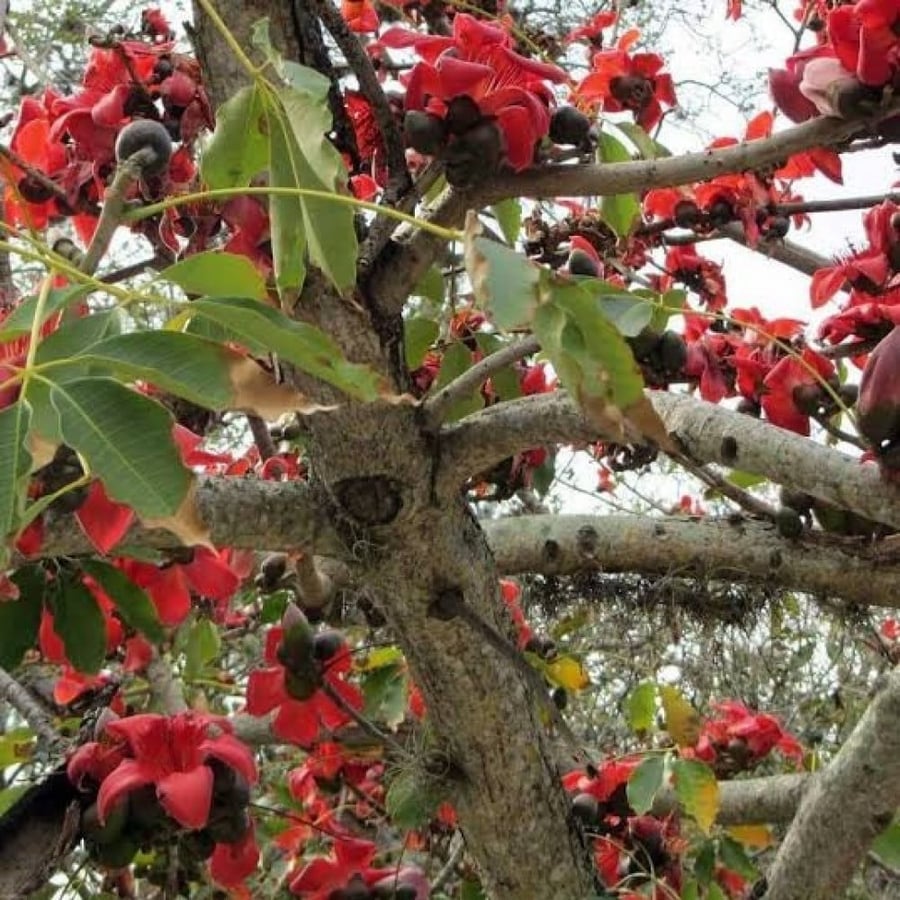
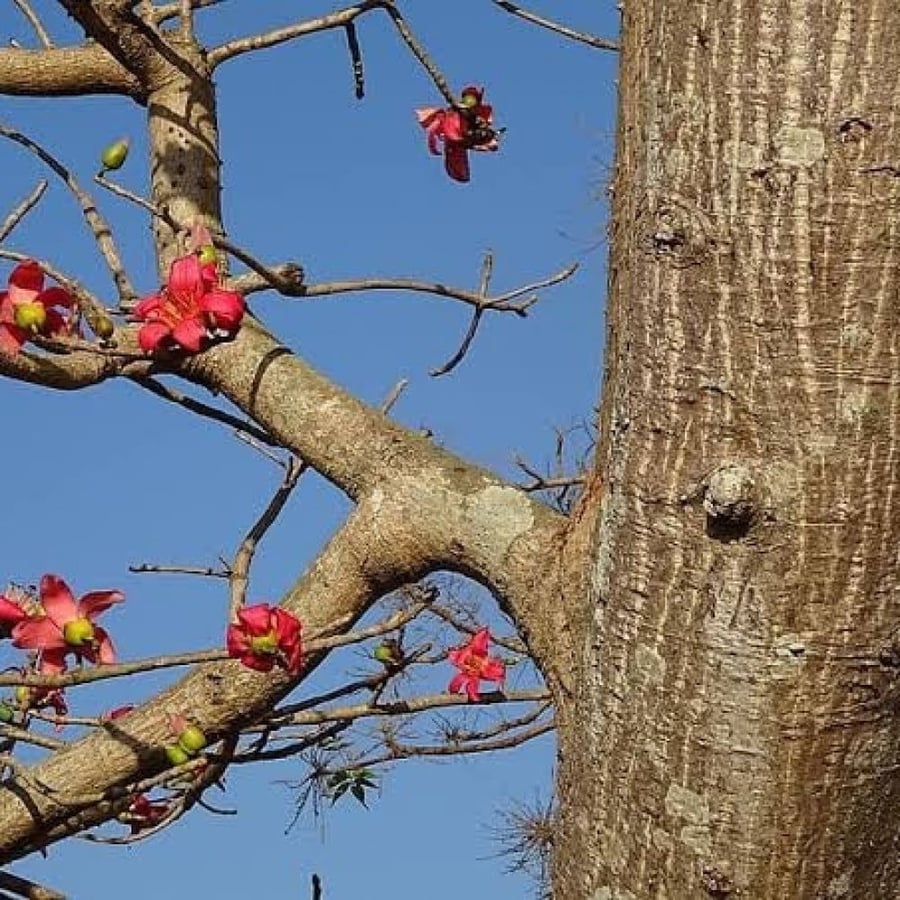
Bombax in its original habitat reaches up to 50 meters, but in cultivation, it does not exceed 25 meters. Its branches and trunk have sharp thorns, and its leaves are deciduous, compound with seven oval-shaped leaflets, each about 20 cm long. The petals are cup-shaped, and the stamens are black, making it attractive in winter when most trees are in dormancy.
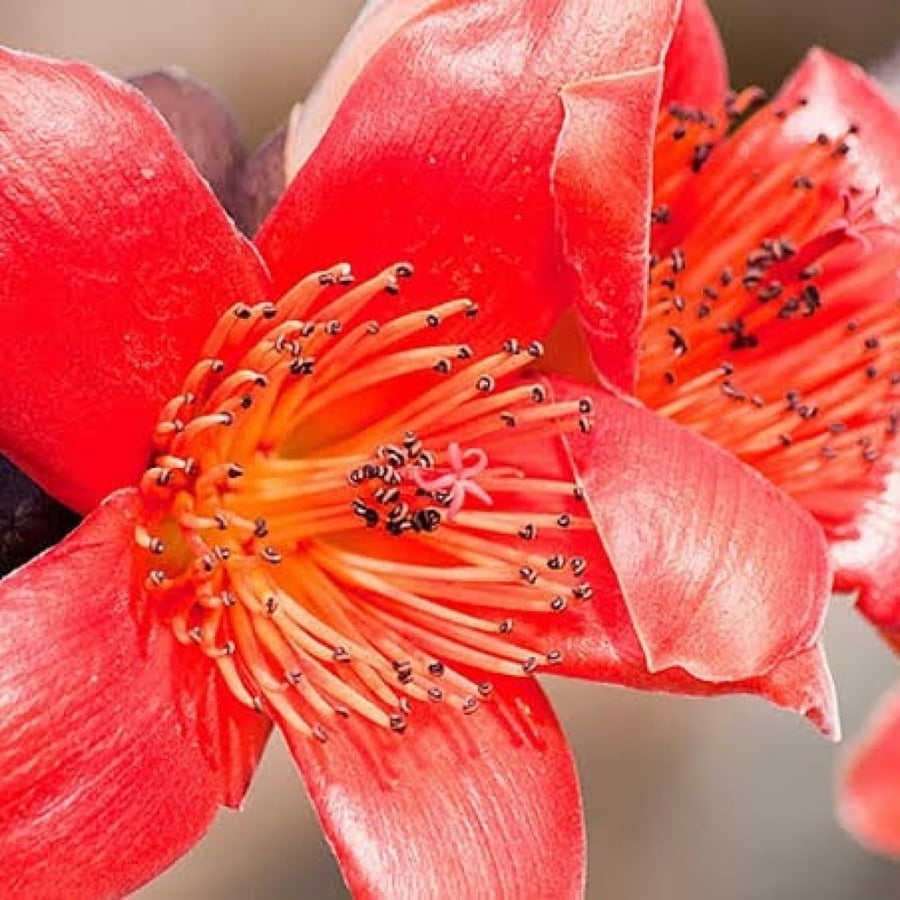
Bombax tree flower: When the leaves fall, attractive flowers appear, either red, crimson, or white, with a diameter of 12 cm. They do not last long, but new flowers continue to bloom throughout the flowering period.
Bombax tree fruit and seeds: The seeds are inside a capsule-shaped fruit, which, when ripe, splits open to release the seeds covered with cottony hairs.
Bombax tree propagation season: Seeds are planted from February to April, and they can also be cultivated year-round in agricultural nurseries and enclosed or plastic environments where temperature can be controlled, sunlight reaches, or adequate lighting is available for the plant.
Suitable climate and soil for cultivating Bombax: It tolerates heat but requires good, abundant watering and fertile soil. It also needs direct sunlight and can withstand frost and monsoon winds.
How to cultivate Bombax: The tree propagates through seeds, cuttings, and air layering, planted at a depth of 1 cm to 3 cm in the soil. It is planted directly in the ground, grows quickly, and should be fertilized with organic fertilizer at least once.
Its benefits and uses: It is a decorative tree in public gardens and is found in most large parks. The silk tree got its name from the fibers covering the seeds inside the capsule, which are used in textile and clothing industries, and have economic uses.
Original habitat of the Bombax tree: India and Australia, and it is cultivated in Saudi Arabia and Gulf countries.

From Buraydah