Product description
Common name: Orange Jasmine
Scientific name: CITRUS AURANTIUM
Also known as: Abu Sufair
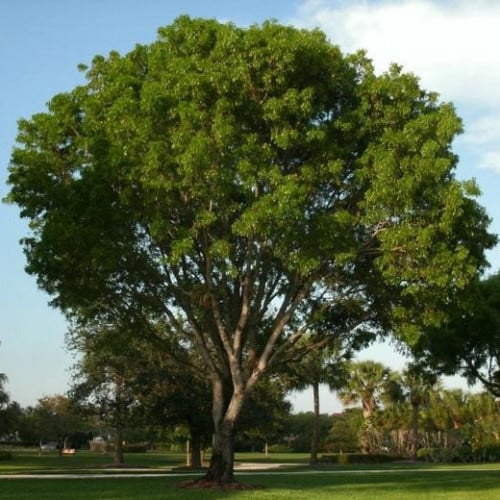
Orange Jasmine is an evergreen perennial tree belonging to the citrus genus of the Rutaceae family, reaching a height of up to ten meters. Its leaves are dark leathery, with thorny branches, and its roots are deep penetrating into the soil. Orange Jasmine is considered the most important rootstock for citrus grafting, as grafted trees grow strongly and produce high-quality fruit.
• Grafting:
Orange Jasmine trees are grafted by taking a part (scion) from a citrus tree, whether orange, lemon, or other citrus, with excellent fruit quality and specifications. This scion is placed onto the trunk of the tree (grafting is what makes the tree bear fruit). It is then secured in a specific way through a cut or wound in the original tree, known to specialists. Grafting is usually done at the end of winter, in February.
• Orange Jasmine flower:
The flowers are white with a pleasant aromatic scent, blooming in spring.
• Orange Jasmine fruit and seeds:
The fruit is large, round, with a reddish-orange color and a rough texture. Its taste is sour, similar to lemon.
• Orange Jasmine propagation season:
The best time to plant Orange Jasmine is in February and March, but it can also be planted year-round in protected agricultural environments, enclosed or plastic places where temperature can be controlled, and where the plant receives sufficient light.
• Suitable climate and soil for Orange Jasmine:
Orange Jasmine trees tolerate severe cold, high temperatures, and high humidity. They prefer heavy clay soils but can adapt to calcareous and medium soils. They should be watered regularly.
• How to plant Orange Jasmine:
It propagates through air layering, cuttings, or seeds at a depth of 1-2 cm from the soil surface. It can also be fertilized with organic fertilizer at least once.
• Benefits and uses:
It is cultivated for its fruit and ornamental purposes along roadsides. It is also the most commonly used rootstock for grafting citrus trees.
• Native habitat of Orange Jasmine:
China, from where it spread to many parts of the world, including Iraq, the Levant, Saudi Arabia, and many Arab countries.

From Buraydah