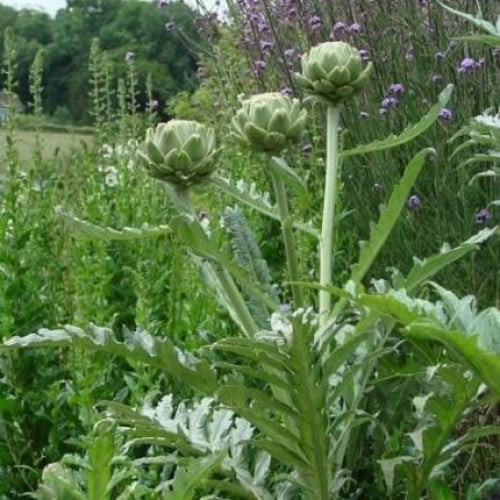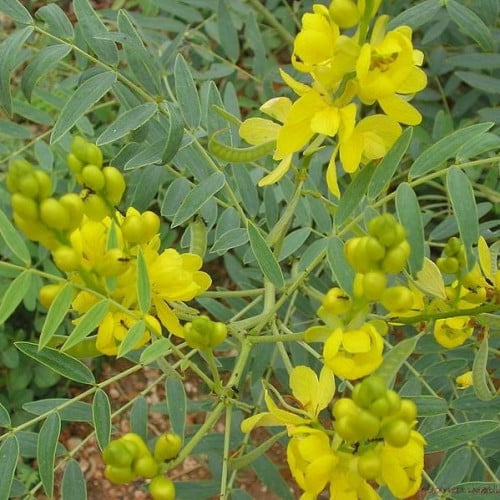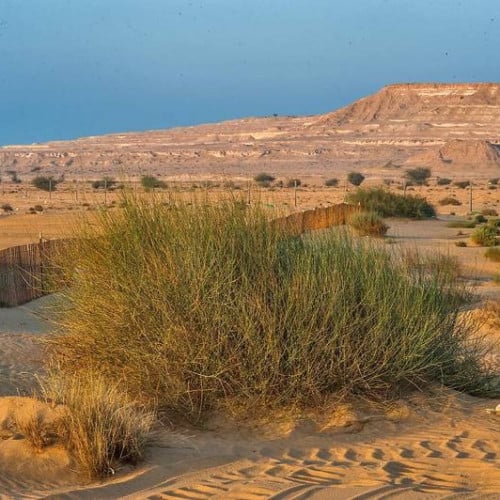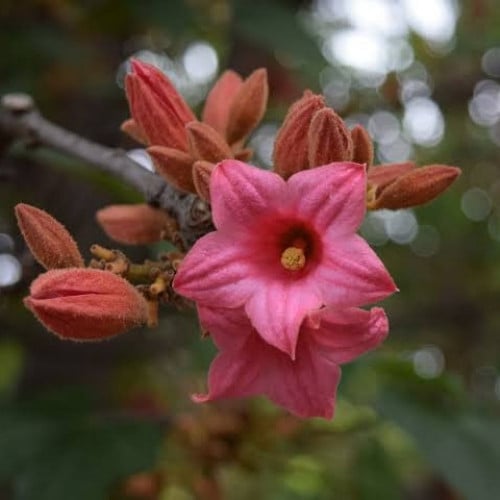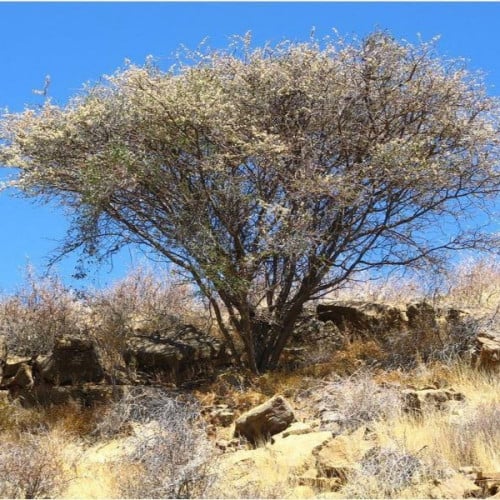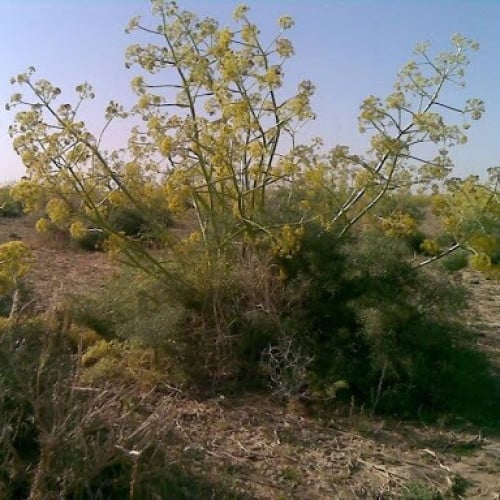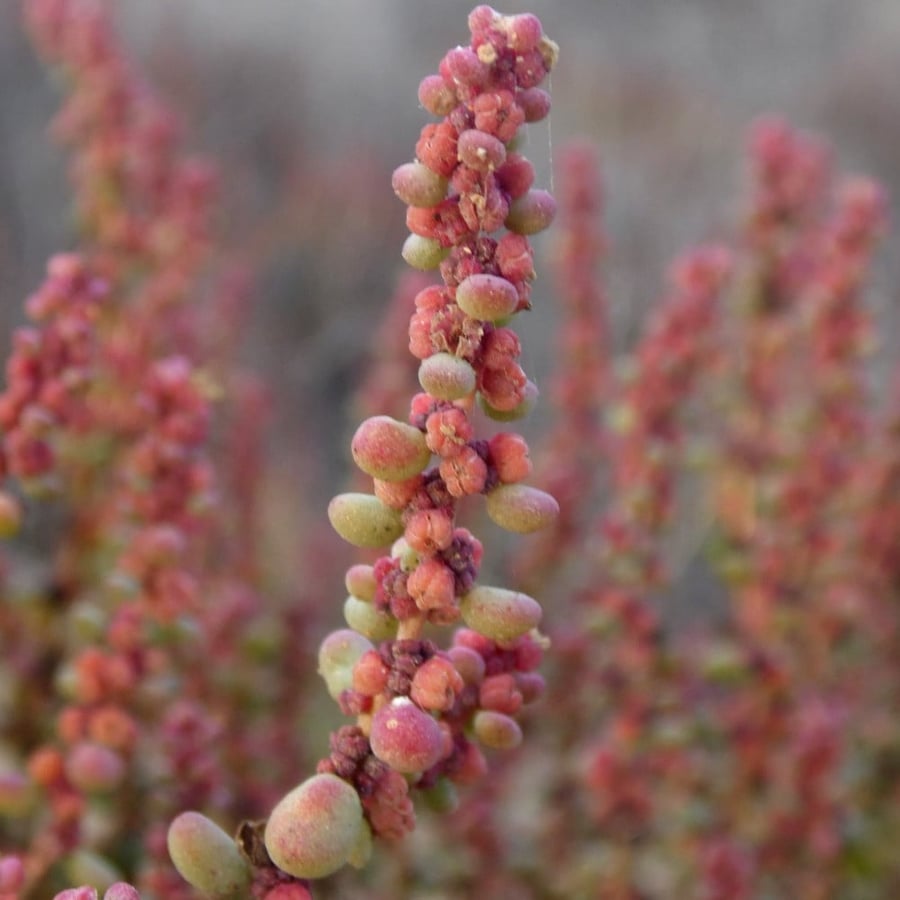

Seeds of the plant Al-Dhamran (Traganum nudatum)
6ر.س
Product description
Common name: Al-Dhamran
Scientific name: Traganum nudatum
Also known as: Al-Thar, Al-Then, Al-Wali, or Al-Kharith
The plant Al-Dhamran belongs to the family of the Quatif species, sometimes reaching a length of two meters. It is a shrub with flexible, intertwined stems, evergreen leaves, and rapid growth.
• Flower of the Al-Dhamran plant: Its small yellow flowers bloom in spring.
• Seeds of the Al-Dhamran plant: Its small round seeds are dark brown in color.
• Growing season of the Al-Dhamran plant: It is planted at the end of winter and in spring, and can also be cultivated throughout the year in agricultural reserves, enclosed or plastic-covered places where temperature can be controlled, sunlight reaches, or where adequate lighting for the plant is available.
• Suitable climate and soil for the Al-Dhamran plant: It tolerates drought, high temperatures, and cold, and can live in desert areas. It grows in fertile, well-drained, and ventilated lands, resistant to frost, and is watered regularly.
• Method of cultivating the Al-Dhamran plant: It is cultivated by seeds at a depth of 1 cm to 2 cm from the soil surface. It can be fertilized with organic fertilizer at least once. The seeds need moisture during germination, knowing that they do not require much water after growth. It is not recommended to plant in highly saline soil, nor to water with highly saline water. It is advised to plant fresh seeds.
• Its benefits and uses: Al-Dhamran is one of the medicinal herbs used as a traditional remedy, with effectiveness as an antibacterial and antioxidant.
• Native habitat of the Al-Dhamran plant: The Arabian Peninsula, also found in the Levant, Egypt, and the Maghreb.

From Buraydah
Questions you might have