Product description
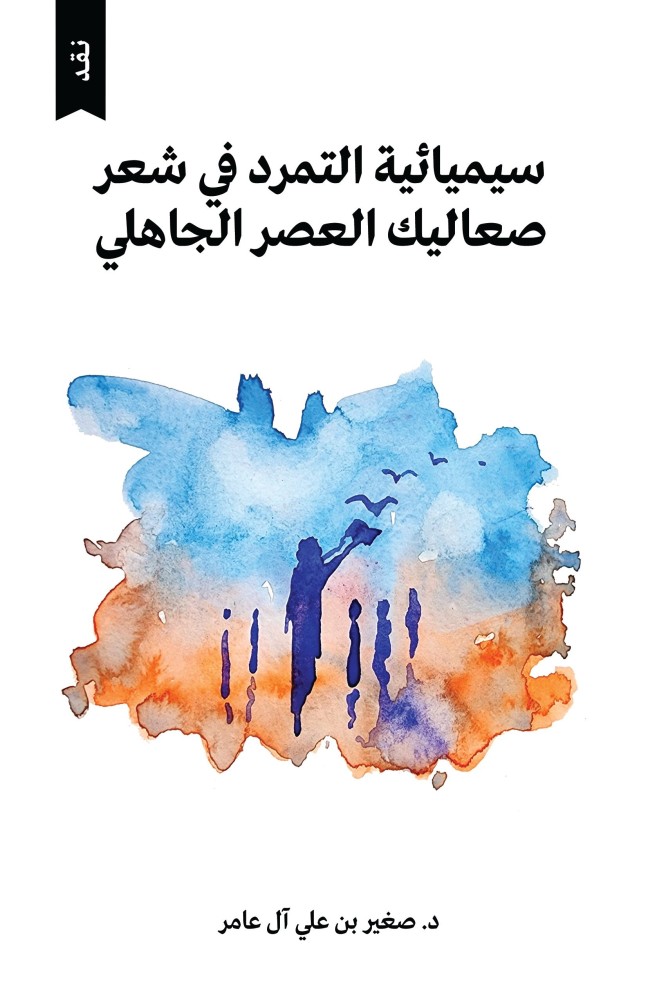
I tried in this research to present a reading of the poetry of the nomads of the pre-Islamic era that differs from previous readings, emphasizing my awareness of the importance of modern approaches in reinterpreting traditional poetic texts, and their role in enriching my knowledge with methodological skills that enable me to conduct a conscious interpretive reading of literary heritage texts. Therefore, I relied on the mechanisms of the semiotic approach of Burci to delve into the depths of these texts, identify their features, and examine their various connotative dimensions. Then, in this book, I aimed to prove that the symbol of rebellion, with its icons, signs, and symbols, ultimately expresses a struggle between the center, represented by the authority of the tribe with its sometimes exclusionary and oppressive values, and the marginalized, including the nomads of the pre-Islamic era who live outside the tribe's framework. However, this departure was driven by values they believe in, which can be called the values of "noble nomadism," compassion for the poor, providing them with their livelihood and dignity.