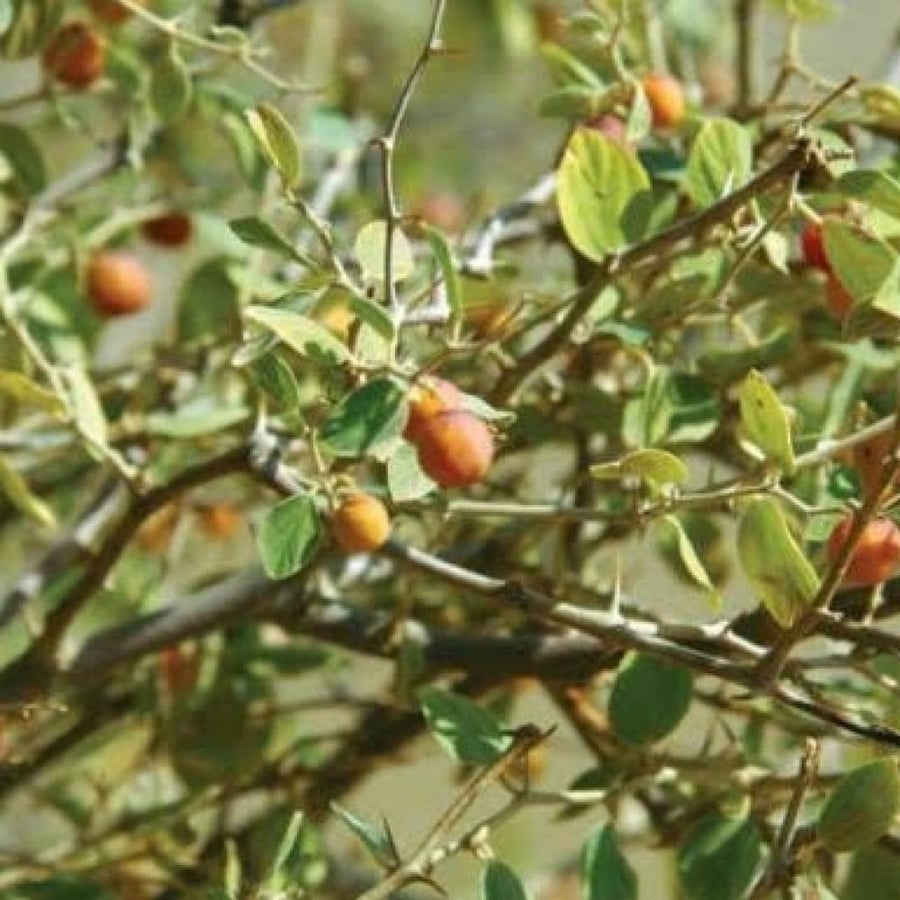

Wild Sidr seeds
39ر.س
Product description
Number 500 Seeds
Common name: Wild Sidr
Scientific name: ziziphus nummularia
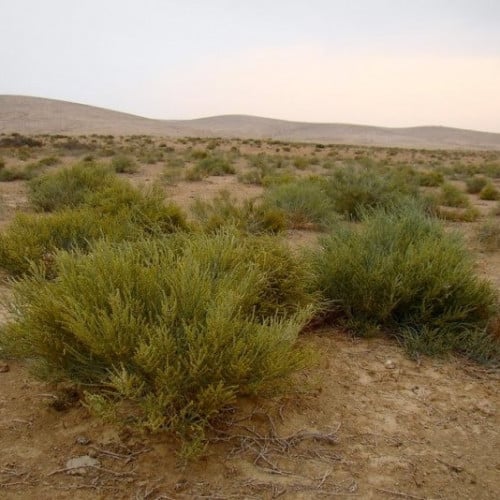
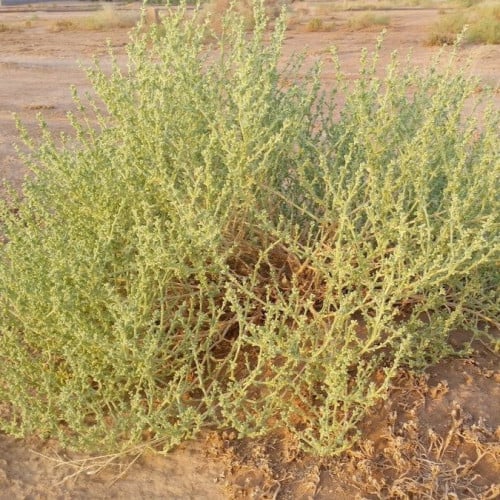
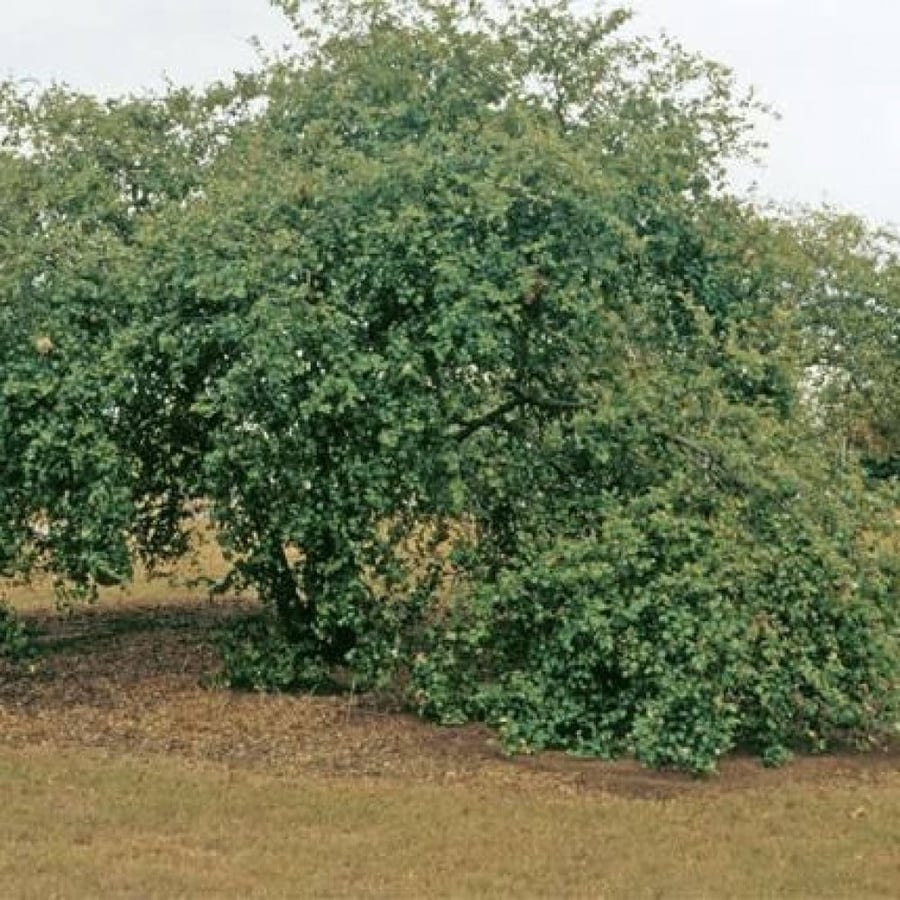
The Sidr tree is one of the desert trees belonging to the Rhamnaceae family, characterized by its dense leaves and branched trunks. Its small, oval-shaped leaves are the smallest among Sidr leaves, and it spreads in plains and ravines.
• Wild Sidr tree flower: The flowers are located in leaf axils, ranging from 10 to 15 small greenish-white flowers. Its flowers are summer-blooming.
• Wild Sidr tree fruit and seeds: Spherical in shape, with a diameter ranging from 1.5 to 3.5 cm, orange or red in color, with a sweet taste.
• Wild Sidr tree germination season: It is preferable to plant local Sidr in March and April, but it can be cultivated year-round.
• Suitable climate and soil for the wild Sidr tree: Sidr grows in dry and hot areas, can tolerate salinity and all types of soil, and is considered one of the best plants to withstand these harsh conditions.
• How to cultivate the wild Sidr tree: Sidr is propagated through cuttings and seeds. Due to the hardness of the seeds, they are soaked in water or broken to speed up growth. It takes a long time to germinate, so it must be watered regularly. Flowering begins from September to October. It is preferable not to water it too much to avoid falling flowers at this stage.
• Its benefits and uses: Local Sidr has many benefits. It is edible because it is sweet and rich in fiber and minerals. It is also used in soap-making and other cosmetic products.
• Native habitat of the wild Sidr tree: Its original habitat is Saudi Arabia, the Gulf countries, and Syria. It also spreads in tropical and subtropical regions.

From Buraydah