Anabasis
32ر.س
Product description
Number 500 - 1000 seeds
Common name: Anabasis (Shanan herb)
Scientific name: Anabasis
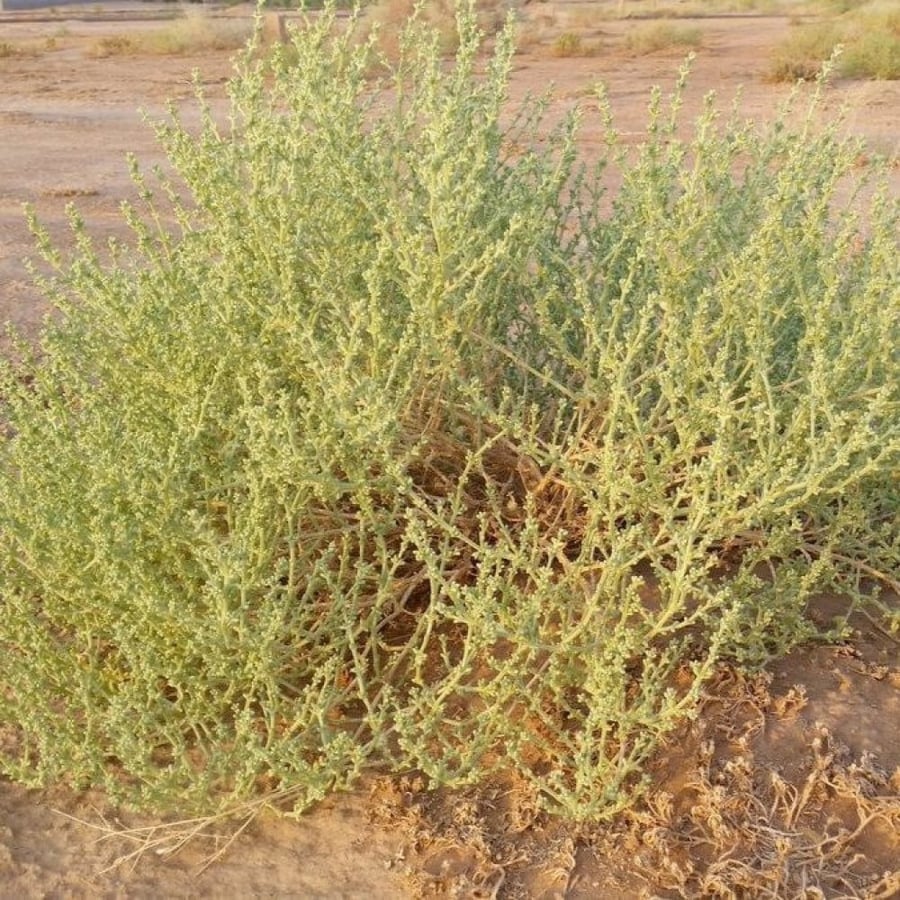
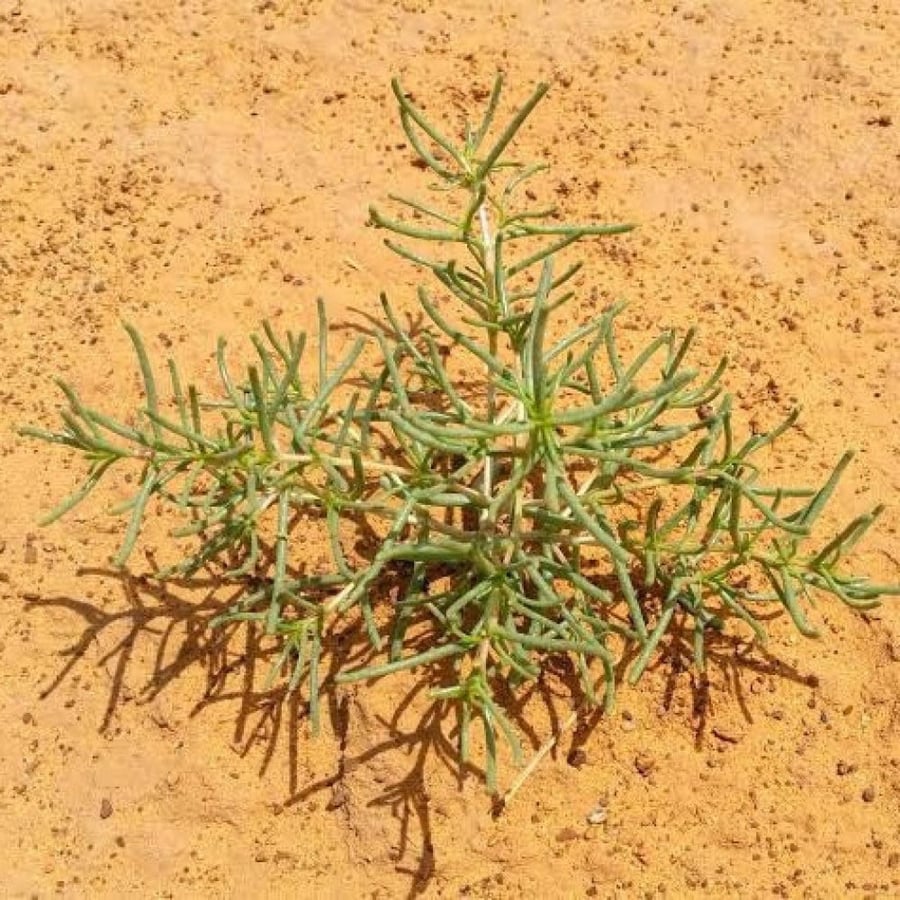
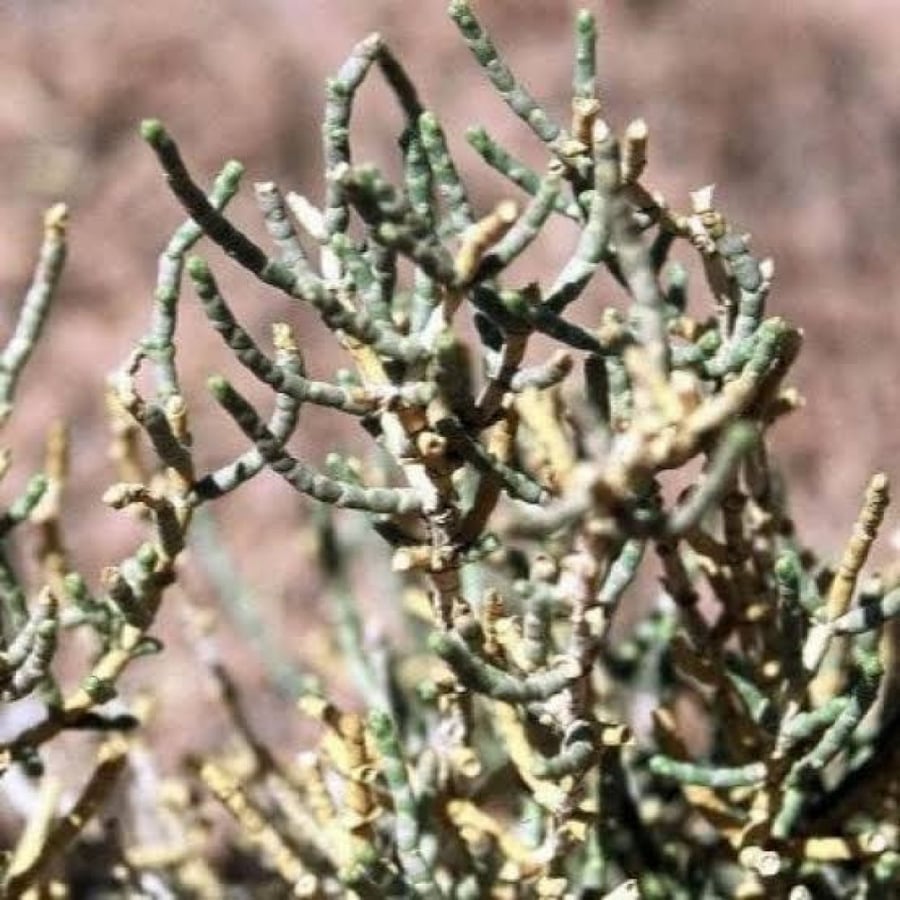
Shanan is an evergreen, dense, leafless plant, about half a meter tall, sometimes reaching one meter. Its stems are filled with sap. It is a weak grazing plant, accepted by some camels.
• Flower of Shanan herb: Its small pink flowers bloom in spring, and it can also be cultivated throughout the year in agricultural reserves and enclosed or plastic places where temperature can be controlled and sunlight reaches, or where adequate lighting for the plant is available.
• Fruit and seeds of Shanan herb: Its fruits are elongated in shape, containing small brown seeds inside.
• Season for germinating Shanan herb: Shanan seeds are planted in March and April after the danger of spring frost has passed. It can also be cultivated year-round in agricultural reserves and enclosed or plastic places where temperature can be controlled and sunlight reaches, or where adequate lighting for the plant is available.
• Suitable climate and soil for Shanan herb: Shanan grows best at temperatures between 15 and 18°C. It can live in various soil types, especially clay or loamy soils. It tolerates high salinity, drought, and frost. It is irrigated regularly.
• Method of cultivating Shanan herb: It reproduces through seeds, which are planted at a depth of 1 cm – 2 cm from the soil surface. It can also be fertilized with organic fertilizer at least once.
• Its benefits and uses: The Shanan plant has many uses; for example, Bedouins use it to boil clothes due to its richness in sodium carbonate, potash, and others.
• Native habitat of Shanan herb: It is widespread in Saudi Arabia, the Gulf countries, and various desert areas of the Levant.

From Buraydah