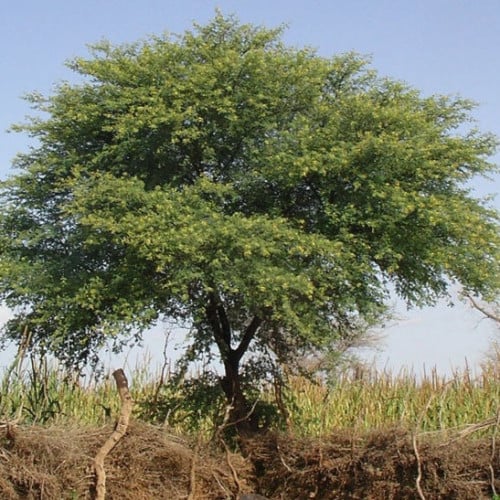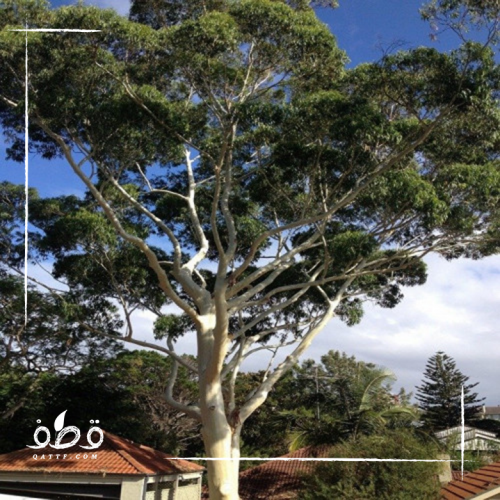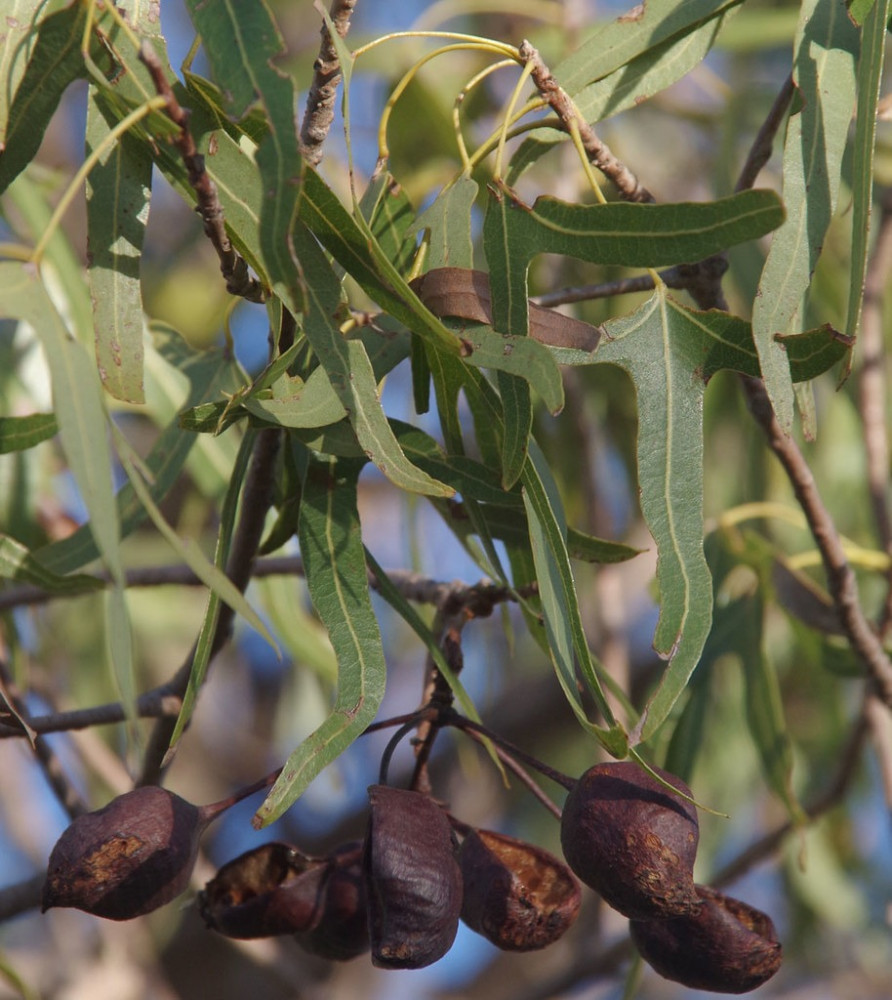
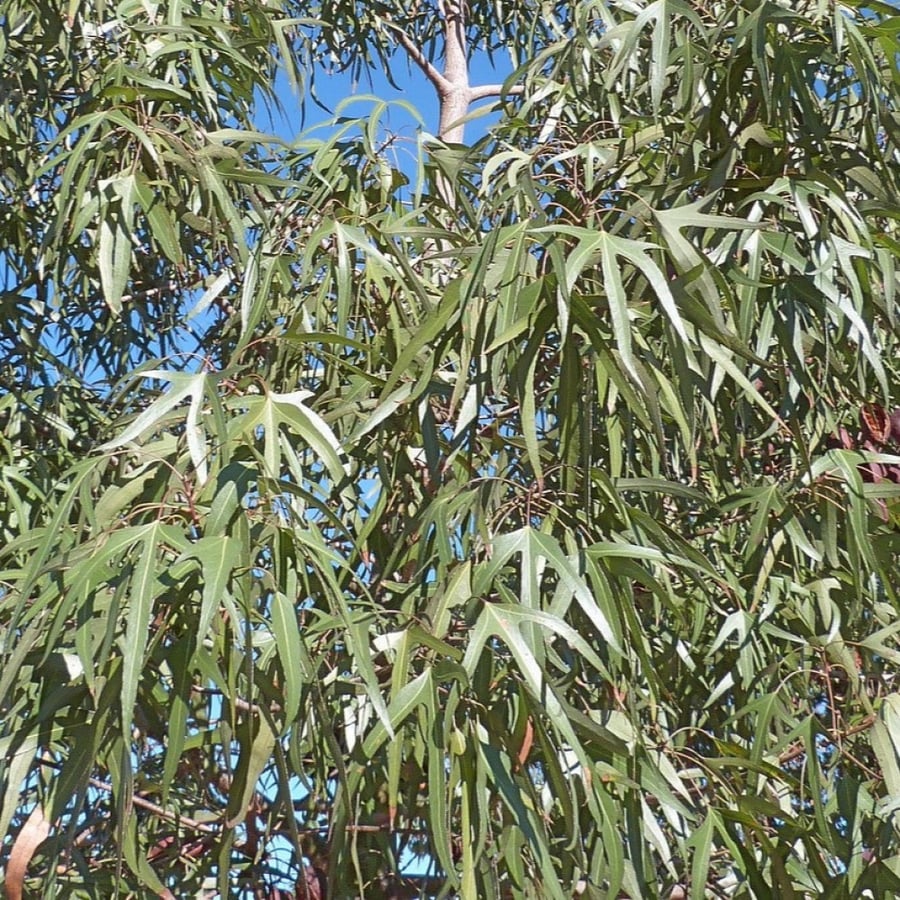

Sterculia tree seeds. Duck's leg
7ر.س
Product description
Strzelea tree, duck-legged man, an attractive evergreen tree, planted in gardens and parks, its leaves are densely lobed and beautiful, providing wide shade, with a sturdy trunk and yellow flowers, capable of tolerating dry and cold weather. Scientific name: Brachychiton Gregorii. Other names: Sahara Krajong. Family: Malvaceae. Native habitat: Australia continent.
Planting Strzelea tree, duck-legged man, and environmental conditions:
The Strzelea tree, duck-legged man, has a great ability to withstand dry weather conditions, and at the same time tolerates severe cold, so it is suitable for cultivation in desert areas, and can be planted at any time of the year outside these weather and climatic conditions inside greenhouses.
Seeds need to be soaked for 24 hours before planting.
Soil and fertilizer:
Strzelea tree, duck-legged man, can be cultivated in well-drained clay and sandy soils, preferably neutral moderate soil, fertilized twice a year in spring and winter.
Irrigation method:
Since the Strzelea tree, duck-legged man, tolerates drought, it does not require much watering, only during the initial germination stage, with consideration of weather conditions, soil humidity, and the plant's climate conditions.
Sun exposure:
It needs full sun exposure.
Propagation:
By seeds and cuttings.
Planting time:
Throughout the year.
Flowering time:
Blooms from October (10th month) to December (12th month).
Flowers and leaves:
The Strzelea tree, duck-legged man, bears yellow flowers decorated with red, shaped like bells. Its leaves are lobed into three or five parts, reaching up to 20 cm in length and 15 cm in width.
Height:
It can reach up to 12 meters.
Benefits of Strzelea tree, duck-legged man:
Planted for garden decoration and shading streets and parks.
The wood of the Strzelea tree, duck-legged man, is sponge-like, so it is used in some industries, such as making ropes and threads.

From Buraydah