


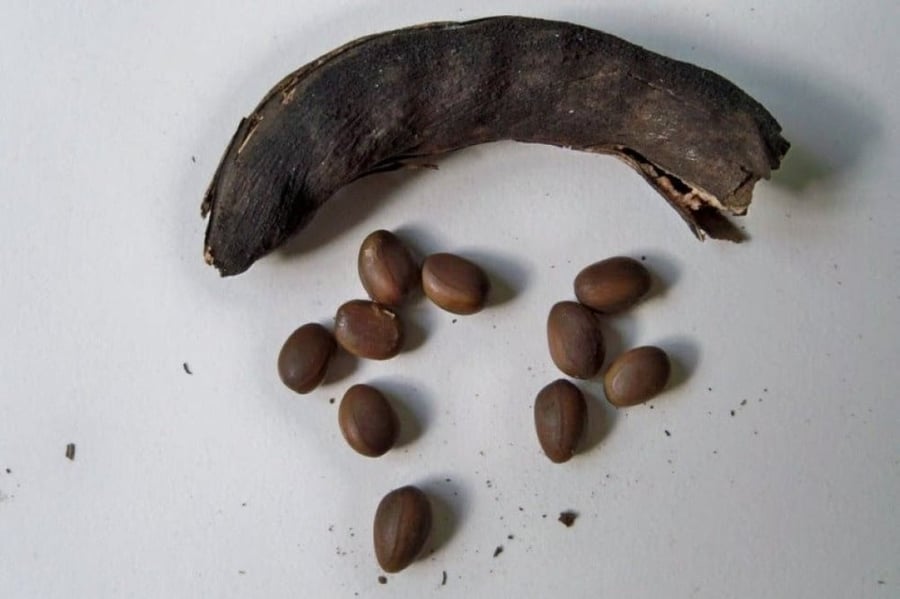
A sentence 500 seed of the tree of sedition Frenchiana
39ر.س
70ر.س-44%Product description
Acacia Al-Fitna Frenchiana, a fast-growing thorny tree that branches extensively, is one of the deciduous trees. It has a wide, low crown. The Al-Fitna tree is distinguished by many medicinal and food uses, and its flowers are considered among the best flowers for honey production and quality. Its fragrant flowers are also used to make the finest perfumes, and they bloom throughout the year. Scientific name: Acacia Farnesiana. Other names: Anbar Al-Talh, Sanat Al-Fitna, Kassi Flower, Mimos Douns, Al-Zahra Al-Esnfigiya, Sweet Acacia, Thorny Acacia. Family: Leguminosae. Native to: North America. Flowers: Spherical, very yellow, fragrant, aromatic, rich in nectar. Leaves: Green, arranged in a symmetrical manner, about 2 mm long. Height: Can reach up to 8 meters. Cultivation of Acacia Al-Fitna Frenchiana and environmental conditions: The Al-Fitna tree grows in moderate and hot areas, and is also resistant to cold and frost. It has a high ability to withstand drought and can be cultivated in any moderate climate conditions, such as greenhouses. Seeds are soaked in water for 24 hours before planting to facilitate and accelerate germination. Soil and fertilizer: Light loamy soil or any type of soil rich in complete nutrients is preferred for cultivation. The Al-Fitna tree has a great ability to tolerate soil acidity. Watering method: Watered moderately and regularly during the initial germination. Acacia Frenchiana is resistant to drought and can tolerate thirst when mature. Afterwards, watering depends on weather conditions, soil moisture, and the plant's climate. Sun exposure: Grown in sunny places. Propagation: By seeds. Planting time: During warm periods, and it can be planted year-round. It can also be cultivated inside greenhouses. Flowering time: Throughout the year, more abundant from autumn to spring. Benefits and uses of Acacia Al-Fitna Frenchiana: Its flowers produce aromatic oils used in perfume manufacturing. The bark and seeds produce black dyes. It is considered one of the best honey-producing trees, and honey fed on its nectar is among the finest types. It is planted for decoration and beautification of streets and parks.

From Buraydah
Questions you might have