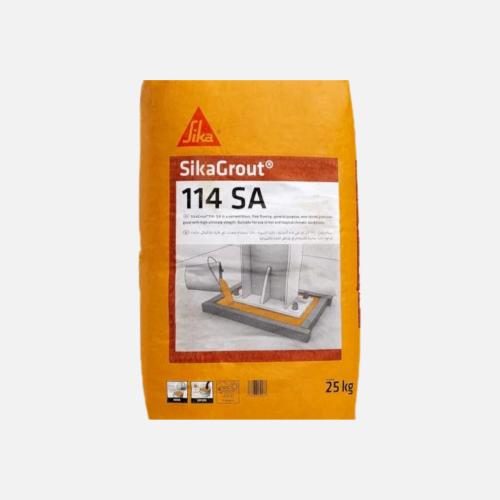
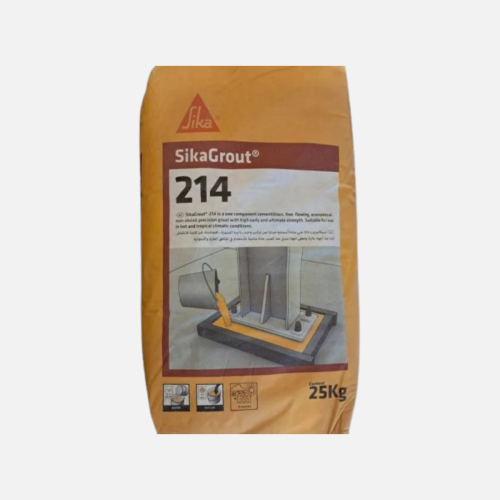
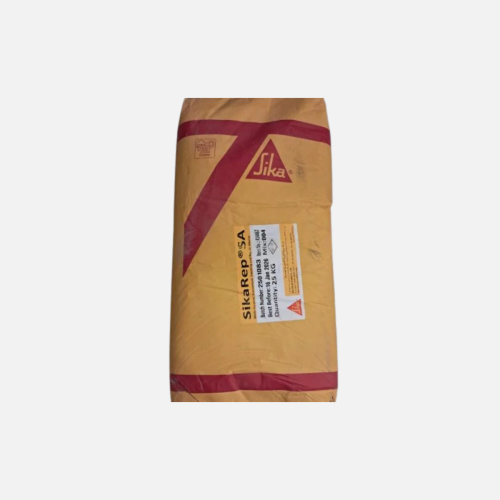
Fiberglass pipe welder
5ر.س
Product description
When facing water lines or sewage pipes in your project leaks or cracks, the real challenge is not only in detecting the problem but in finding a reliable technical solution that restores the system to work without the need for complete replacement. In the Saudi infrastructure sector, fiberglass pipes (GRP) represent an advanced technical option for liquid transfer, but they require specialized expertise during maintenance. Welding fiberglass pipes is not just a superficial repair process, but an engineering methodology that ensures the restoration of the mechanical strength and operational efficiency of the pipe. This guide provides a comprehensive technical overview of approved repair methods, materials used, and quality standards that must be met in any professional repair project.
What are GRP pipes and what distinguishes them in industrial applications
GRP (Glass Reinforced Plastic) or fiber-reinforced plastic is manufactured from multiple layers of fiberglass (Fiberglass) embedded within a resin matrix of polyester, epoxy, or vinyl ester. This layered structure gives the material unique properties that make it ideal for use in:
Potable water networks
Sewage and industrial systems
Chemical transfer lines
Agricultural irrigation networks
Cooling systems in industrial facilities
Technical advantages of GRP pipes
Fiberglass pipes outperform traditional alternatives in several aspects:
1- High chemical resistance: unaffected by acids, alkalis, or salts present in Saudi groundwater, making them an ideal choice for projects in coastal or industrial areas.
2- Lightweight: weighs about a quarter of steel pipes of the same diameter, facilitating transportation and installation, and reducing handling and logistics costs in large projects.
3- Extended operational lifespan: up to 50 years under ideal conditions, with minimal maintenance compared to iron, which requires periodic painting.
4- Hydraulic efficiency: the smooth internal surface reduces friction and maintains high flow rates even after years of operation.
5- Compatibility with Saudi climate: withstands high temperatures and seasonal fluctuations without significant expansion or contraction.
Why is welding fiberglass pipes necessary?
Despite the structural durability of GRP pipes, several factors may lead to the need for specialized repair processes:
Main causes of GRP pipe damage
1- Excessive mechanical stress: resulting from overpressure, external shocks during excavation, or improper backfilling that applies point loads to the pipe wall.
2- Delamination: occurs when internal fiberglass layers detach due to long-term moisture absorption or use of low-quality resins during manufacturing.
3- Longitudinal cracks: often caused by expansion and contraction of surrounding soil, especially in clayey or swelling soils.
4- Advanced chemical corrosion: although GRP resists well, some aggressive chemicals or prolonged exposure to extreme pH levels (pH < 2 or > 12) may weaken the resin.
5- Installation errors: excessive tightening on joints, misalignment of pipes, or use of incompatible bonding materials.
Cost of delays in repairs
Ignoring minor damages can lead to:
Water losses: leaks reaching 30-40% of flow rate in some cases
Increased energy costs: pumps work harder to compensate for pressure loss
Environmental damage: leakage of pollutants into soil or groundwater
Operational stoppages: halting production lines or services unexpectedly
Complete replacement: worsening damage may make welding fiberglass pipes insufficient, requiring full section replacement
Methods of welding GRP pipes: Approved technical methodologies
Choosing the correct repair method depends on several factors: type of damage, location, pipe diameter, operating pressure, and type of conveyed fluid.
First: Epoxy resin injection repair technique
Application: suitable for hairline cracks and small holes (< 10 mm)
Methodology: low-viscosity epoxy resin is injected under controlled pressure into the crack, allowing it to penetrate all fine voids and re-bond separated layers.
Materials used: two-component epoxy systems designed specifically for GRP, such as Sika products that feature:
- Sufficient working time (Pot life) for field application
- High adhesion strength with fiberglass
- Water and chemical resistance after full curing
- Low shrinkage to prevent secondary cracks
Limitations: not suitable for extensive damage or high-pressure areas.
Second: External lamination system (External Lamination System)
Application: ideal for moderate to large damages, longitudinal cracks, or wall-thickness loss.
Multi-stage methodology:
1. Surface preparation: scraping and cleaning the damaged area until reaching sound material, removing loose substances, and complete drying.
2. Primer layer: applying epoxy primer to improve bonding.
3. Layer building: applying successive layers of:
- Chopped Strand Mat fiberglass or woven fabric
- Polyester or vinyl ester resin (depending on the fluid type)
Each layer must be fully saturated to avoid air pockets.
4. Curing: allowing the system to cure based on ambient temperature (24-72 hours).
5. Protective coating: applying a UV-resistant topcoat.
Technical standards: the added layers should reach 80-120% of the original pipe wall thickness to ensure required strength.
Third: Mechanical and adhesive couplings
Application: connecting new pipe segments or repairing extensive damages requiring section cuts.
Types of couplings:
1. Adhesive couplings (Butt & Strap Joint): using epoxy resin with structural adhesive to join two opposite ends, then reinforcing the joint with fiberglass layers wrapped around the connection.
2. Mechanical couplings: metal or reinforced plastic rings with EPDM rubber seals, tightened with stainless steel bolts. Suitable for quick repairs or lines requiring future maintenance.
Selection criteria: depends on operating pressure, pipe diameter, and site accessibility.
Fourth: Internal patch technique
Application: repairing leaks in hard-to-access external areas or underground lines without excavation.
Methodology: inserting a flexible fiberglass patch from inside the pipe, placing it over the leak area, then securing it with pneumatic or mechanical pressure along with fast-curing epoxy resin.
Benefits: reduces excavation work, maintains service continuity with minimal downtime.
Welding and repairing fiberglass pipes steps
At Ibdā‘ Al-‘Imārān, we follow an organized methodology ensuring repair quality and longevity:
First stage: diagnosis and inspection
- Site visit: specialized technical team examines the location
- Damage assessment: cracks, holes, delamination, or leaks
- Dimension measurement: pipe diameter, length of damaged section, wall thickness
- Pressure evaluation: actual and maximum operating pressure
- Fluid analysis: type, pH level, temperature
Second stage: selecting the appropriate system based on diagnosis
Based on the assessment, determine:
- Resin type (epoxy, vinyl ester, polyester)
- Required reinforcement thickness
- Number of layers
- Type of fiberglass (mat, woven fabric, or a combination)
- Specific Sika products for application
Third stage: field implementation
- Precise preparation: stopping fluid flow, draining the line
- Deep cleaning with industrial solvents
- Mechanical surface scraping (120-180 Grit)
- Moisture removal with industrial dryers if needed
- Application of primer coat
- Building reinforcement layers one by one
- Using special rollers to remove air bubbles
- Monitoring curing time between layers
- Controlled curing: maintaining a stable temperature (20-30°C ideal)
- Protecting work from moisture and dust
- Allowing full curing time before testing
Fourth stage: testing and documentation
- Hydraulic pressure test: filling the line with water under 1.5 times the operating pressure for 2-4 hours, monitoring for any drop.
- Precise visual inspection: ensuring no bubbles, cracks, or saturated areas.
- Documenting the process: detailed technical report, photos before and after repair, warranty certificate according to the system used, future maintenance recommendations.
Initial inspection fees
We offer a comprehensive technical inspection for 5 SAR (non-refundable), after which a detailed quotation is provided based on scope of work and materials required. Final payment is made after agreeing on the plan and setting the schedule.
Comparison of GRP pipe repair methods: choose the suitable solution
1 - Epoxy injection repair
Suitable for: hairline cracks, small holes
Implementation time: 4–8 hours
Relative cost: low
Mechanical strength: moderate
Application: relatively simple
Expected lifespan: 5–10 years
Shutdown requirement: short
2 - Layered reinforcement system
Suitable for: moderate to large damages
Implementation time: 24–72 hours
Relative cost: medium–high
Mechanical strength: very high
Application: requires specialized expertise
Expected lifespan: 15–25 years
Shutdown requirement: relatively long
3 - Mechanical couplings
Suitable for: full section replacement
Implementation time: 2–4 hours
Relative cost: moderate
Mechanical strength: high
Application: moderate
Expected lifespan: 10–20 years
Shutdown requirement: moderate
Why are Sika systems the standard in GRP repair?
Sika, the Swiss company, has been a global leader in construction chemistry since 1910, providing specialized solutions for repairing composite pipes:
Technical advantages of Sika products in Saudi Arabia
1. Comprehensive chemical compatibility: Sika resins are tested for use with drinking water, sewage, and industrial chemicals, and hold international health certifications.
2. High mechanical strength: tensile strength up to 25-35 MPa, ensuring repairs do not become weak points.
3. Temperature resistance: withstands from -40°C to +80°C without losing properties.
4. Long-term stability: does not degrade under UV exposure, humidity, or climate fluctuations.
5. Easy application: clear mixing ratios, sufficient working time, compatibility with standard equipment.
Certifications and standards
Sika products used in fiberglass pipe welding meet:
- ASTM American standards for resins
- BS British standards for composite materials
- SASO Saudi standards for water-contact materials
- ISO 9001 quality management certificates
Ibdā‘ Al-‘Imārān: Your trusted partner in GRP solutions
Ibdā‘ Al-‘Imārān is an authorized distributor of Sika products for insulation and construction in Saudi Arabia, offering added value beyond just supplying materials:
What sets us apart
- Extensive field experience: technical teams have worked on infrastructure projects across various regions of the Kingdom, from Riyadh to Jizan.
- Guaranteed authenticity: all Sika products we use are 100% genuine, with traceability codes available for verification.
- Specialized technical support: not just implementation but engineering consultations to choose the best solution for each case.
- Compliance with local standards: adhering to Civil Defense, Ministry of Environment, and Saudi Standards Authority requirements.
- Transparency and documentation: detailed reports, clear warranty certificates, and post-repair follow-up.
In addition to welding fiberglass pipes, we also provide:
- Periodic non-destructive testing (NDT) of GRP lines
- Preventive maintenance programs for industrial facilities
- Supply and installation of new GRP piping systems
- Technical consultations for infrastructure projects
Cost estimation for welding and maintaining fiberglass pipes in 2026
Prices vary based on several variables, but this table provides an estimated framework for each service:
1 - Repair of small cracks (< 50 mm)
Factors affecting: pipe diameter, crack depth
Estimated price range: medium
2 - External layered reinforcement
Factors affecting: damage area, number of layers, resin type
Estimated price range: medium–high
3 - Wide delamination repair
Factors affecting: wall thickness, length of section
Estimated price range: high
4 - New mechanical couplings
Factors affecting: pipe diameter, type of coupling
Estimated price range: based on size
5 - Comprehensive inspection and diagnosis
Factors affecting: system complexity, number of damage points
Estimated price: 5 SAR (non-refundable)
Important notes:
- Prices include materials, labor, and initial tests
- Costs may increase in remote sites or those requiring special preparations
- Large projects (> 100 meters) receive preferential prices
- Final offers are provided after detailed technical inspection
Common mistakes that cause GRP welding failures
Avoiding these errors saves costs of rework:
1. Using incompatible materials
Error: using regular epoxy not designed for fiberglass or expired resins.
Result: poor adhesion, secondary cracks after weeks, failure under pressure.
Solution: use products specifically for GRP, verify expiration dates.
2. Insufficient surface preparation
Error: not thoroughly scraping the surface, leaving moisture or oils, or skipping primer.
Result: new layers do not adhere strongly, delaminate over time.
Solution: deep mechanical cleaning, complete drying, always use primer.
3. Building layers with insufficient thickness
Error: applying only one or two layers thinking that’s enough.
Result: repair cannot withstand operational pressure, fails quickly.
Solution: calculate required thickness based on pipe diameter and pressure, usually at least 3-5 layers.
4. Ignoring pressure testing after repair
Error: restarting the line immediately without testing.
Result: leaks detected during operation, causing additional damage.
Solution: mandatory hydraulic testing at 1.5x operating pressure before handover.
5. Relying on non-specialized companies
Error: contracting a general contractor without GRP expertise.
Result: using incorrect techniques, poor materials, misunderstanding fiberglass properties.
Solution: hire a specialized company like Ibdā‘ Al-‘Imārān with proven experience and approved materials.
Preventive maintenance tips to extend GRP pipe life
Prevention is always less costly than treatment, and these practices reduce the likelihood of needing fiberglass pipe welding:
1. Routine inspection program
Quarterly visual inspections: for exposed pipes, look for color changes, surface cracks, or signs of leaks.
Annual pressure tests: for critical GRP lines, test at 25% above operating pressure to detect weaknesses early.
Ultrasound testing (every 3-5 years): NDT technique detects internal delamination before it appears on the surface.
2. Adjust operating conditions
Avoid hydraulic shocks: use pressure relief valves and avoid sudden closing/opening of valves.
Monitor pH: for chemical lines, maintain pH between 4-11 to protect the resin.
Protect from external loads: ensure proper backfilling and insulate buried pipes from sharp rocks.
3. Documentation and records
Keep:
- Accurate maps of pipe routes
- Records of installation and repairs
- Original material specifications
- Periodic pressure readings
This data is invaluable when planning future maintenance or repairs.
Case Study: Repair of an industrial GRP line in Riyadh
A chemical plant in the industrial area of Riyadh faced a leak in a 600 mm diameter GRP line transporting sodium chloride solution at 15% concentration.
Operating pressure: 8 bar.
Longitudinal cracks appeared over 1.2 meters due to mechanical stress from improper backfilling.
After inspection by Ibdā‘ Al-‘Imārān, a layered reinforcement system was chosen:
- Sika vinyl ester resin (chloride resistant)
- 5 layers of fiberglass with a total thickness of 8 mm
- UV-resistant protective coating
Results and duration:
- Duration: 48 hours (including curing)
- Pressure test: successful at 12 bar (1.5x operating pressure)
- Duration so far: 6 years without issues
- Cost savings: 60% compared to full section replacement
Choosing the right resin (vinyl ester instead of regular epoxy) was crucial due to high salinity. The sufficient thickness also ensured long-term operational pressure withstandance.
Quality standards in selecting a GRP welding contractor
When searching for a company to perform fiberglass pipe welding, verify:
- Technical qualifications
- Documented experience: previous projects with similar diameter and pressure
- Certifications: training on specific products (e.g., Sika)
- Equipment: availability of scraping tools, resin mixers, pressure testing devices
- Material authenticity: using genuine resins or counterfeit?
- Chemical compatibility: are materials suitable for your fluid type?
- Compliance certificates: meet SASO or international standards?
- Transparency and documentation: do they provide detailed reports after work?
- Warranties: clear and written, not just verbal promises
- Pricing: transparent without hidden costs
- After-sales service
Follow-up: do they return for inspections weeks later?
- Response speed: quick to address urgent issues
- Consulting: do they offer preventive maintenance advice?
Ibdā‘ Al-‘Imārān meets all these standards as an authorized distributor of Sika with extensive field experience.
Latest innovations in GRP repair techniques
The sector continuously evolves with improvements:
1 - Nanostructured bio-resins: new products contain nano-sized particles that fill microscopic cracks, enhancing adhesion and preventing future crack propagation.
2 - Pressure repair systems: new techniques allow fixing limited leaks without shutting down the line, saving production losses.
3 - Drone inspections: for long lines or hard-to-reach areas, drones equipped with thermal cameras detect leaks and hot spots.
4 - Smart resins: some contain color indicators that change upon material degradation, enabling preventive maintenance before total failure.
Frequently Asked Questions about fiberglass pipe welding
What is the difference between GRP pipes and PVC pipes?
GRP pipes are made of fiberglass and resin, stronger and more resistant to pressure and chemicals than PVC plastic. GRP is used in heavy industrial applications and high-pressure lines, while PVC is more common in light residential uses. Regarding repairs, fiberglass pipe welding requires special resins and reinforcement layers, whereas PVC can be welded thermally or glued simply.
Can a fully cracked GRP pipe be repaired?
It depends on the extent of damage. Partial cracks and longitudinal fissures can be repaired with layered reinforcement systems. But if the pipe is shattered or has lost more than 50% of wall thickness over a large area, full section replacement may be more effective and safe. Accurate technical assessment is essential for the right decision.
How long does it take to repair fiberglass pipes?
Duration varies depending on the type of repair. Simple injection repairs may take 4-6 hours (including preparation and initial curing). Larger layered reinforcements may require 24-72 hours to ensure full resin curing before restarting. The key factor is ambient temperature; higher temperatures within the safe range (20-30°C) speed up curing.
Does fiberglass repair last like the original pipe?
With professional implementation using approved materials like Sika systems, repairs can last 15-25 years or more. The key is following the correct technical protocol: excellent surface preparation, sufficient layers, chemically compatible resin, and complete curing before operation. Sometimes, the repair area becomes stronger than the original pipe due to additional layers.
What are signs of urgent repair needs for GRP pipes?
Look for indicators such as: sudden drop in water pressure, wet spots around buried pipes, clear leakage sounds, color change on the pipe exterior, or unusual chemical odors. In industrial systems, increased pump consumption or irregular flow meter readings may also signal issues. Any of these signs warrants immediate technical inspection before problems worsen.
Is there a warranty on fiberglass welding work?
Yes, at Ibdā‘ Al-‘Imārān, we provide a technical warranty depending on the system used and scope of work. Repairs with complete Sika systems typically come with a warranty ranging from 12 to 36 months, depending on operating conditions. The warranty covers leak-proof integrity and layer adhesion, provided the system operates within designed limits and no external mechanical damage occurs. Details are specified in the technical report after inspection.
Summary: Investing in proper repair saves thousands of riyals
Welding fiberglass pipes is not a temporary or superficial solution but an integrated engineering methodology that restores GRP systems efficiently and safely for years to come. The difference between a successful repair lasting decades and a failure requiring rework after months lies in three factors:
- Material quality: using certified resins like Sika
- Technical expertise: a team understanding fiberglass chemistry and stress mechanics
- Protocol adherence: avoiding rushing or skipping preparation and curing steps
When facing a challenge in GRP lines, do not gamble on cheap solutions that may cost you double later. Choose a trusted partner combining field experience and genuine materials.
Contact Ibdā‘ Al-‘Imārān today and book a technical inspection (only 5 SAR — non-refundable) to get an accurate diagnosis and detailed repair plan with a documented warranty up to 10 years and a comprehensive technical report.
Whether managing a government infrastructure project, an industrial facility, or a residential complex, our fiberglass pipe welding solutions are designed to meet the highest standards of quality and durability.
Don’t wait until leaks worsen — contact us now and get a professional solution that protects your investment.

From Medina