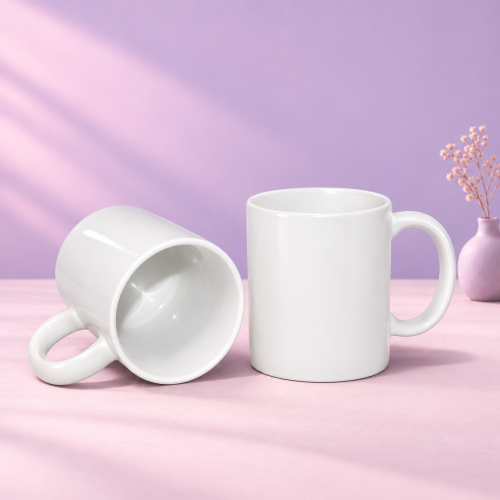
White water paper for inkjet printers
10ر.س
Out of Stock
Product description
Components: one white paper with a protective sheet, white water paper used with dark colors, and the white background must be cut.
Requirements: any regular inkjet printer (inkjet).
Heat sealing device.
Regular or electronic scissors, considered the best choice for craftsmen and hobbyists who seek to create stunning, professional-quality stickers without the need for additional varnish.
This water paper is ideal for any personal or commercial project, and can be used on ceramics, glass, metals, plastics, coffee cups, water bottles, containers, dishes, vases, candles, nails, soap, phone covers, toys, keychains, helmets, etc.
We only need you to try until you get the best results.
Steps:
Step 1: Use an inkjet printer and select high-quality photo paper for printing, with the glossy side as the printing side.
Step 2: Use a hairdryer to dry the ink or let it dry naturally.
Step 3: Separate the protective layer, place it on the printed sheet, then put it in the sealing device (sealing temperature 140/150°C).
Step 4: Remove the protective layer after it comes out of the sealing device.
Step 5: Cut the design manually or with electronic scissors.
Step 6: Place the sheet in water for 30-60 seconds to separate the paper.
Step 7: Slowly pull the base paper to fix the design onto the surface.
Step 8: Remove moisture and bubbles between the design and the surface.
Step 9: Place the design in the oven (150-160°C for 15 minutes).
Warning: Be careful not to put plastic or flammable materials inside the heat oven.
Notes:
Each surface and quantity has a specific temperature; the surface and time must be tested.
You can also use a heat dryer (hairdryer) with plastic, but avoid long use of the heat dryer.
Incorrect use may cause yellowing around the paper, which can be solved by adding a little water inside the cup or reducing oven time.
If you find that the product can be scratched after cooling, return it to the oven again.
When using the product on transparent surfaces, you will notice paper marks on the transparent parts, unlike white surfaces where no marks will be visible.
White water paper is used with dark surfaces, and excess white background must be cut off.

From Tarout
Questions you might have