

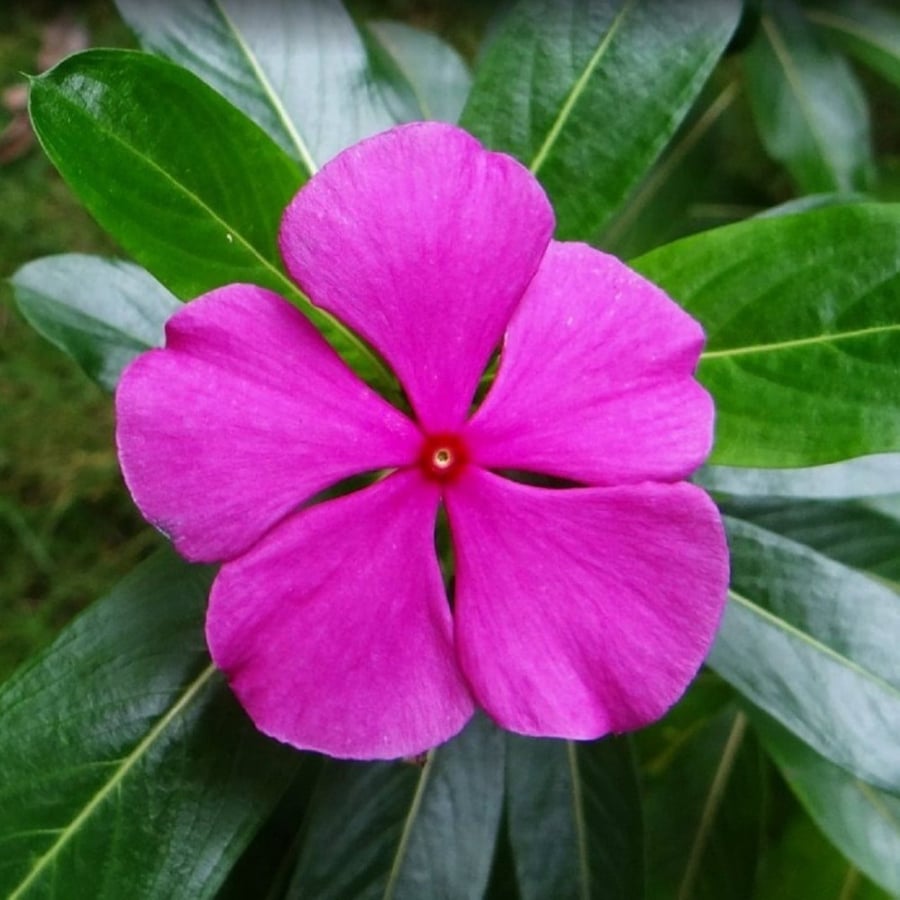
Pink Bacta flower seeds - local (Catharanthus roseus)
38ر.س
Product description
Number 5000 seeds
Common name: Vinca flower - Pink periwinkle
Scientific name: Catharanthus roseus
Also known as: Alonka - Bright eyes - Pink sea snail
Vinca or periwinkle is considered one of the strongest outdoor resistant plants, belonging to the Apocynaceae family, and therefore it is toxic. It is evergreen and lives for years. Its branched stems reach up to 80 cm in height. Its leaves are thick, green, and oval-shaped. It is considered an easy-to-propagate plant and resistant to insects. Its cultivation has succeeded in the central region of Saudi Arabia, where it spreads densely in gardens because it tolerates hot and dry weather.
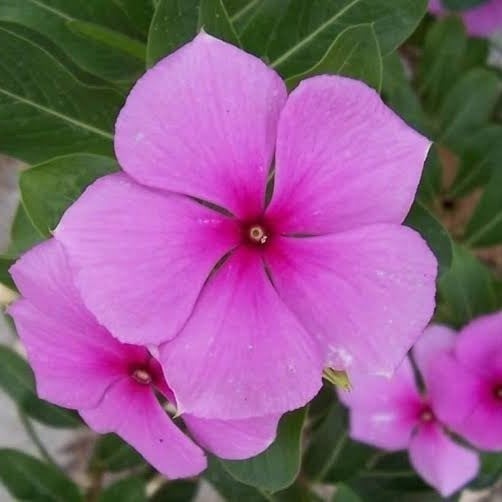
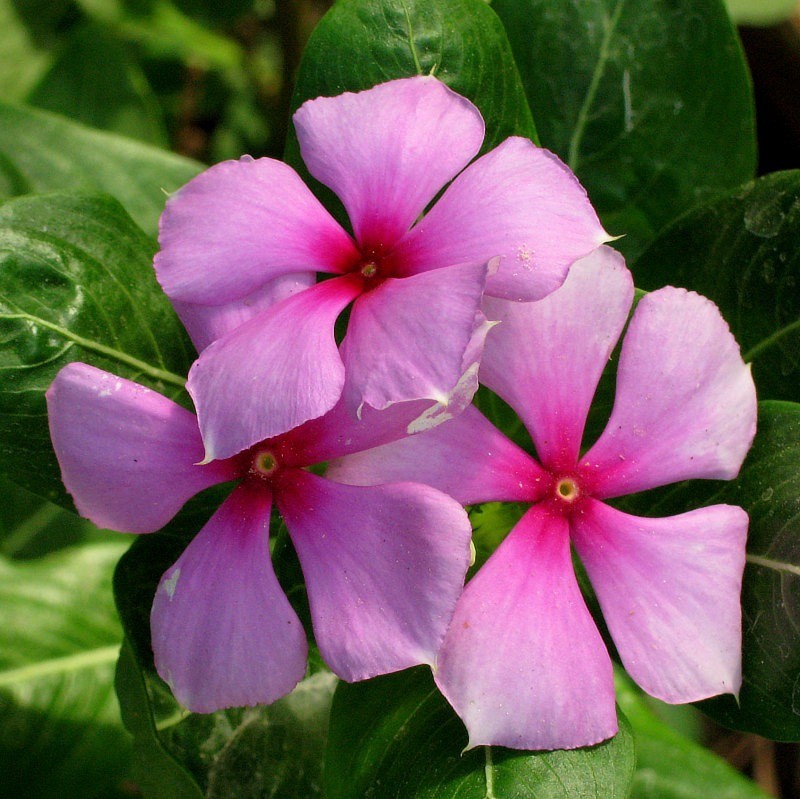
Vinca flower or local periwinkle: The flowers have five star-shaped, flat petals in pink color, arranged in opposite pairs, with a size between 2.5 cm and 3.5 cm. It blooms most days of the year.
Vinca seeds or local periwinkle: The seeds are inside small pods about 3 cm in size, and are small, black, oval-shaped.
Germination season: In spring and late winter, and it can also be cultivated year-round in agricultural protected areas and enclosed or plastic places where temperature can be controlled and sunlight reaches, or where the plant receives adequate lighting.
Suitable climate and soil for cultivating Vinca or local periwinkle: The periwinkle plant is resistant to frost and extreme heat. It prefers sunny locations, tolerates moderate salinity and drought. It does not require much watering except during the intense summer days when it needs daily irrigation. It grows in most types of soil.
Method of cultivating Vinca or local periwinkle: It propagates easily through seeds at a depth of 1 cm from the soil surface. It can be fertilized with organic fertilizer at least once during flowering. It does not require much care.
Its benefits and uses: It is used to beautify gardens and decorate empty spaces in agricultural beds, and it also has some medicinal uses.
Original habitat: Its native homeland is Brazil, Madagascar, Southeast Asia, from where it spread to many regions around the world.

From Buraydah