

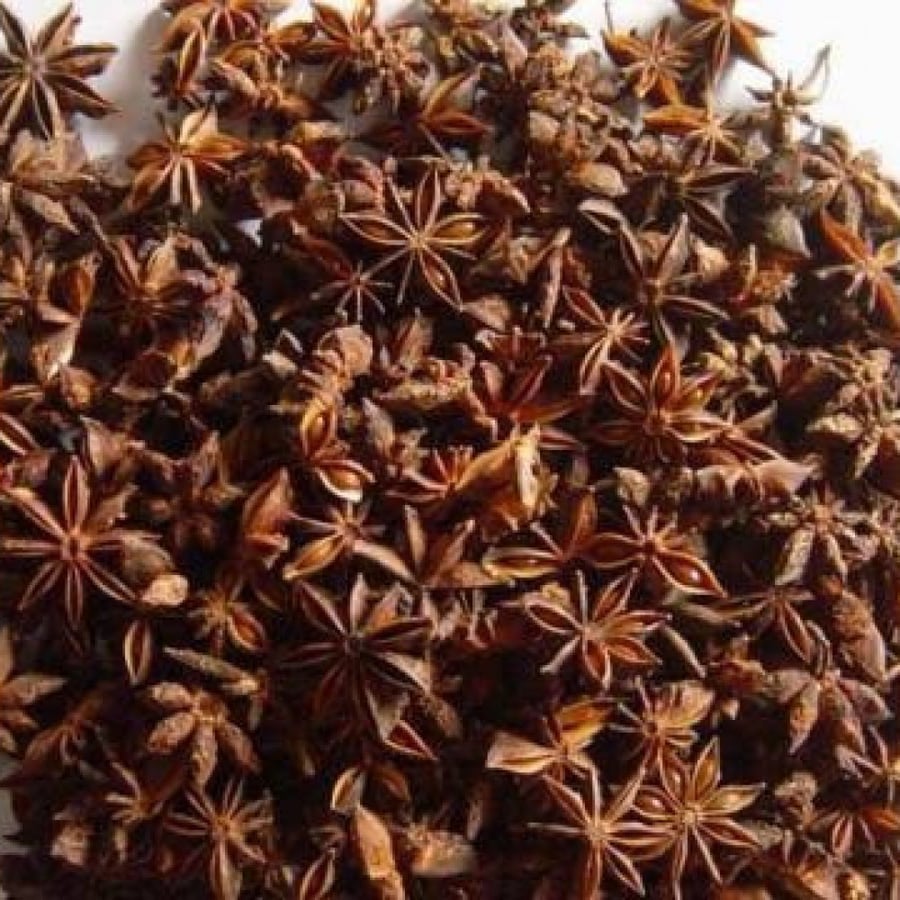

Anise plant seeds
5ر.س
Product description
Common name: Anise
Scientific name: Pimpinella anisum
Other names: Yenkon - Sweet cumin - Sweet seed
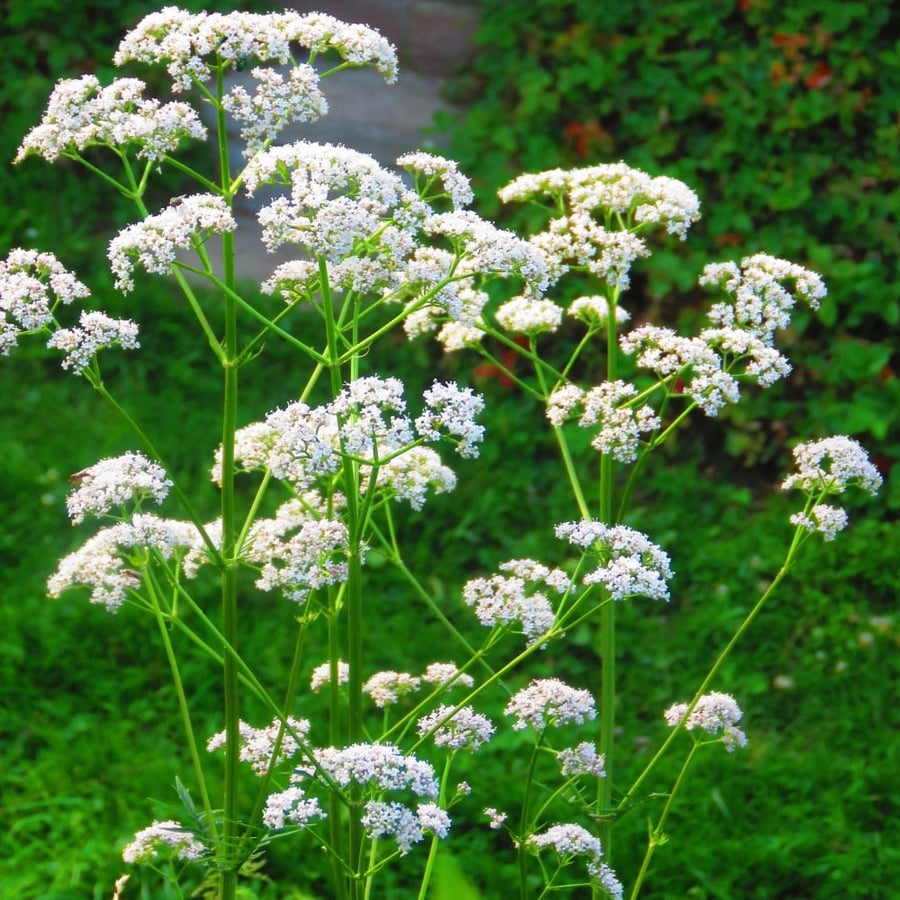
Anise is an herbaceous plant from the Apiaceae family, reaching a height of about half a meter. Its stem is thin, ridged, and from it extend long branches bearing rounded, toothed leaves. The ends of the branches carry flowers. The plant is annual, meaning it lives for one year.
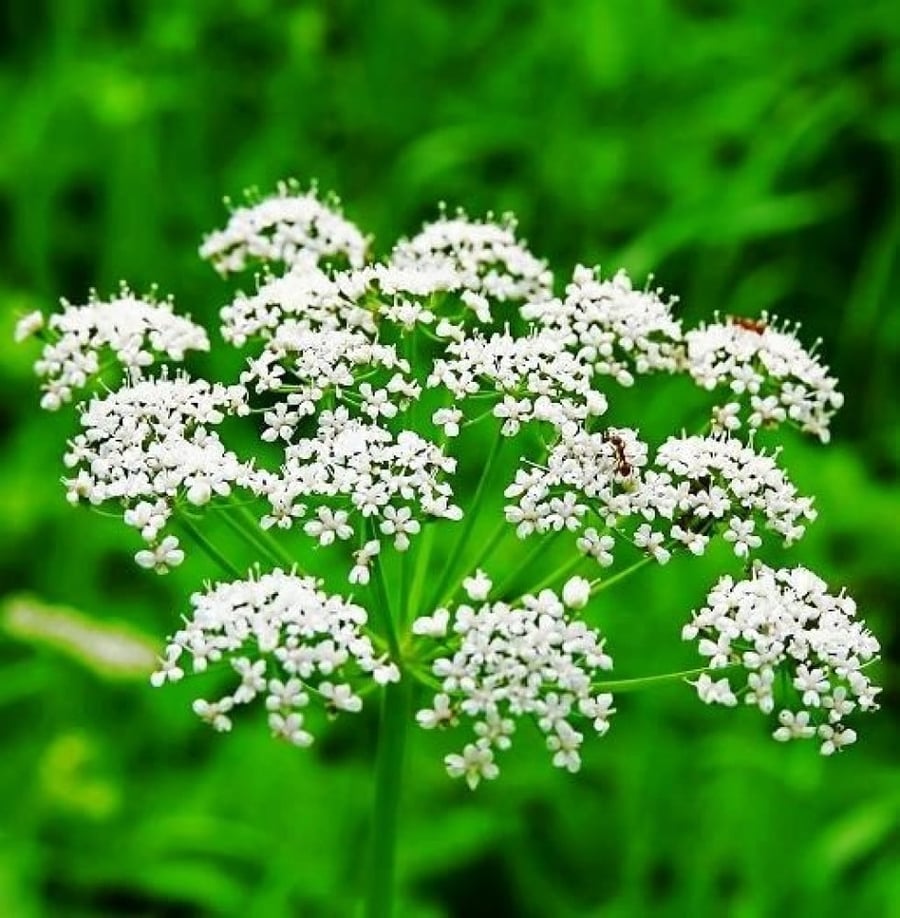
• Anise flower: Its small, oval-shaped, compressed-head flowers are white and bloom in spring.
• Anise seeds: Small, brown in color.
• Anise planting season: Anise is cultivated from seeds in October and November, and it can also be grown year-round in agricultural shelters and enclosed or plastic places where temperature can be controlled, with access to sunlight or adequate lighting for the plant.
• Suitable climate and soil for anise: It is suitable for yellow, well-drained, fertile or moderately fertile soil. It also needs a moderate, cool climate and cannot tolerate high temperatures or drought. It is watered regularly.
• How to cultivate anise: It reproduces through seeds planted at a depth of 1 cm from the soil surface. It can also be fertilized with organic fertilizer at least once to accelerate its growth and development.
• Benefits and uses: Anise fruits are boiled as an antispasmodic and gas-relieving remedy. Anise oil is used in cough and expectorant formulations due to its properties as an expectorant or mucus expellant. It is also added to many medicines to improve their taste and aroma. Anise fruits contain essential oil, which exceeds 4%, and contain 20% protein, 30% fats, and 27% carbohydrates. The oil contains anethole, which is beneficial for cough.
• Native habitat of the anise plant: Its native region is the Mediterranean Basin.

From Buraydah