Haloxylon ammodendron seeds
24ر.س
Out of Stock
Product description
Number 1000 - 5000
Common name: Gheda
Scientific name: Haloxylon ammodendron
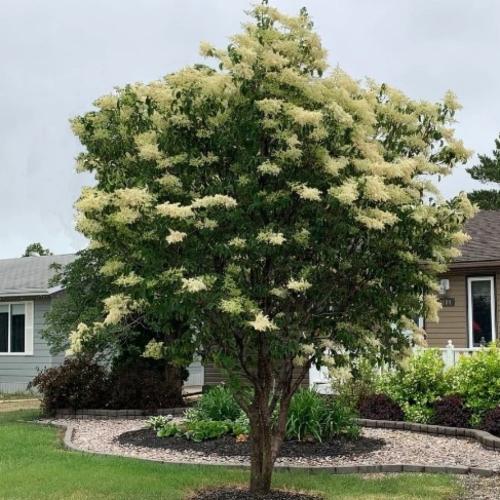
Gheda is a small perennial tree belonging to the Chenopodiaceae family, reaching a height of 1 to 4 meters, with a thick woody base, deep roots, and a straight trunk, with small thin branches. The leaves of the Gheda tree are usually not visible, and the trunk appears bare and cylindrical.
• Flower of the Gheda shrub: Its small yellow flowers have no scent and bloom in summer.
• Seeds of the Gheda shrub: They are small, winged, and round flat in shape.
• Gheda shrub germination season: It is planted in spring, but can also be cultivated throughout the year in agricultural reserves, enclosed or plastic places where temperature can be controlled, and where sunlight or adequate lighting for the plant is available.
• Suitable climate and soil for the Gheda shrub: Gheda lives in stable and moving sandy soils and dunes in dry deserts with annual rainfall less than 50 mm. This plant prefers sandy soil generally, and Gheda is characterized by its tolerance to different soil pH levels. It also tolerates salinity and drought well, with long, strong roots extending tens of meters to reach water.
• Method of cultivating the Gheda shrub: It propagates through seeds planted at a depth of 0.4 cm from the soil surface.
• Its benefits and uses: Gheda is used in many countries for rangeland rehabilitation and planting along desert roadsides. It is also used in furniture, paper, and dye production. Gheda wood is the main source of firewood and fuel in environments where it is widespread.
• Native habitat of the Gheda shrub: Gheda is considered one of the most famous desert plants. It has been well known historically and recently in the deserts of the Kingdom, the Arabian Gulf countries, the Levant, Iraq, and others.

From Buraydah
Questions you might have