

Seeds of the Kapok tree
7ر.س
Product description
Common name: Kapok
Scientific name: Ceiba pentandra
Among its names: Silky cotton tree - Lobonash
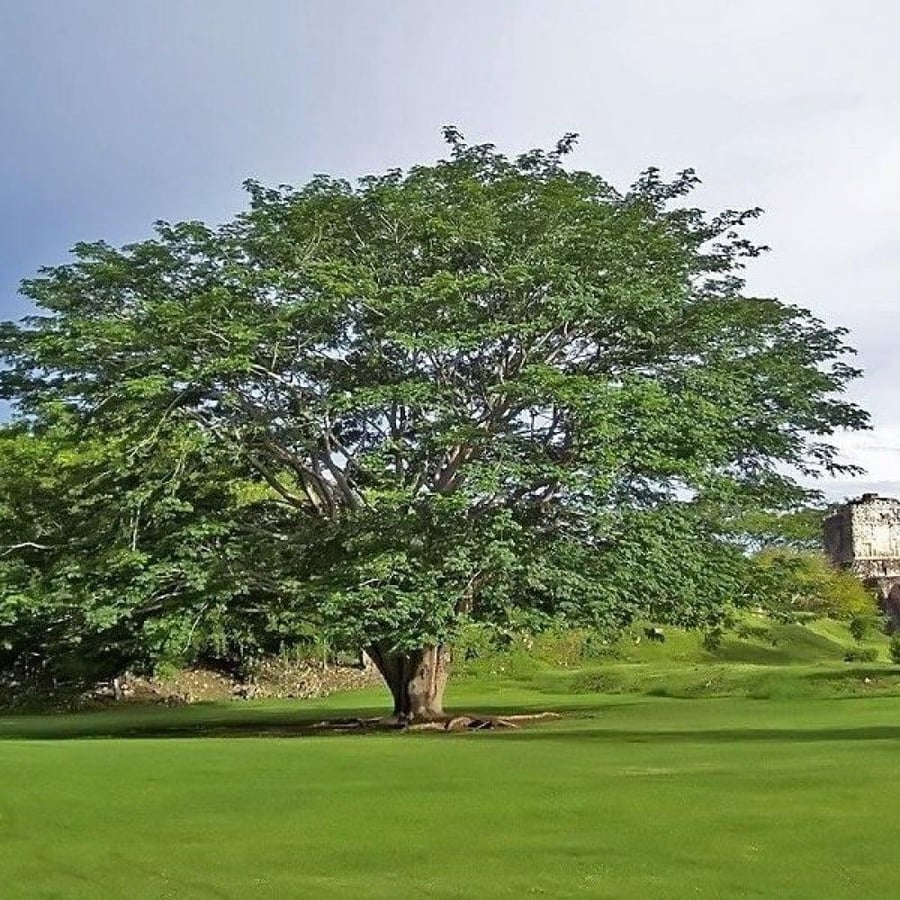
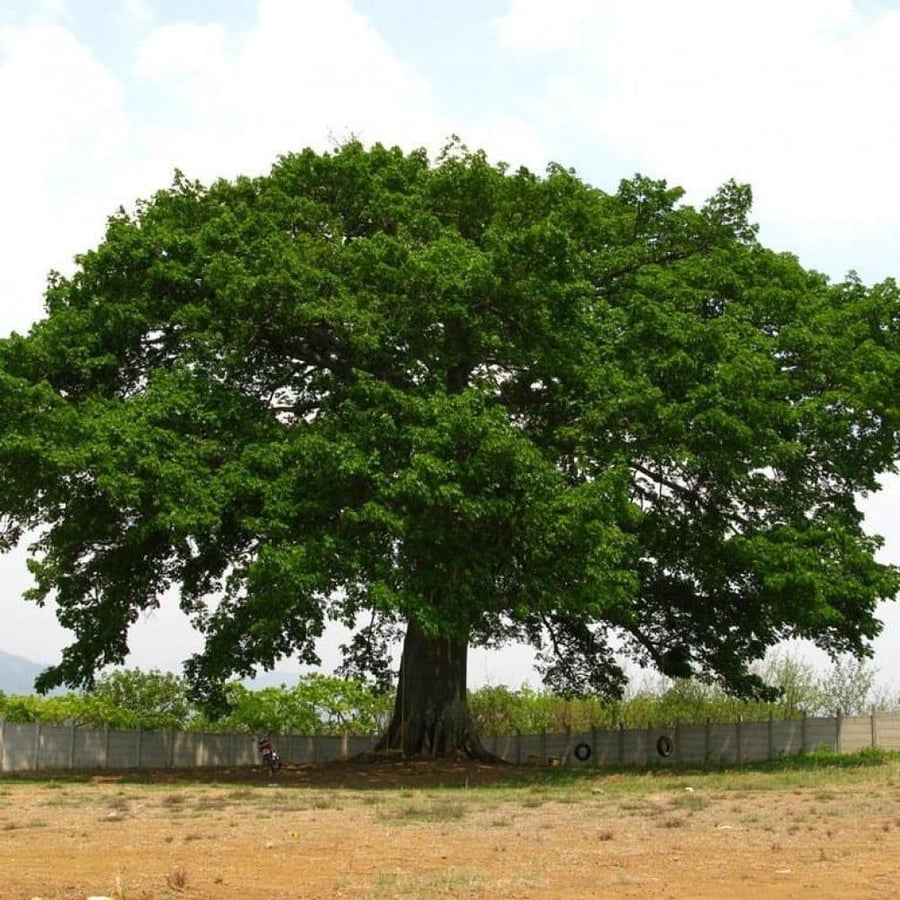
The Kapok tree is a tropical perennial tree, fast-growing, reaching a height of 40 meters or more, deciduous, and considered one of the tallest trees in the world. It has a light gray vertical trunk covered with sharp conical thorns.
Flower of the Kapok tree:
The bisexual flowers are 4 cm long, creamy white in color, and have a milky scent. The flowers bloom at night, containing five petals on the outside. A few flowers open on a specific branch each night during the two or three weeks the tree blooms. It does not bloom every year, and some may remain 5 to 10 years without flowering.
Fruit and seeds of the Kapok tree:
The fruits are large, soft, composed of an outer skin and rectangular capsules up to 15 cm long, tapered at both ends. The color changes from green to brown to black when ripe, then splits from the base to the top into five sections. It releases smooth seeds of dark brown color, embedded in a mass of light hair.
Kapok tree germination season:
The best time to plant seeds is March and April. They can also be planted throughout the year in agricultural reserves, enclosed or plastic places where temperature can be controlled, sunlight reaches the plants, or where adequate lighting is available.
Suitable climate and soil for the Kapok tree:
The Kapok needs full direct sunlight. It is planted in fine sandy soil, preferably moist, deep, and fertile. It is heavily fertilized, tolerates drought and frost, and is watered regularly.
Method of planting the Kapok tree:
Seeds are placed in a small pot with moist, fertile soil, and water is added periodically. The pot is kept in a sunny place until the seeds grow, then continuous fertilization is needed if deficiencies occur.
Its benefits and uses:
Kapok trees are ornamental and shade trees. Seeds produce oil used in soap making. The fruits produce cotton, which is considered one of the best types of cotton for mattresses and pillows, and it is also used in the medical field.
Original habitat of the Kapok tree:
Its native region is Asia and Africa. It is cultivated in Saudi Arabia and many Arab countries.

From Buraydah