Product description
Number 500 Seeds
Common name: Salt Acacia
Scientific name: Acacia ampliceps
Other names: Salt Thorn
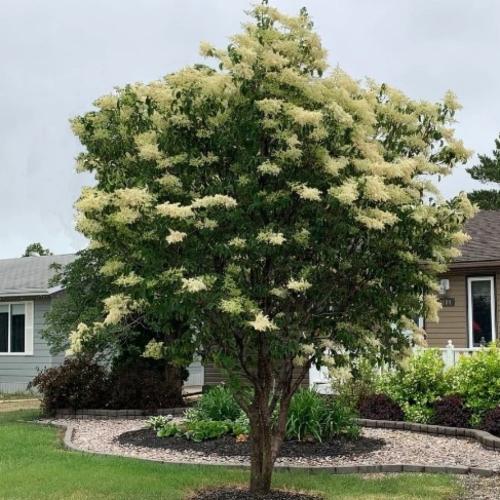
A fast-growing tree belonging to the Acacia genus, considered a fast-growing and reproducing evergreen tree. It is a smooth, dense tree with drooping branches, reaching a height of up to 10 meters, and extending horizontally with a diameter of up to 7 meters. It is also a tree that does not require much care.
• Salt Acacia flowers: The flowers appear in vertical clusters, white to creamy in color, spherical in shape, 10 cm in size, blooming from February to December.
• Salt Acacia fruit and seeds: Its fruit is a pod, 12 cm in size, containing seeds inside.
• Salt Acacia germination season: Planted in spring, but can be cultivated year-round in agricultural reserves and enclosed or plastic places where temperature can be controlled or where there is sufficient light for the plant.
• Suitable climate and soil for Salt Acacia: It tolerates drought periods that may last up to 9 months and grows in salty and alkaline soils, tolerating severe salinity. It also withstands high temperatures and extreme cold.
• How to cultivate Salt Acacia: Reproduces by seeds, which are soaked in water for a full day before planting. Seeds are planted at a depth of 1 cm to 3 cm. It is fertilized with organic fertilizer at least once.
• Its benefits and uses: It has multiple medicinal uses and is considered one of the best shade trees due to its horizontal spread, providing a large shaded area. This plant is used as a break or windbreak fence in sandy areas because of its dense leaves and horizontal growth pattern. Salt Acacia was mentioned in some statistics as one of the best tree types used for this purpose. The Salt Thorn tree is also one of the best trees that play a significant role in soil reclamation. Some plant specialists indicate that branches, twigs, leaves, and flowers of the Salt Thorn can be used as fodder for livestock.
• Native habitat of Salt Acacia: Its original habitat is Australia, and it is widely cultivated in Saudi Arabia and Gulf countries.

From Buraydah