
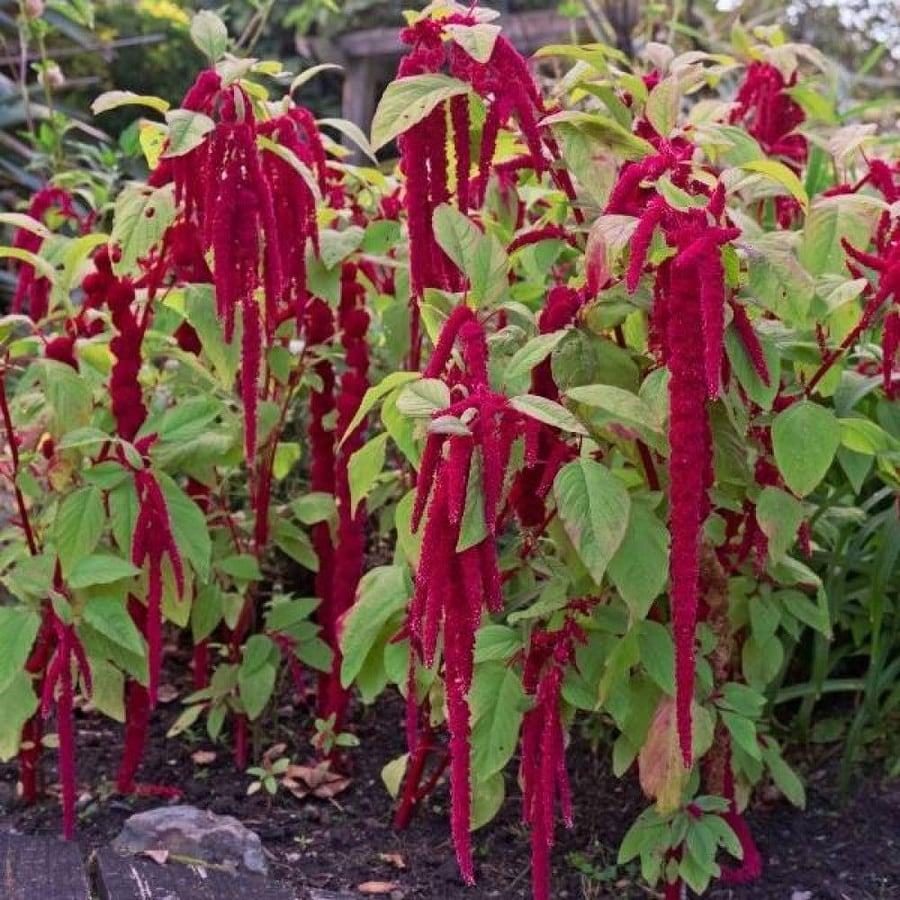


Velvet flower seeds
6ر.س
Product description
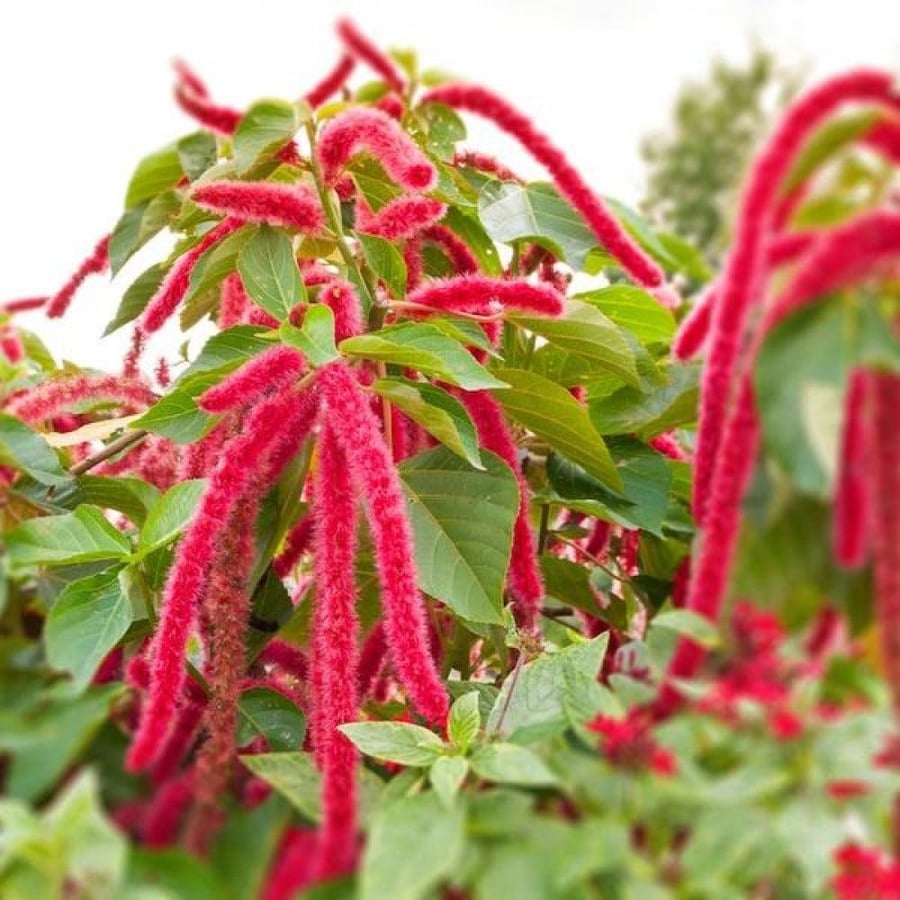
Common name: Caudate Velvet Flower - Velvety Flower
Scientific name: Amaranthus caudatus
Also known as: Dripping Love - Necklace Amaranth - Love Dies Bleeding - Fox Tail Amaranth - Tailed Amaranth
The Amaranth "Amaranth" genus contains many species, some similar and some different. Some are cultivated for decoration, like the Caudate Velvet Flower, while others are grown for grain production, such as the purple Amaranth "Amaranthus Cruentus." There are also harmful and invasive species, like the Yemeni Amaranth "Amaranthus Blitum."
The Caudate Velvet Flower is an annual summer flowering plant that reaches about two meters in height. It has large oval leaves up to 20 cm long. It is considered one of the most famous ornamental plants grown in most parts of the world for the beauty of its flowers and rapid growth.
• Caudate Velvet Flower - Velvety Flower: Its flowers are a deep red color due to the high percentage of betacyanin pigment in the flowers, which hang in attractive clusters up to 30 cm long, bending downward like a tail, hence its name as Caudate and Tailed.
• Seeds of the Caudate Velvet Flower - Velvety Flower: Its seeds are very small, oval-shaped, shiny black, and some are dark gray.
• Growing season: It can be cultivated indoors at the beginning of spring and outdoors after the end of frost. It can also be grown in temperate areas year-round.
• Suitable climate and soil for cultivating the Caudate Velvet Flower - Velvety Flower: It needs exposure to light and sunlight for several hours daily to grow and bloom well. It prefers a moderate and warm tropical environment and tolerates moderate temperatures. It grows well in well-drained clay and sandy soils. It does not tolerate frost and requires continuous watering until the plant buds appear, then watering is gradually reduced as it is drought-resistant.
• How to cultivate the Caudate Velvet Flower - Velvety Flower: It propagates through seeds planted at a depth of no more than 1 cm from the soil surface. It can also be fertilized with organic fertilizer at least once during flowering to accelerate growth and development.
• Its benefits and uses: Used for decoration and beautifying gardens, and considered a popular ornamental plant worldwide.
• Native habitat: The Andes Mountains in South America.

From Buraydah