
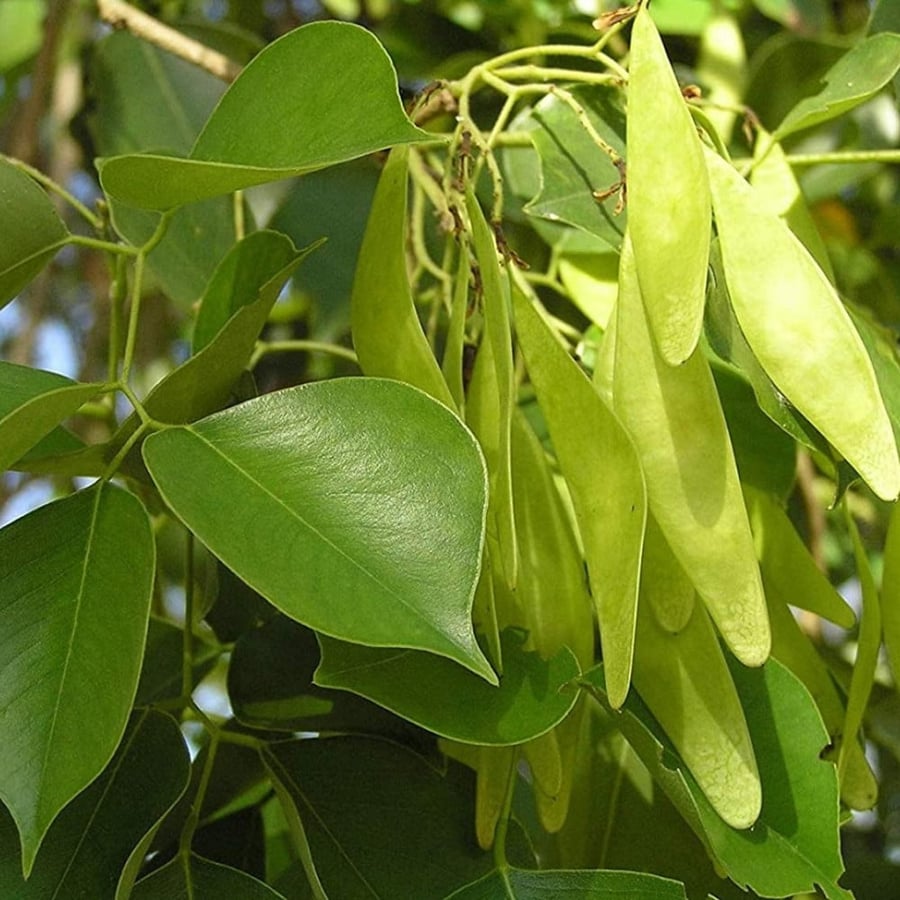

Seeds of the Sersou tree
7ر.س
Product description
The Sersoua is a type of perennial tree, and the wood of the Sersoua is considered one of the most expensive woods. From it, an oil called "Rosewood oil" is extracted, which is used in the manufacture of some types of perfumes, with high economic value, as its wood is used in many industries. The tree is planted along roadsides, along canals, as a shade tree for tea farms, and it mainly grows along riverbanks at elevations below 900 meters (3000 feet), but it can naturally reach up to 1300 meters (4300 feet).
Scientific name: Dalbergia sissoo
Named after: a Swedish doctor and botanist named Nils Dalberg.
Other names: called Sissam, Sisso, Sasm, Sarroun.
Family: Fabaceae or Leguminosae.
Original habitat: the Indian subcontinent such as India, Pakistan, Nepal, Western Asia, Oman, Iraq, and Iran.
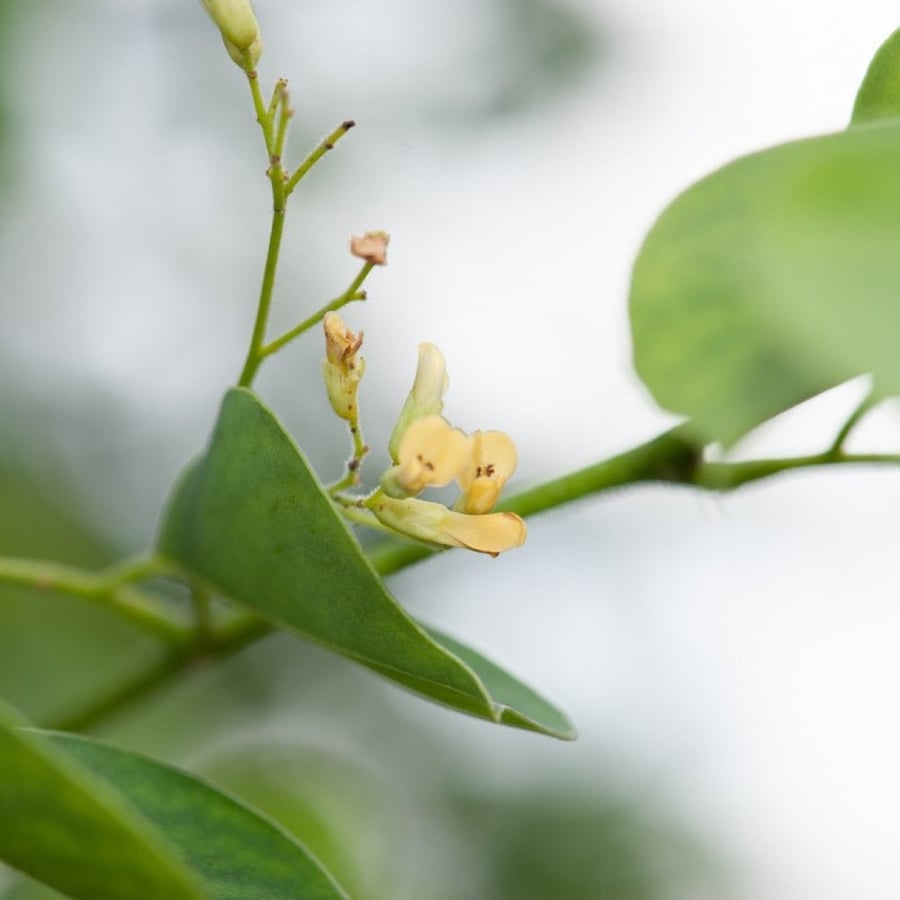
Flowers: their flowering period ranges from white to pink, reaching up to 2 cm, with a fragrant scent.
Leaves: characterized by a smooth, leathery texture, with each leaf reaching up to 15 cm in length.
Height: up to 25 meters.
Reproduction: by seeds as well as through cuttings.
Sersoua cultivation and environmental conditions:
Seeds are soaked in warm water for no more than 48 hours, in suitable soil with regular watering. Reproduction usually occurs through seeds, which remain viable for only a few months. Germination of 60% - 80% can be expected within 1-3 weeks.
It is a fast-growing tree, sprouting in spring, and is an excellent shade tree. It can withstand high hot temperatures up to 47 degrees Celsius.
Light exposure: requires at least direct or partial sunlight.
Preferred soil for planting: capable of growing in fertile sandy soil and can also grow in poor soil.
Planting season: February and March.
Flowering season: spring.
Benefits of the Sersoua tree:
An economically important tree due to its high value, as the high-quality wood extracted from it has a significant commercial value in the international market. The wood is used in shipbuilding, boat construction, various household furniture, antiques, and even in construction. Besides its value, it is also considered a great fodder for livestock.
It is beneficial for many organic and skin diseases:
Its leaves are boiled to treat indigestion and heartburn, acne, and the effects of aging such as wrinkles.
It helps eliminate dark spots on the face and unify skin tone.
The leaves are mixed with honey to treat eye diseases such as conjunctivitis.

From Buraydah