

Rare dried tree seeds
9ر.س
Product description
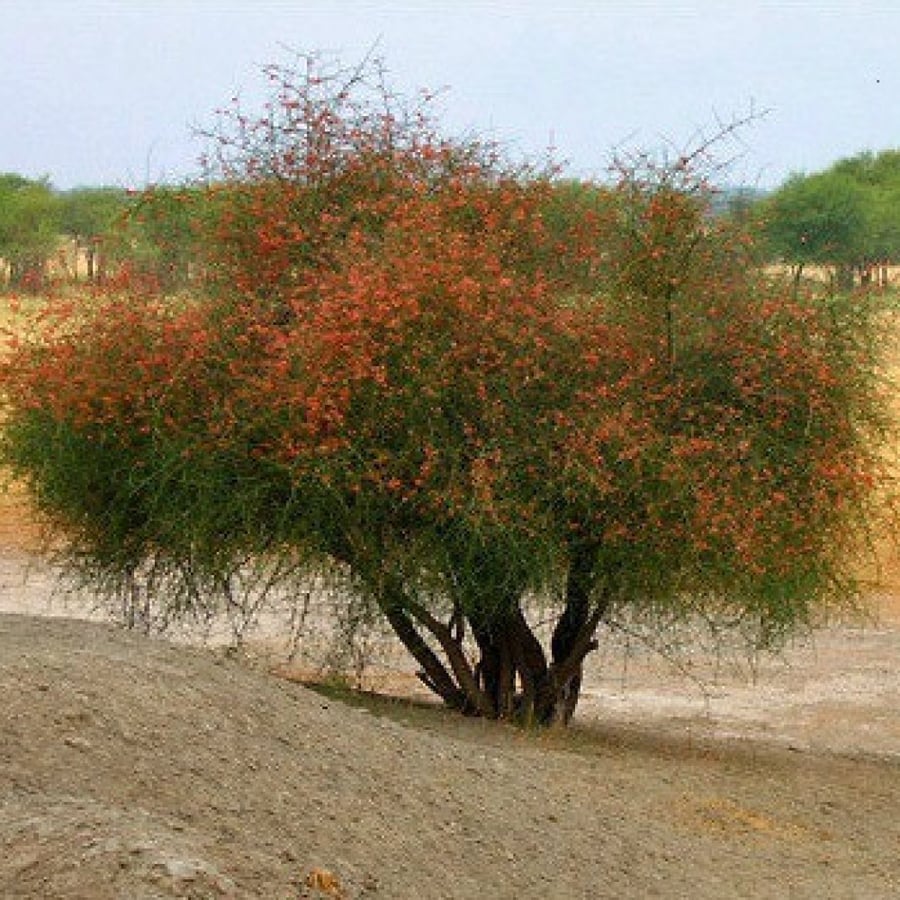
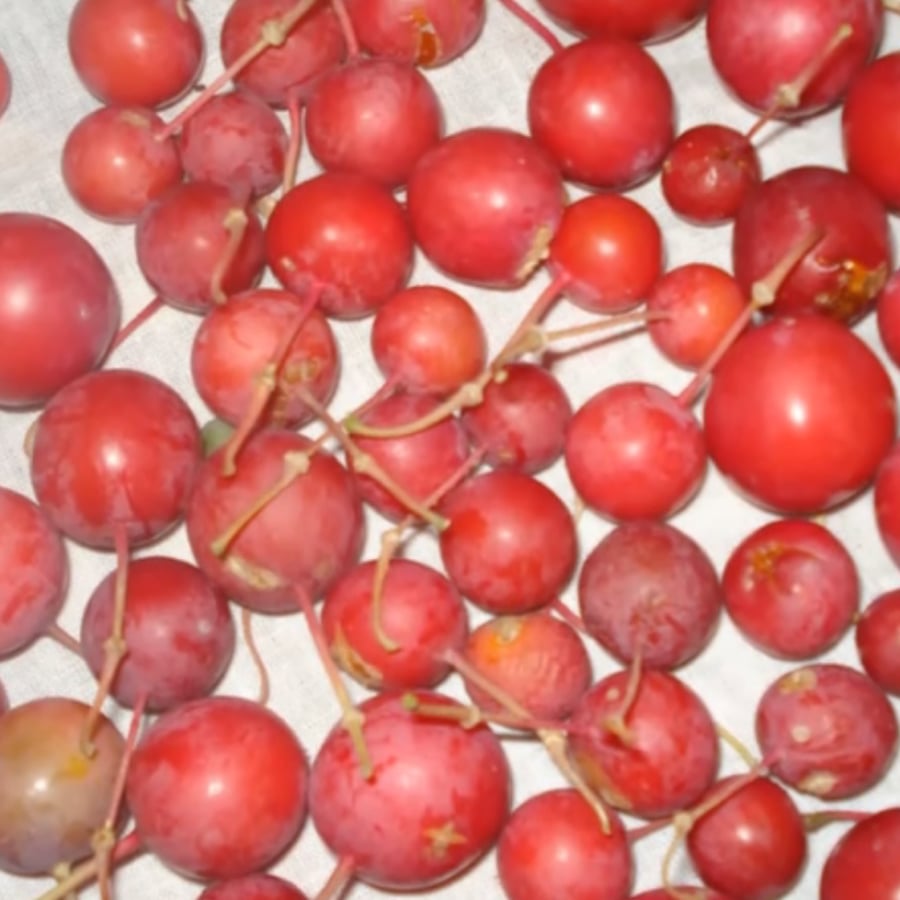
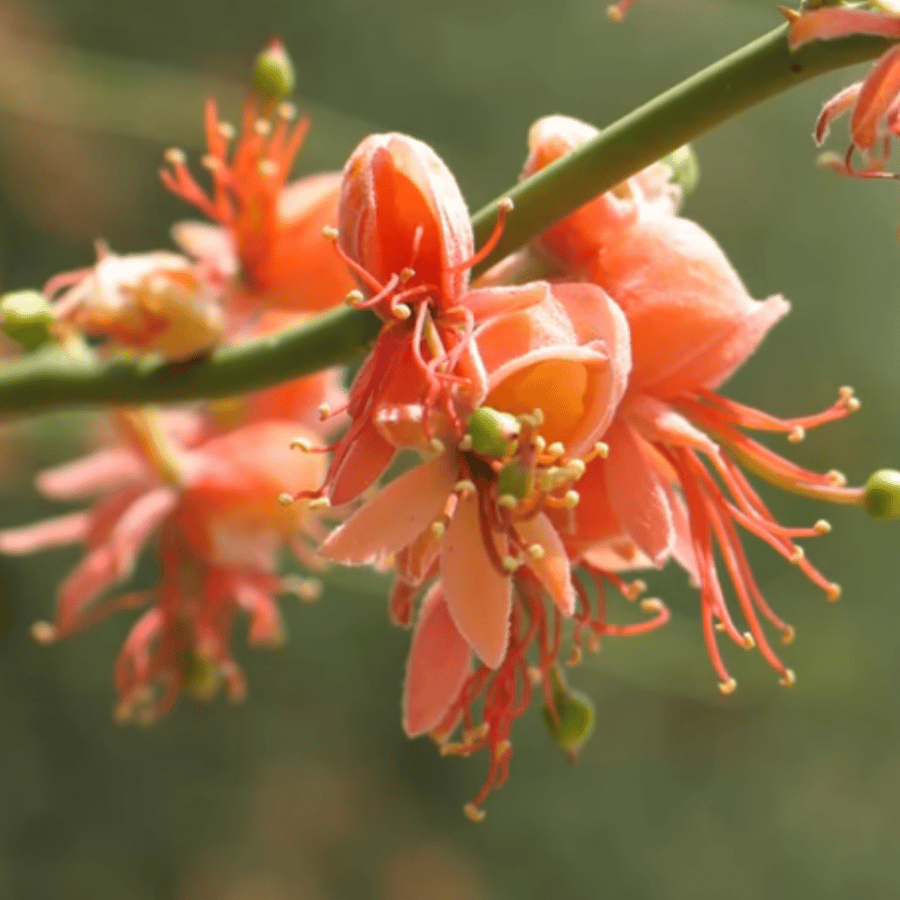
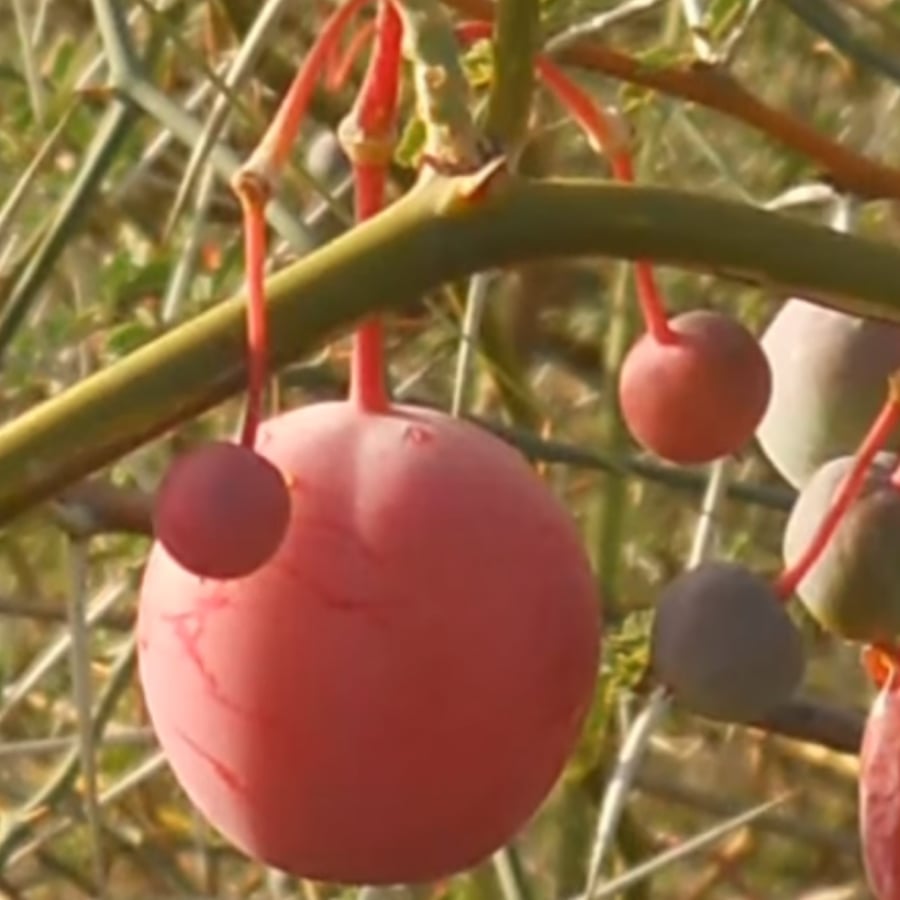
The desert tree is one of the rare trees with abundant shade, perennial, thorny, and honey-producing, with its roots extending into the ground and able to withstand dry weather and frost. It has stems that branch near the surface of the earth, and its fruits are sweet-tasting, attracting bees due to the abundance of nectar in its flowers. Scientific name: Capparis Decidua. Other names: Alstad, Al-sous, Qibar Nafdiy. Family: Capparaceae. Native habitat: African deserts, Saudi plains, and South Asia. Cultivation of the desert tree and environmental conditions: It has the ability to withstand dry weather and climatic conditions, and it can tolerate low temperatures. Soil and fertilizer: It is planted in well-drained soil and fertilized with PNK fertilizer during spring and winter. Watering method: Watered daily during the initial germination stage, considering weather conditions, soil moisture, and the plant's climate. Sun exposure: Full sun. Propagation: By seeds. Planting time: From September until spring, and it can be planted at any time of the year outside these conditions and climatic circumstances inside greenhouses. Flowering time: In spring. Harvesting time: In May and October. Fruits: Called Hangaa, also known as Masees, are green, round, and turn red when ripe. They are sweet and eaten by humans and birds, ripening in May and October. Leaves: Small, reaching up to 4mm in length, and are deciduous. Height: Can reach up to 5 meters. Benefits of the desert tree: It has a sweet-tasting red fruit. The desert tree is planted in public places and roadsides. Some parts of the tree are used in traditional medicine. It is planted as a barrier against dust and wind in fields and farms.

From Buraydah