

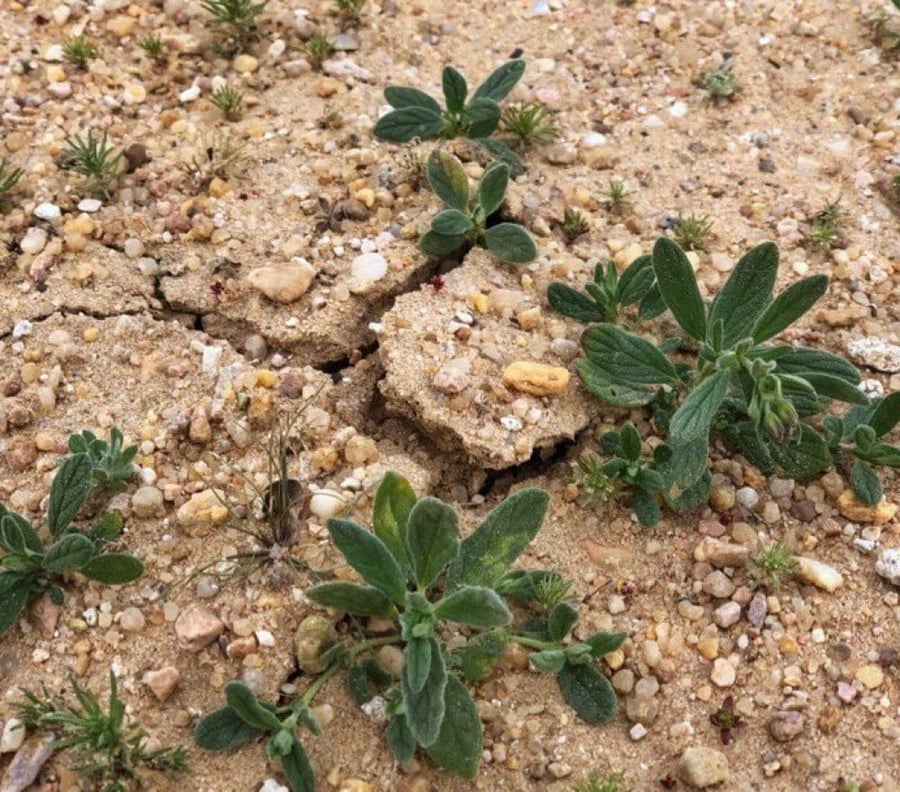

Nutritional Raqraq seeds for truffle or desert truffle mushroom
5ر.س
Product description
The herb Al-Ruqruq is considered one of the perennials, and it is a small shrub distinguished by its fragrant flowers and leaves, and the beneficial relationship between it and the truffle (Fagaa). Wherever Al-Ruqruq is found, the truffle is also present, because the truffle does not produce its own food; it derives nourishment from the roots. Similar to the herb Al-Arqa, it is also a plant of the truffle and its host. Scientific name: Helianthemum. Other names: Rock Rose, Truffle Herb, Sunflower, Heshima, Qasees. Family: Cistaceae. Native habitat: Al-Ruqruq is widespread in the Syrian Desert and the Arabian Peninsula, as it is considered its original habitat.
Cultivation of Al-Ruqruq and environmental conditions:
It requires moderate to cold weather for cultivation. Since the seeds of Al-Ruqruq are very delicate, it is best to mix them with fine soil, then place them in trays, and spray with water whenever needed. It can also be planted directly in its permanent location.
Soil and fertilizer: It needs sandy, stony, and fine clay soil with good drainage.
Irrigation: Water regularly every day until it sprouts, then reduce watering.
Sun exposure: Needs full sun exposure.
Propagation: By seeds.
Planting season: From September (9th month) to March (3rd month).
Blooming season: From March to April.
Flowers and leaves: Its small yellow flowers and opposite, dark green, curled leaves.
Fruits: Each fruit carries more than 100 brown seeds, shaped like small clusters covered with light fuzz.
Height: From 10 to 45 cm.
Benefits of Al-Ruqruq:
Al-Ruqruq is considered one of the best grazing plants.
It is extracted for natural substances that treat inflammations and relieve some pains.
It contains beneficial elements for treating certain eye diseases.

From Buraydah