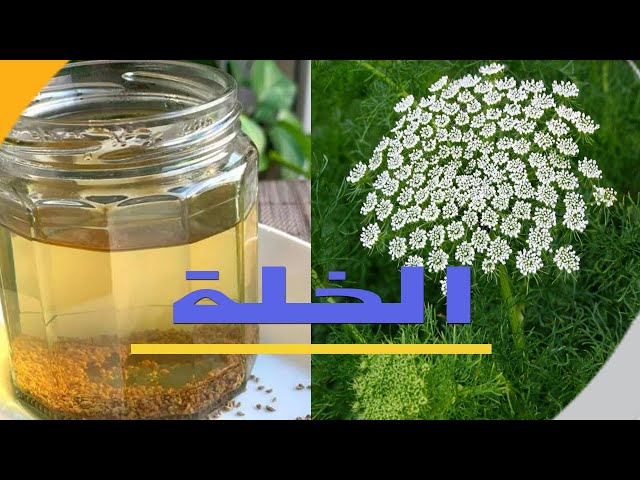


Seeds of the local soapwort herb
7ر.س
Product description
The herb of Kholah is a short annual, and it is one of the beneficial medicinal herbs that bloom, with white flowers that have a fragrant scent. It grows vertically with a straight, lush stem that is dense. It is easy to cultivate anywhere, and it has the ability to adapt to salinity and resist drought. Scientific name: Ammi visnaga. Other names: Al-Akhla, Khala, Khakil, Kalla, Kalla, Shala, Habashi Cumin, Prophet's Miswak. Family: Apiaceae. Native origin: Asia, Europe, and North Africa. Flowers: White, shaped like composite cylinders containing small seeds inside. Fruits: Small, odorless, with a bitter taste. Leaves: Green, fan-shaped, divided into three or two parts, branching into straight stems. Height: Up to one meter. Planting time: February, March, April, and October, September, and it can be cultivated at any time of the year outside these weather conditions in greenhouses. Harvest time: From June to September AD. Benefits and uses of Kholah: It has many medical and health benefits for the human body from ancient times until today. It is used as an antidote for stomach cramps and menstrual pain, and it lowers blood pressure. Topically used for vitiligo, hair loss, and wound healing. Not recommended during pregnancy and breastfeeding, and for those with liver diseases. Many medical benefits can be found on specialized websites. Cultivation of Kholah and environmental conditions: It grows quickly and does not require much care, and it grows wild in neglected lands. Soil and fertilizer: Tolerant of any type of soil. Watering method: Needs plenty of water, considering the weather conditions, soil humidity, and climate conditions of the plant. Sun exposure: Sunny location. Propagation: By seeds.

From Buraydah