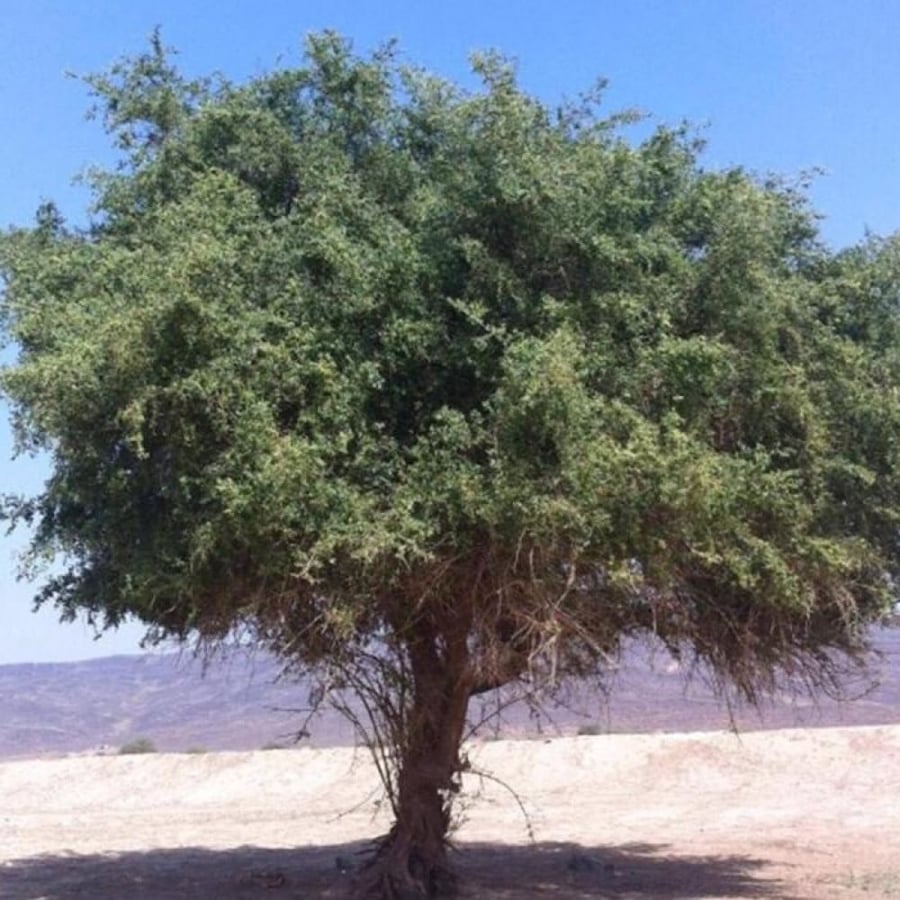

Wild Moroccan Sidr seeds
8ر.س
Out of Stock
Product description
Moroccan wild sidr is a type of shrub and is one of the trees loved by beekeepers, as its flowers are abundant in nectar and attractive to bees. It has smooth fruits and a delicious taste, and it has many health benefits. The tree carries a sturdy, twisted trunk, with strong, thorny, branched branches that bear the tree's fruits.
Scientific name: Rhamnus
Other names: Azkar, Nabq
Family: Nabaqi
Original habitat: Maghreb countries
Propagation: By seeds
Flowers and leaves: Its leaves are oval-shaped
Height: About 20 meters
Cultivation of Moroccan sidr and environmental conditions:
Moroccan sidr can be cultivated in various climatic conditions; it is a tree that tolerates cold, hot weather, and drought.
It is best, before planting, to soak the seeds in water for a day or crack the seed to speed up germination.
Pruning of Moroccan sidr: Severe pruning in March and April to stimulate new growth and increase production.
Soil and fertilizer: It can be planted in many types of soil. Organic fertilizer is needed during moderate weather periods.
Irrigation: Does not require much watering; in winter, and in summer, it needs water once or twice a week.
Sun exposure: Full sun exposure.
Planting time: March and April.
Flowering time: Late September to October.
Fruits: Small, round or oval-shaped, brown in color, ripen in January.
Benefits of Moroccan sidr:
It is a tree loved by bees, and Sidr honey is well known.
Extracts from its leaves are used in cosmetics and soap.
Nabq boosts the immune system.
It is planted for shade and decorative purposes.
The fruit cleanses the intestines from worms.
It protects against anemia and iron deficiency.

From Buraydah