
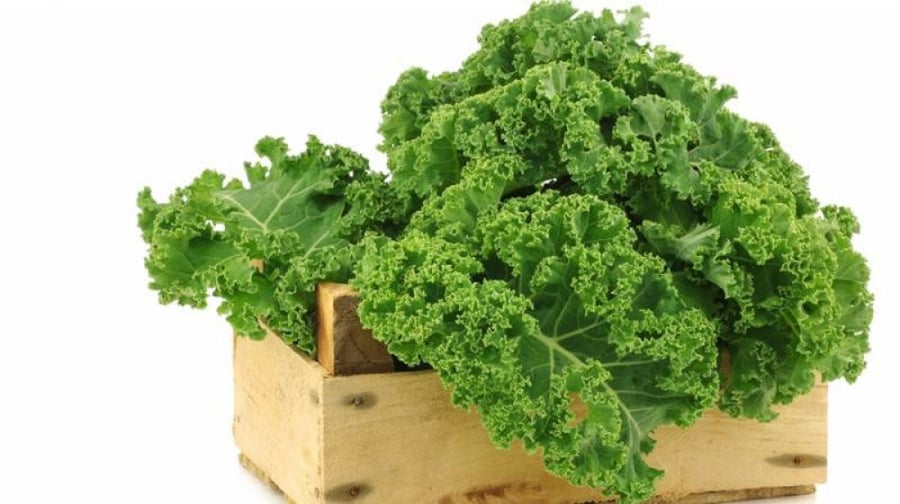

Siberian kale seed or kale
8ر.س
Product description
The Siberian dwarf kale or cabbage is a seasonal plant belonging to the cruciferous family. It is characterized by its thick, large green leaves with wavy and irregular edges. Interest in it has increased in recent years due to its many benefits, especially since it is low in calories.
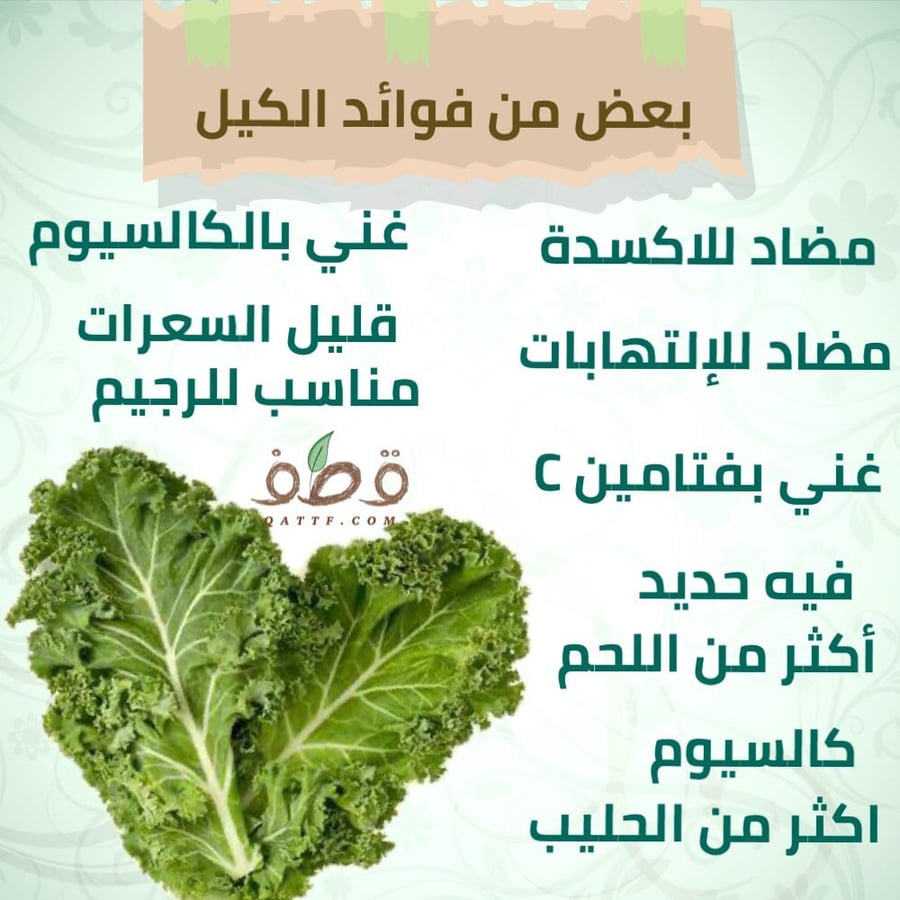
Nutritional value: Curly kale or the kale plant contains many essential nutrients for the immune system such as vitamin C, sulforaphane (a cancer-fighting compound), iron, calcium, vitamin K, potassium, magnesium, beta-carotene, and many other elements.
This plant is distinguished by its bitter flavor, which is due to the presence of glucosinolates.
Scientific name: Brassica oleracea
English name: Kale
Other names: Loose cauliflower leaves, oil cabbage, curly cabbage, Brassica oilseed.
Original habitat: The Brassica oleracea plant has been cultivated for at least 2000 years, and possibly much longer. Its origin is in the Mediterranean basin and southwestern Europe.
Family: Cruciferous family.
Genus: Crucifers or Brassica.
Height: Kale can reach up to 250 cm.
Growing kale - curly cabbage: Kale or the curly kale plant is very hardy, as it grows in winter and can withstand temperatures down to -15°C.
Preferred growing areas: Kale needs to grow in moderate weather away from drought, as drought affects leaf growth, making them rough and inedible.
Propagation: By seeds or seedlings.
Best planting time: Kale grows well in warm weather, so it is preferred to plant in spring — it can also be planted in autumn in a warm place exposed to sunlight — seeds mature from two to two and a half months after planting.
Irrigation: Kale does not require direct watering, but the soil should be somewhat moist.

From Buraydah