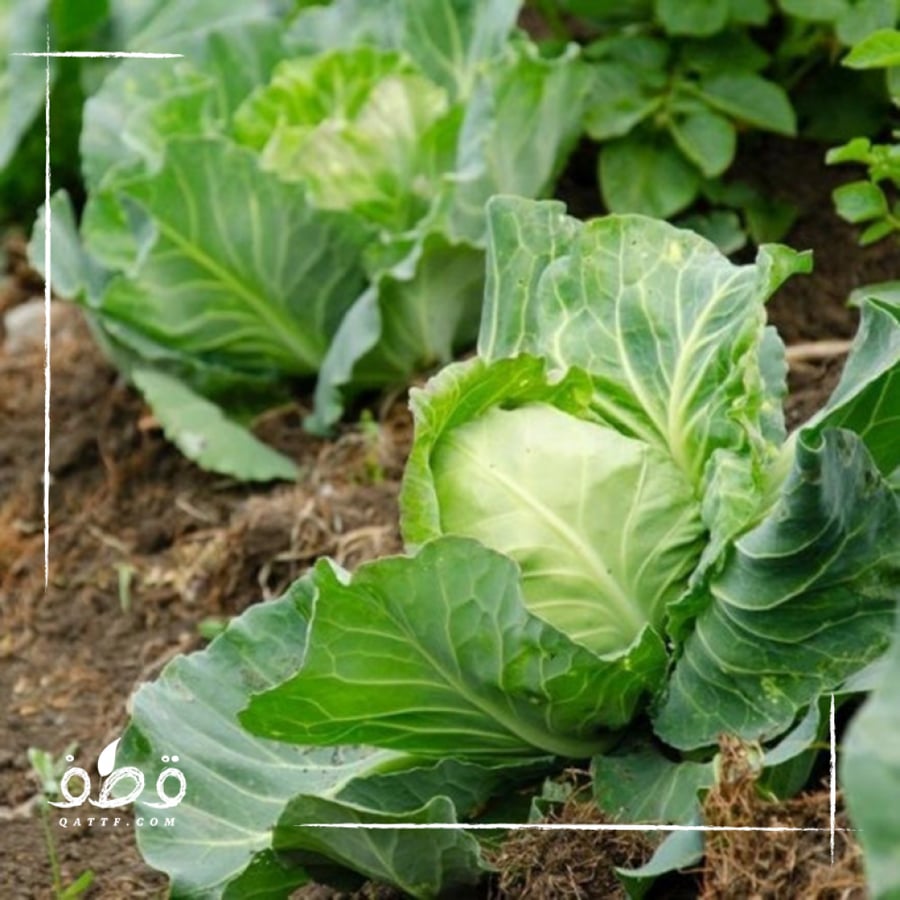


Local cabbage seeds
5ر.س
Product description
It is known that the cabbage plant is one of the vegetables that contain abundant and beneficial nutrients for the human body, as it works to treat many diseases and prevent them, and is full of nutrients. Scientific name: Brassica oleracea var. Other names: capitata. Family: crucifers. Native homeland: the Maghreb and southern Europe. Cultivation and environmental conditions: Cabbage or cole is a plant somewhat similar to lettuce and is cultivated through cabbage seeds in cabbage seedlings with water availability, of course, then it is planted and the irrigation process begins exactly after two days. Soil and fertilizer: Provide well-draining soil. Method of watering: The watering method for cabbage depends on some variables such as temperature, the type of soil in which it was cultivated, and also the age of the plant itself, but generally, the plant needs regular watering every 4 or 5 days until the cabbage heads form, and from 7 to 10 days in the period following head formation, and watering should also be stopped about two weeks before harvesting. Exposure to sunlight: Cabbage seeds need continuous sunlight to grow properly, so planting in places that do not receive enough sunlight should be avoided. Planting time: Cabbage seeds can be planted at different times of the year, but it is always preferred to plant in spring so that by summer the crop is well ripe for harvesting, and all this is to avoid delaying harvesting operations beyond summer. Flowering time: Generally, the cabbage plant begins to flower after head formation at different intervals depending on the type, climate, and soil in which the plant grew. Harvesting time: The harvest time for cabbage is usually in summer because farmers tend to plant it early in spring to avoid delaying the harvest beyond summer. Blooming: The cabbage plant is characterized by having small leaves in its flowers, but with their close arrangement in a circular shape, they appear as if they are large leaves, and they come in a beautiful purple color after the head formation period. Benefits of cabbage: Eating cabbage regularly maintains digestive health, as well as helps regulate blood sugar levels, reduces cholesterol, and maintains blood pressure. It helps treat stomach ulcers thanks to an amino acid called "glutamine" found in cabbage, which nourishes all the cells extending to the stomach and intestines. Cabbage also contains "carotene," which is considered the best natural antioxidant for colon, breast, and stomach cancer. Consuming cabbage protects against many diseases such as cancer, diabetes, osteoporosis, and high blood pressure thanks to the elements "sulforaphane" and "indole." Some previous studies confirmed that cabbage protects against heart disease and high blood pressure due to its contribution to reducing sodium levels in the blood. The list of cabbage benefits continues to include skin care, as it contains elements such as vitamins U, A, and E, which work to purify and cleanse the skin and treat acne and various wounds.

From Buraydah