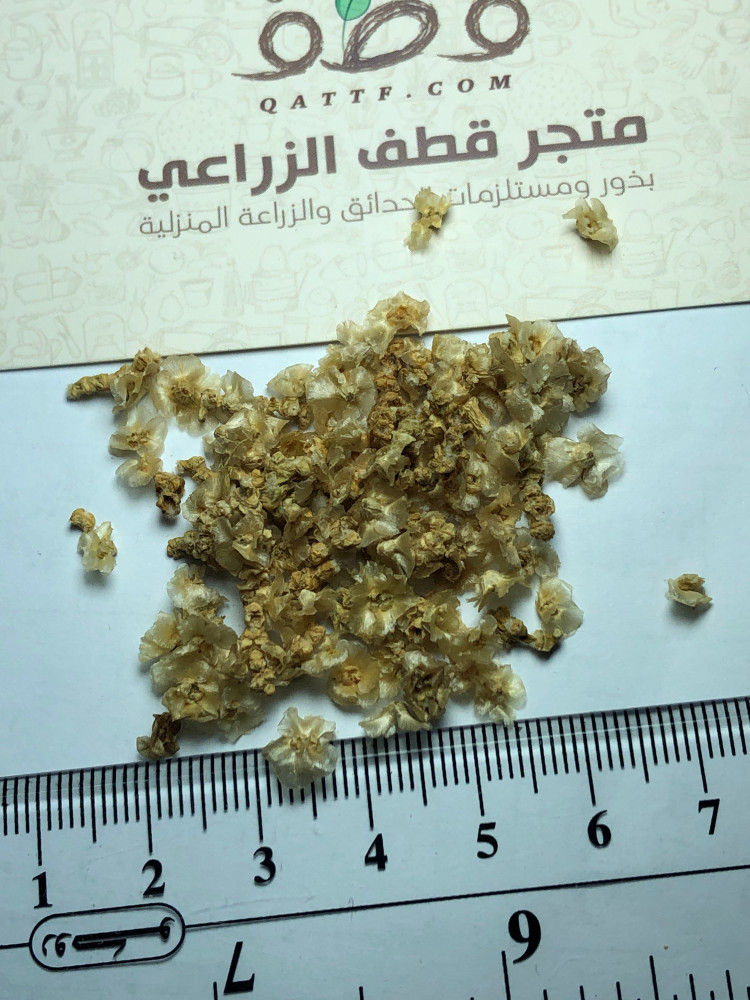
A sentence 2000 seeds from the tamarisk tree
27ر.س
60ر.س-55%Product description
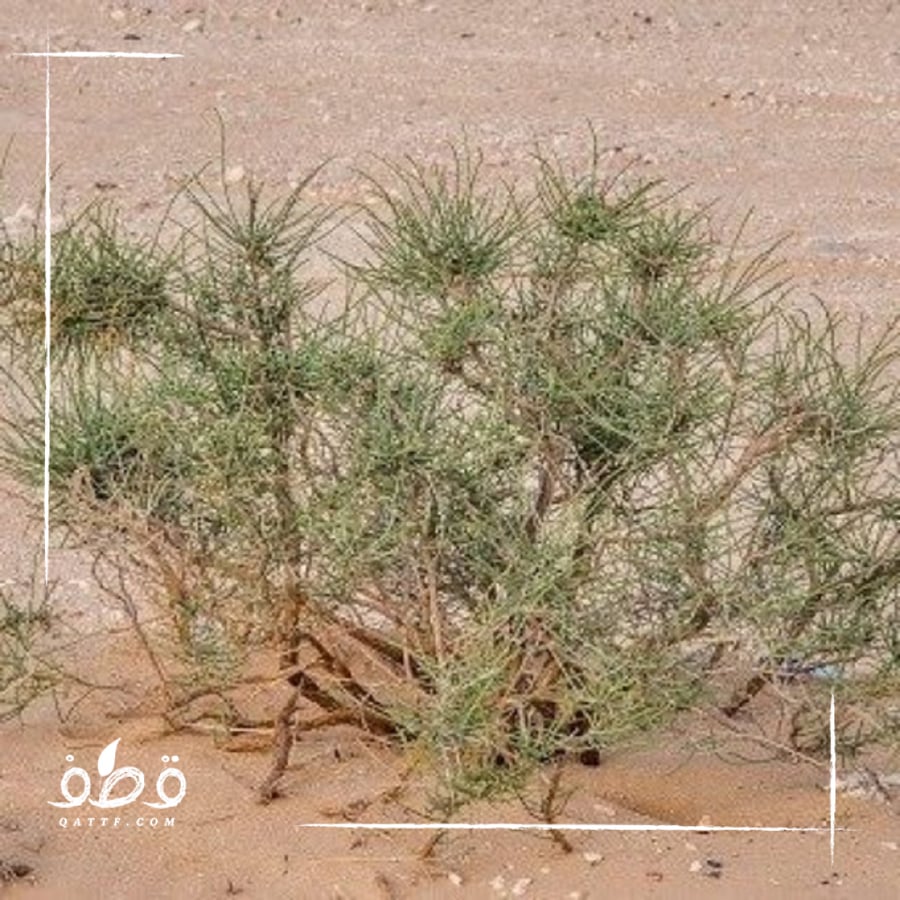
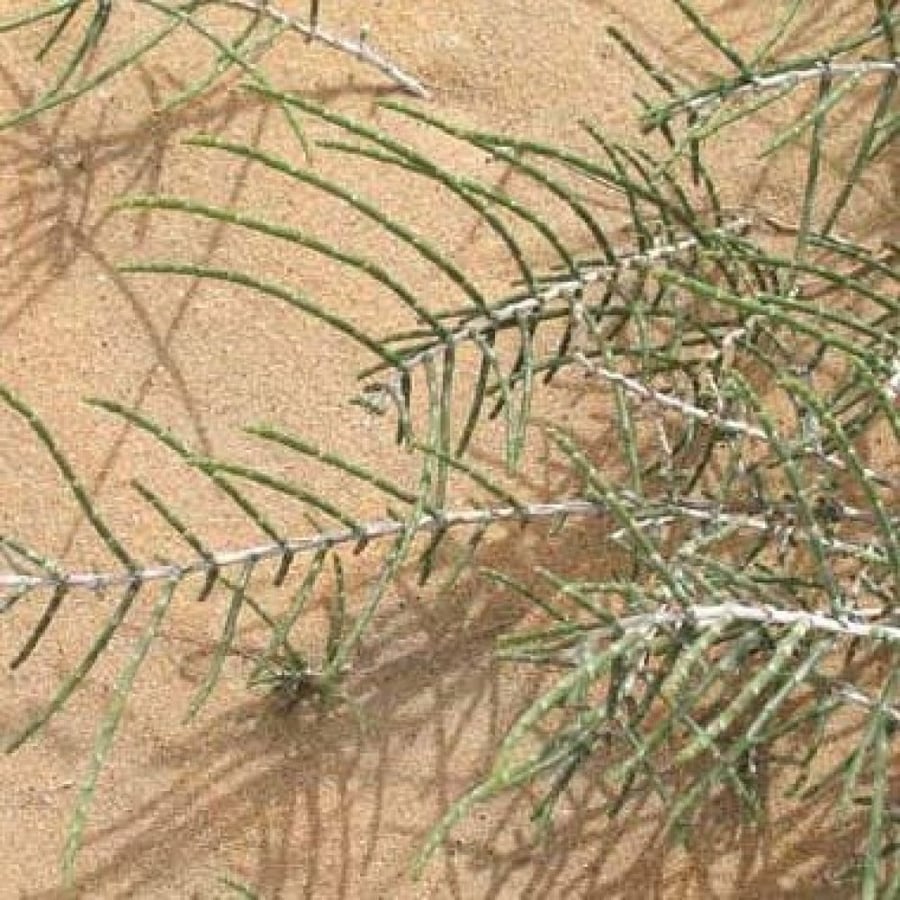
The Rhamth shrub is a wild acidic plant, perennial, evergreen, tolerates desert conditions and drought, cultivated in different types of soil, considered one of the best pasture plants, has many green branches and a pleasant aroma when burned. Scientific name: Haloxylon Salicornicum Family: Qatifia. Native homeland: Arabian Peninsula, Levant, and Sinai. Cultivation of the Rhamth shrub and environmental conditions: Rhamth lives in sand dunes, plains, and riverbeds, in dry atmospheres away from humidity, and in dry or moist soil. It also lives in both hot and dry climates, capable of enduring severe drought. Soil: Rhamth is cultivated in well-drained sandy soil, salty and alkaline. Watering: watering begins at the start of germination, then depends on soil dryness and environmental conditions. Sun exposure: full sun. Propagation: by seeds. Planting season: from October 10 to February. Flowering season: in autumn. Flowers and leaves: its flowers are very small, with a diameter of 8 mm, yellow and pinkish. Its leaves are succulent called "Ahdab," green, reaching up to 5 cm in length. Height: from 30 to 110 cm. Benefits of Rhamth: Rhamth is considered one of the important desert plants in increasing vegetation cover. It is one of the best forage plants for livestock due to the acidic substance beneficial for milk production. Used as firewood for heating, it has a very pleasant and loved fragrance. Its extract is used in soap and cleaning products manufacturing. Its ash is used in wound treatment and for joint pain. Its steam is used to treat rheumatism pain.

From Buraydah