


Astragalus asterias seed
6ر.س
Product description
Common name: Wild Astragalus Seeds
Scientific name: Astragalus asterias
Also known as: Faqa'a, Nagmiad Taqad, and (Umm Al-Khawateem)
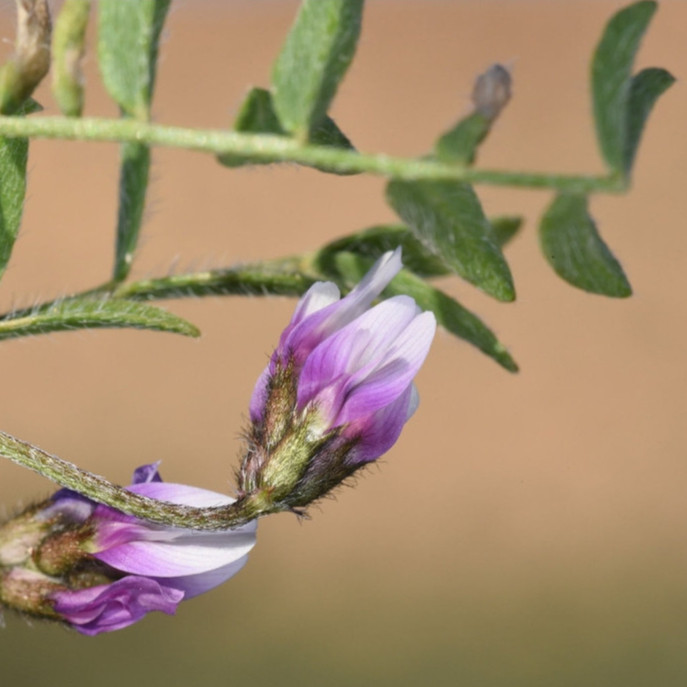
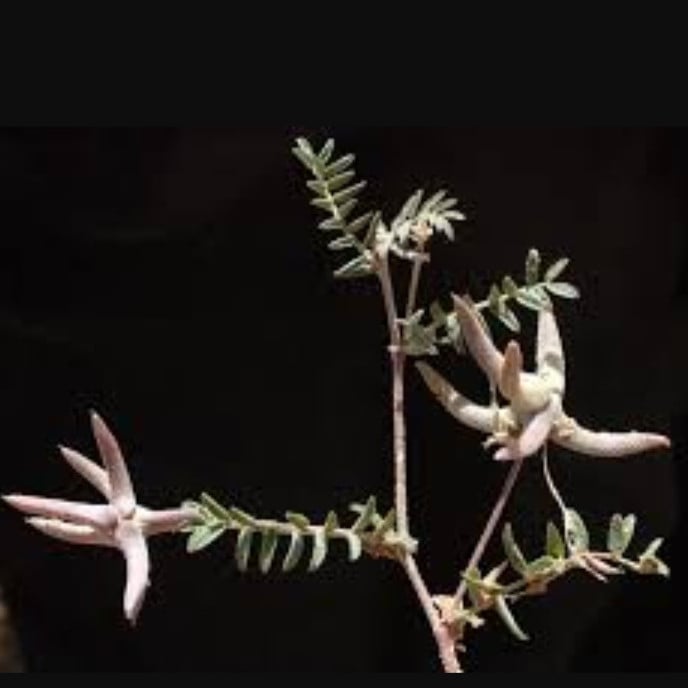
The wild Astragalus tree (Astragalus asterias) is a plant characterized by its environmental and medicinal importance. It is a wild, pastoral tree distinguished by its beautiful violet flowers. Below is a brief description of the product and answers to common questions:
What is the shape of the wild Astragalus seeds?
Wild Astragalus seeds are usually small and round, and may be covered with a protective outer layer.
When is the planting season for wild Astragalus seeds?
The planting season is in spring, after the cold period, when the suitable conditions for growth are available.
What is the suitable climate and soil for wild Astragalus seeds?
The wild Astragalus tree grows in dry and desert areas, requiring well-drained, open soil, and prefers sandy soil or soil mixed with gravel.
How to plant wild Astragalus seeds?
Before planting, soak the seeds in water for 24-48 hours.
Plant the seeds in late autumn or early spring in prepared soil, ensuring adequate moisture.
Place the seeds in shallow furrows at an average depth and cover them lightly with soil.
Water the seeds regularly until seedlings sprout and develop.
What are its benefits and uses?
Some types are used in traditional medicine to treat many diseases, such as respiratory and digestive problems.
The Astragalus tree is an important source of many essential nutrients.
It is sometimes used to improve soil quality and combat desertification.
What is the native habitat of wild Astragalus seeds?
The wild Astragalus tree is mainly found in dry and desert regions of the Middle East, North Africa, and parts of Central Asia.
For more information, you can refer to:
Wild Sidr tree seeds, Safflower seeds, and Rannf tree seeds.

From Buraydah
Questions you might have