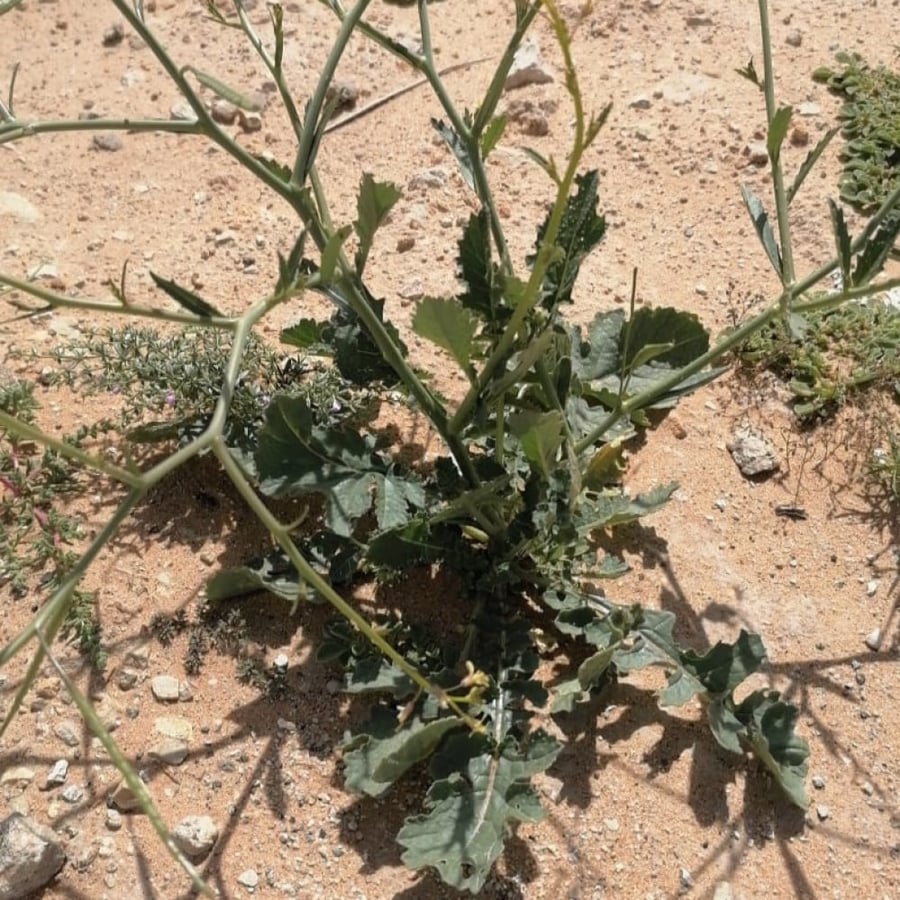
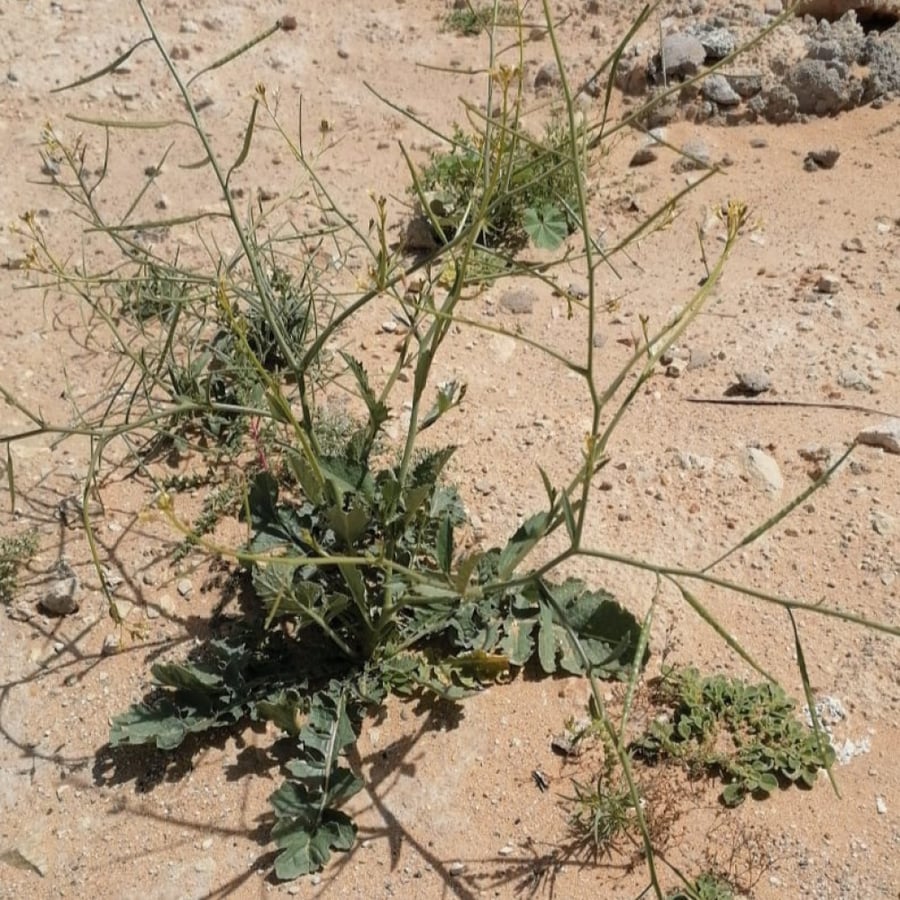

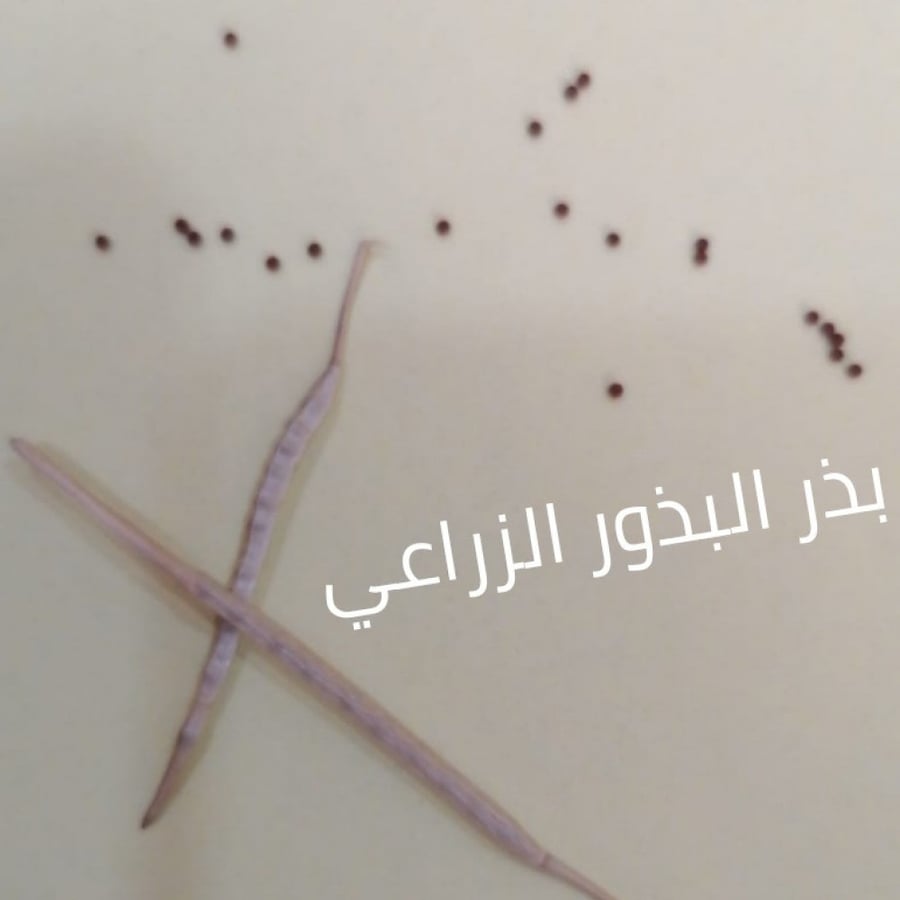
Wild herb Al-Harsha plant seeds
5ر.س
Product description
Common name: Wild Mustard Seeds
Scientific name: Brassica tournefortii Goua
Other names: Alharisha, cabbage, Salozo, mustard, honeycomb, Harshahi
A herb that proliferates in the summer season with rough leaves and spreads in a circular, wavy shape, with an upright stem that rises upward.
What is the appearance of Wild Mustard Seeds?
The seeds of the Wild Mustard herb are small in size, light brown to dark brown in color, and characterized by their rough, textured surface.
When is the planting season for Wild Mustard Seeds?
The planting season for Wild Mustard Seeds is usually in the autumn, when environmental conditions are suitable for plant growth.
What is the suitable climate and soil for Wild Mustard Seeds?
Wild Mustard grows in regions with a moderate to warm climate, requiring moderate temperatures and moderate rainfall. These plants grow well in well-drained, alkaline soil.
How to cultivate Wild Mustard Seeds?
Soil preparation: The soil should be well-prepared before planting by mixing it with organic fertilizer and ensuring proper drainage.
Planting: Seeds are planted shallowly in the soil at regular intervals.
Irrigation: The planting should be watered regularly and appropriately to maintain soil moisture.
Care: Weeds and competitors to the Wild Mustard should be removed, and attention should be paid to plant growth.
What are its benefits and uses?
The leaves of Wild Mustard are used in cooking after proper cooking.
It has uses in folk medicine and traditional treatments.
Sometimes it is used as a natural plant for birds.
What is the original habitat of Wild Mustard Seeds?
Wild Mustard is a perennial plant originally native to southern Europe and North Africa, and it also grows in parts of Asia and Australia.
For more information, you can refer to:
Seeds of the Aheina plant
Seeds of the Al-azkhar Bair plant
Seeds of the Shabath plant
From Buraydah
Questions you might have