


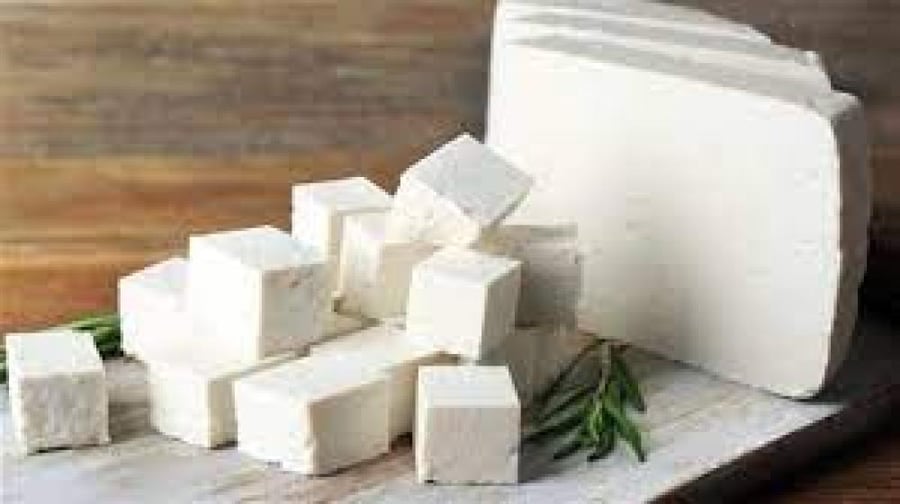
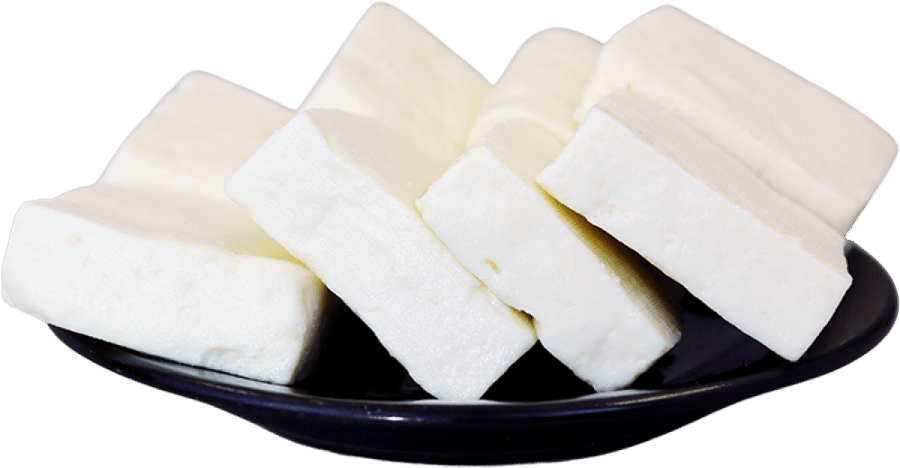
Pure white cheese
55ر.س
100ر.س-45%Product description
The benefits of white cheese
Cheese is considered a good source of calcium necessary for dental and bone health, blood clotting, wound healing, and maintaining normal blood pressure. The cheese content of calcium, protein, magnesium, zinc, vitamin A, vitamin D, and vitamin K promotes healthy bone growth in children and youth. In addition to other important nutrients found in cheese such as phosphorus and vitamin B12, which are also essential for bone health, wound healing, eye and skin health, and red blood cell production. Cheese also contains high-quality protein, which helps the body build the basic structure of strong muscles.
Cheese is made from milk of animals fed 100% on herbs, which is considered the most nutrient-rich. It also contains omega-3 fatty acids and vitamin K2. It is worth noting that the high salt content in white cheese is a common characteristic of cheese in the Middle East. For this reason, and due to health concerns it may cause, Middle Eastern residents avoid consuming Akkawi cheese because of the positive relationship between high sodium intake and high blood pressure.
The most accurate benefits of white cheese:
1. Promotes bone health
Cheese is a rich source of calcium, magnesium, vitamins, and protein, and contributes to enhancing bone health in the elderly, children, pregnant women, and nursing mothers. Calcium deficiency and low bone density are factors responsible for osteoporosis. Cheese also contains vitamin D, and the vitamin B in cheese helps promote bone health.
2. Improves dental health
Cheese is a rich source of calcium and may contribute to strengthening teeth. It also helps reduce tooth decay. Chewing cheese may increase the pH levels in the mouth and promote overall oral health. Some components of cheese may adhere to teeth and protect them from erosion.
3. Cheese works on lowering blood pressure
Sodium and cholesterol can cause high blood pressure. While low-sodium cheese is available to prevent high blood pressure, the vitamin B found in cheese is also beneficial in reducing high blood pressure.
4. Maintains body balance
Cheese contains a high percentage of natural fats that may promote weight gain. Some types of cheese contain low fat levels that may help maintain body weight balance.
5. Provides essential fats
Cheese is rich in essential fatty acids, such as conjugated linoleic acid (CLA). Studies conducted by Korea University and the University of Massachusetts have shown that CLA has anti-cancer properties, prevents atherosclerosis development, regulates immune responses, and reduces body weight. Another study by the University of Limerick found that essential fats in dairy products like cheese may have anti-inflammatory properties and may also promote cardiovascular health.
6. May reduce cancer risks
Cheese contains conjugated linoleic acid and sphingolipids, which play a very important role in cancer prevention. A study by Milan University found that sphingolipids might prevent colon cancer in humans. The calcium content in cheese may help prevent certain types of cancer. A study by the Texas Tech University Health Sciences Center found that dietary calcium could be a promising candidate in preventing colon and rectal cancer.
7. May help during pregnancy
Calcium in cheese is very good for pregnant women. It helps stimulate contractions during labor. Calcium also compensates for nutrient deficiencies during breastfeeding. Cheese can be a good option for pregnant women as it contains all the necessary vitamins and minerals for fetal growth.
8. Boosts the immune system
It is known that some types of cheese enhance immune system function. A study showed that a diet including cheese, especially probiotic-enriched cheese, may boost immune health. It may also prevent immune swelling (gradual weakening of the immune system) in the elderly.
9. Promotes thyroid health
Adding cheese to your diet may help enhance thyroid health. Cheese is a rich source of selenium, which may regulate thyroid function. Selenium can counteract virus development by helping produce thyroid hormones.
10. Improves brain functions
Cheese, especially Camembert, may help improve brain functions. Extracts from Camembert cheese may reduce levels of inflammatory cytokines. It may help reduce the risk of Alzheimer’s disease and improve brain functions.
11. Promotes skin health
Cheese may promote skin health. The vitamin B it contains may help in cell metabolism and growth. This may give you clear skin.
Nutritional value of white cheese
The following shows the nutritional value in 100 grams of white cheese of the type "Al-Element"
Nutritional element | Nutritional value
Calories | 250 calories
Protein | 14.29 grams
Fats | 21.43 grams
Calcium | 500 milligrams
Iron | 1.29 milligrams
Sodium | 3036 milligrams
Vitamin A | 714 IU
Saturated fatty acids | 14.29 grams
Cholesterol | 125 milligrams

From Mecca