
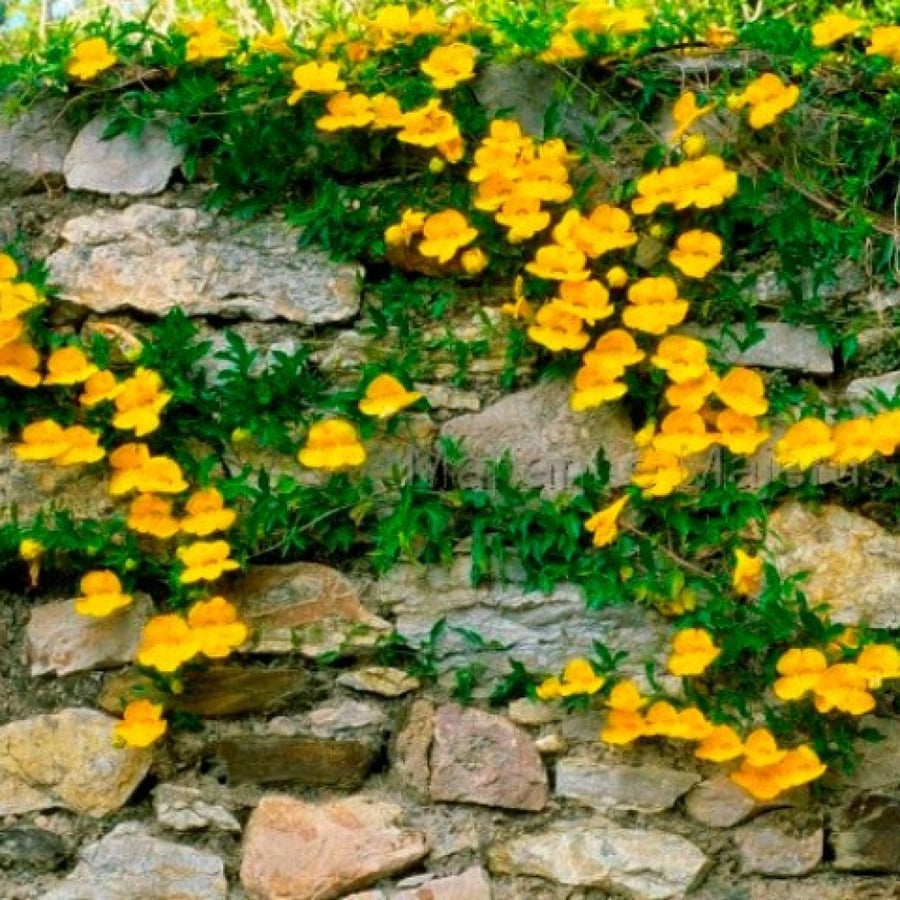

Climbing seeds cat's claw (Macfadyena unguis)
9ر.س
Product description
Common name: Claw climber
Scientific name: Macfadyena unguis
Other names: Doxantha - Bagnoni
Evergreen tropical climbing plant that grows quickly and spreads due to its remarkable slender stems, which can trellis and cling to surrounding surfaces, columns, and fences without the need for support or anchoring. It reaches up to 10 meters in length and has shiny, evergreen leaves ending in three curved leaflets resembling a claw. It is considered a beautiful flowering plant that tolerates heat and frost. Because it is a fast-spreading plant, it must be pruned and contained in an appropriate place, keeping in mind that direct contact with the hand during pruning may cause skin irritation, so wearing gloves is recommended when handling this plant.
Claw climber flower: Its flowers are trumpet-shaped and light yellow in color, blooming from late spring until early autumn.
Claw climber fruit and seeds: Its fruits are pod-shaped containing long, dark-colored feathery seeds.
Propagation season: The best season for propagating the claw climber is autumn and spring, but it can be cultivated year-round in moderate climates and protected areas.
Suitable climate and soil for growing the claw climber: It tolerates high temperatures and frost below zero degrees, needs sunlight, and can adapt to partial shade and relative drought. It can grow in most soil types but thrives in fertile soil.
Method of planting the claw climber: It propagates through cuttings or seeds, as it is easy to germinate. Seeds are planted at a depth of no more than 2 cm from the soil surface. Regular watering is required until the plant sprouts, after which watering is gradually reduced. It can also be fertilized with organic compost at least once during flowering to accelerate growth and development.
Its benefits and uses: The claw climber is used for decoration and beautifying gardens and tall buildings. It is a widely used ornamental plant worldwide and also used as an herbal remedy in alternative medicine.
Original habitat: Tropical rainforests of South and Central America, now spread in many parts of the world.

From Yanbu