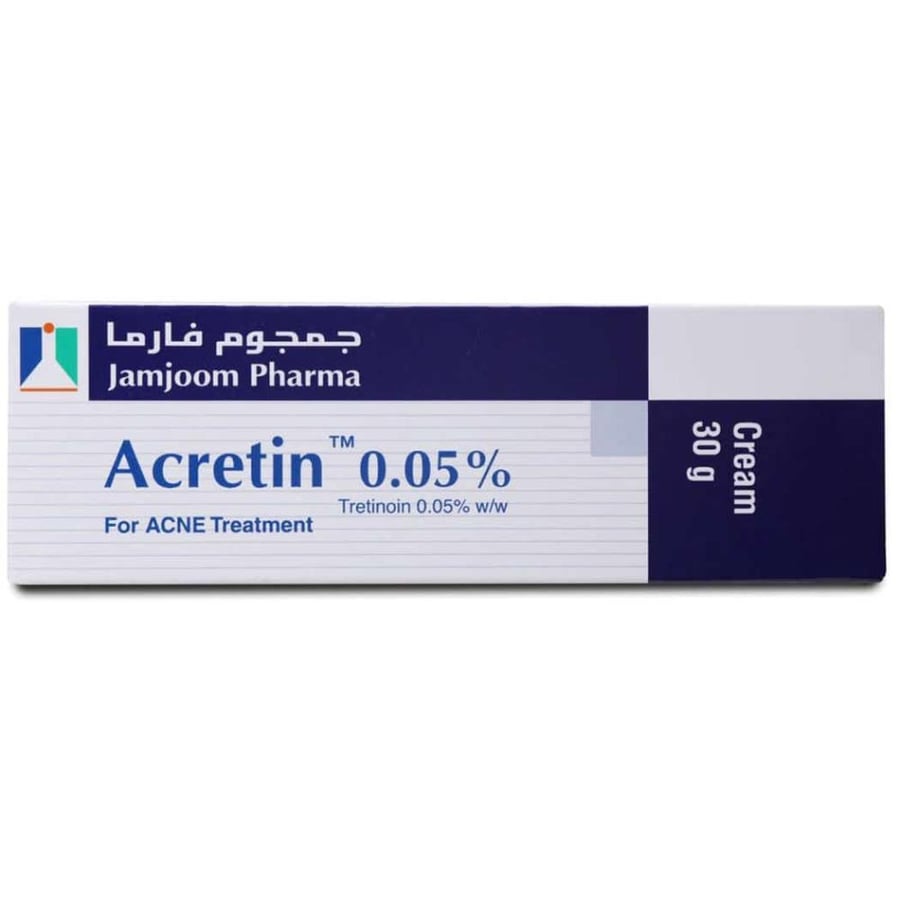
Ecartin 0.05% cream 30 grams
23ر.س
Out of Stock
Product description
What is the use of tretinoin: tretinoin is a medicine used for treating acne. Acne is an inflammatory skin disorder caused by blockage of hair follicles with oil and dead skin cells, resulting in blackheads or whiteheads or pimples. The safety and effectiveness of long-term use of this medicine in treating other diseases have not been proven. Do not use tretinoin: if you are allergic to tretinoin or any of the ingredients in this product. Warnings and precautions: stop taking the medicine immediately and talk to your doctor or pharmacist if you experience any allergy or skin reactions to any of the ingredients in this gel such as skin itching and redness, shortness of breath, rash, facial or neck swelling, low blood pressure, dizziness. This medicine is for external topical use only. Do not swallow this product. Keep the tube tightly closed. This medicine may cause redness, swelling, and peeling at the application site. Some patients may also find their skin starting to turn red. These skin reactions do not occur in all patients and are more likely to occur during the first days of treatment and usually subside when your skin begins to adapt to the medicine (within 2 to 4 weeks). You can reduce the risk of these side effects by following the instructions carefully. Talk to your doctor if your skin reactions bother you or do not subside after some time, your doctor may recommend using this medicine less frequently or stopping its use altogether. Tretinoin may cause severe irritation in areas of skin with eczema (a skin condition causing itching and redness), so tretinoin should be used very cautiously if you have this skin condition. Tretinoin may cause a change in your skin color, which usually returns to normal after stopping use or when your skin adapts to it. Do not share your medications with others. Do not use this product on broken skin. Excessive exposure to natural or artificial sunlight may increase the risk of sunburn. It may also cause premature aging and skin cancer if exposed over many years. The risk of these side effects varies depending on climate, skin type, and precautions taken to prevent excessive sun exposure. The risk of sunburn and other skin problems is higher when using this medicine because it can make your skin more sensitive to sunlight. Therefore, it is very important to avoid sun exposure and sun lamps when using this medicine. Be sure to apply sunscreen when going out (even on cloudy days) if you cannot avoid sun exposure or sun lamps. Ask your doctor about the best SPF sunscreen to apply before sun exposure. In case of prolonged sun exposure, also wear protective clothing (such as a hat). Do not expose yourself to artificial sun lamps when using this medicine. The skin is more prone to burns or dryness in harsh weather conditions such as cold or wind. Your skin may become more irritated in harsh weather when treating with tretinoin. Your doctor can advise you on how to manage your treatment under these conditions. Do not use this product if you have sunburn until the sunburn heals completely. You may notice new blemishes (papules and pustules) appearing after 3 to 6 weeks of starting this medicine. It is very important to continue using the medicine at this stage. If tretinoin helps reduce acne, you should notice continuous improvement in your skin’s appearance after 6 to 12 weeks of treatment. Be patient and do not be discouraged if you do not see immediate improvement. Do not stop using the cream at the first signs of skin improvement. Continue using the medicine until your doctor tells you to stop. Make sure not to use harsh scrubs, skin cleansers, medicated soaps, or cosmetics containing alcohol to prevent excessive dryness or skin irritation. Possible side effects: common side effects include burning or stinging skin, warmth, tingling, itching, dry skin, excessive redness, skin edema (fluid accumulation), peeling, ulcerated skin, temporary change in skin color (increase or decrease), and increased sensitivity to sunlight. These skin reactions usually subside after stopping the medicine. Other medications and tretinoin: tell your doctor or pharmacist if you have recently used, are using, or might use any other medications including topical products. If you use other topical medications, medicated soaps/cleansers or abrasives, or soaps or cosmetics (especially if they contain high concentrations of medications, alcohol, spices, or lime). If you use topical products containing resorcinol, sulfur, or salicylic acid (other topical medications used for certain skin problems). Do not use any of the products mentioned in this section when using tretinoin, and do not use other medications for your acne without consulting your doctor. Using these products with tretinoin may increase the risk of unwanted side effects such as excessive skin redness, dryness, or peeling. Follow your doctor’s recommendations. How to use tretinoin: gently wash your skin with mild, non-medicated soap two to three times daily, then dry the skin with a towel. Let your skin dry for 20 to 30 minutes before applying the medication. Avoid washing the affected area excessively and do not use harsh scrubs. Acne is not caused by dirt, so over-washing and scrubbing will not remove it. Excessive washing or harsh rubbing may worsen acne. Make sure to use your cream exactly as prescribed for the best results. Be patient during your treatment as this medication may take some time to start working. Many patients begin to see effects after 12 weeks of starting the medication. Therefore, it is very important not to follow instructions from other products or friends and not to stop your medication without first consulting your doctor. Apply tretinoin cream once daily before bed, or as directed by your doctor. Your doctor may recommend applying tretinoin every other night at the start of treatment, especially if your skin is sensitive. First, wash your skin with mild soap and gently dry. Then, wait 20 to 30 minutes before applying the cream to allow your skin to dry completely and reduce potential irritation. To apply tretinoin cream, place about half an inch or less of the medication on the tip of your finger. After gaining some experience with the cream, you may find you need to apply more or less to cover your entire face. The cream is expected to become invisible immediately after application. If the cream is still visible, you are applying more than necessary. To lightly cover the affected skin area with tretinoin cream, start by applying it to your chin, forehead, and both cheeks, then spread the cream over the entire affected skin area, and gently smooth the applied cream onto your skin. It is recommended to use a non-comedogenic moisturizer (a product that does not worsen acne) or a non-comedogenic moisturizer with sunscreen every morning after washing your skin. Avoid contact of the cream with your eyes, mouth, nostrils, and mucous membranes to prevent irritation (redness or peeling) at the application site. How to store tretinoin: keep the medicine out of reach of children and pets. Store the medicine in a dry place at room temperature (25°C). Short-term storage is permitted at 15-30°C. Do not use the medicine after the expiration date printed on the cream. Keep the medicine in its original container to protect it from moisture and light. Do not dispose of medicines in wastewater or household waste. Product details: Product model: Cream. Product type: Cream. Brand: Akretin. Quantity: One piece.

From Arar
Questions you might have