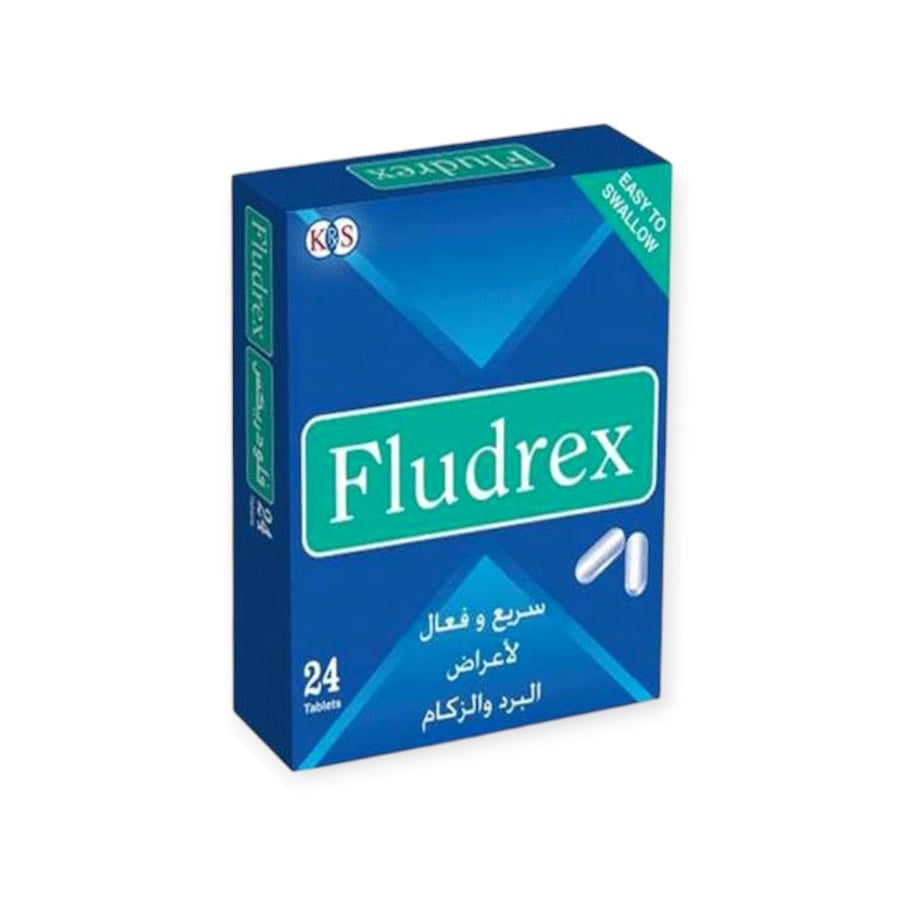
Flodrix 24 tablets
12.30ر.س
Out of Stock
Product description
Paracetamol 400 mg / Chlorpheniramine Malate 3 mg / Pseudoephedrine Hydrochloride 30 mg / Anhydrous Caffeine 32 mg
What is paracetamol / chlorpheniramine malate / pseudoephedrine hydrochloride / anhydrous caffeine and what is its use
This product consists of four active ingredients: paracetamol, chlorpheniramine, pseudoephedrine hydrochloride, and caffeine anhydrous. Paracetamol: is a medicine belonging to a class called analgesics and antipyretics. Chlorpheniramine: an antihistamine that works to reduce the effects of histamine in the body and thus helps relieve allergy signs and symptoms such as sneezing, tearing eyes, itching, and runny nose. Pseudoephedrine: is a medicine belonging to a class called "decongestants" and works to reduce nasal congestion that you may feel during cold and flu. Caffeine is used to increase the absorption of paracetamol and thus enhance its analgesic effect. It is mainly used to relieve cold and flu signs and symptoms including: headache, congestion and sinus pain, sneezing, body aches, itching and watery eyes, nasal blockage and runny nose, fever. Do not take paracetamol / chlorpheniramine malate / pseudoephedrine hydrochloride / anhydrous caffeine if you are allergic to paracetamol, or chlorpheniramine, or pseudoephedrine hydrochloride, or caffeine, or other antihistamines or any of the ingredients in this medicine. Tell your doctor about any allergies and the signs you have. If you are taking other products containing paracetamol or other antihistamines or cough, cold, and flu medicines or decongestants. Make sure not to exceed the dose. If you have high blood pressure or severe problems in the liver, kidneys, or heart. If you have urinary retention. If you have angle-closure glaucoma (a type of high pressure in your eye). If you are taking or have taken in the past two weeks MAO inhibitors (used to treat depression), such as moclobemide. Do not give this medicine to children under 6 years old. Warnings and precautions: Talk to your doctor or pharmacist if you experience allergic reactions such as shortness of breath, rash, swelling of the face or neck, low blood pressure, and dizziness. Make sure to inform your doctor if you have liver or kidney problems, including alcoholic liver disease, or if you suffer from mild arthritis (arthritis) and need to take painkillers daily. Long-term use of this medicine may be harmful to the liver. Contact your doctor if symptoms are not relieved after three days. Do not drink alcohol while taking this medicine. The concurrent use of this medicine with other drugs that may cause drowsiness, such as sedatives (used for sleep problems) and anxiolytics (used for anxiety), may cause excessive drowsiness and sedation. Therefore, avoid taking any of these drugs together. This medicine contains pseudoephedrine, which has been linked to cases of reversible posterior encephalopathy syndrome / reversible cerebral vasoconstriction syndrome (medical conditions affecting the brain). Symptoms include nausea, sudden severe headache, visual disturbances, and vomiting. Contact your doctor if you experience any of these signs. Talk to your doctor before starting this medicine if you have prostate enlargement, vascular problems, glutathione depletion (such as sepsis), high blood pressure, liver or kidney problems, heart or circulatory issues, diabetes (high blood sugar), hyperthyroidism, pheochromocytoma (adrenal gland tumor), or glaucoma (high eye pressure). Talk to your doctor before starting this medicine if you are taking antihypertensive drugs including beta-blockers (used for some heart problems and high blood pressure) or tricyclic antidepressants (used for depression), such as amitriptyline and imipramine. Talk to your doctor if you have a history of seizures or respiratory problems (such as asthma, bronchitis, or COPD). This medicine contains pseudoephedrine, which has been linked to ischemic colitis (reduced blood flow to the colon) presenting with signs and symptoms such as rectal bleeding, abdominal pain, diarrhea, nausea, cramping or tenderness in the abdomen, urgent need to pass stool, passing blood without stool, or passing pink or light red blood in your stool. Stop taking the medicine and contact your doctor or seek medical help immediately if you experience any similar signs. Avoid excessive intake of caffeine-containing products (such as tea, coffee, and some canned drinks). Taking this medicine with products containing caffeine may cause nervousness and rapid agitation. Possible side effects include signs of allergy and skin reactions such as rash and itching, respiratory problems like difficulty breathing (more likely if you have previously experienced this after taking similar painkillers like aspirin and ibuprofen), sudden weight loss, nausea, jaundice, loss of appetite, unexplained bleeding or bruising, irregular or rapid heartbeat, signs of liver damage such as yellowing of the eyes and skin. Other side effects include drowsiness, difficulty sleeping, fatigue, headache, hallucinations, muscle tremors, blurred vision, difficulty concentrating, dizziness, nausea, indigestion or vomiting, insomnia, dry mouth, nose, and throat, rapid heartbeat, loss of coordination, nervousness, irritability, and constipation. Other medicines and paracetamol / chlorpheniramine malate / pseudoephedrine hydrochloride / anhydrous caffeine: inform your doctor or pharmacist if you are taking or have recently taken or might take any of the following: metoclopramide or domperidone (used for vomiting or nausea), cholestyramine (used to lower cholesterol), blood thinners (such as warfarin) and need to take painkillers daily. Chronic use of painkillers and blood thinners increases bleeding risk. Other products containing paracetamol or other antihistamines or cough, cold, and flu medicines or decongestants. Medicines that may cause drowsiness, such as sedatives and anxiolytics. Appetite suppressants. Opioid painkillers. Medicines for bladder and urinary tract infections. Heart and blood pressure medicines including beta-blockers. Chloramphenicol (antibiotic). Alcohol. Tricyclic antidepressants, such as amitriptyline and imipramine. Medicines for behavioral issues. Antiepileptic drugs (seizures), such as phenytoin. MAO inhibitors used in the past two weeks, such as moclobemide.
How to take paracetamol / chlorpheniramine malate / pseudoephedrine hydrochloride / anhydrous caffeine adults and children aged 12 and above: take one tablet orally three times a day (one tablet every 8 hours) as needed or as directed by your doctor. Do not exceed the maximum recommended daily dose. Children under 12 years: do not give paracetamol / chlorpheniramine malate / pseudoephedrine hydrochloride / anhydrous caffeine tablets to children under 12 years old. Take the tablet with food or without. Take the tablet with a full glass of water. Do not take more than the recommended dose or more frequently than advised.
How to store paracetamol / chlorpheniramine malate / pseudoephedrine hydrochloride / anhydrous caffeine: keep out of reach of children and pets. Store this medicine in a cool, dry place below 25°C. Do not use the medicine after the expiration date printed on the package. Keep the medicine in its original container to protect it from moisture and light. Do not use damaged pills. Do not dispose of medicines in wastewater or household waste.

From Riyadh