

6KG CO2 Fire Extinguisher
201.25ر.س
Product description
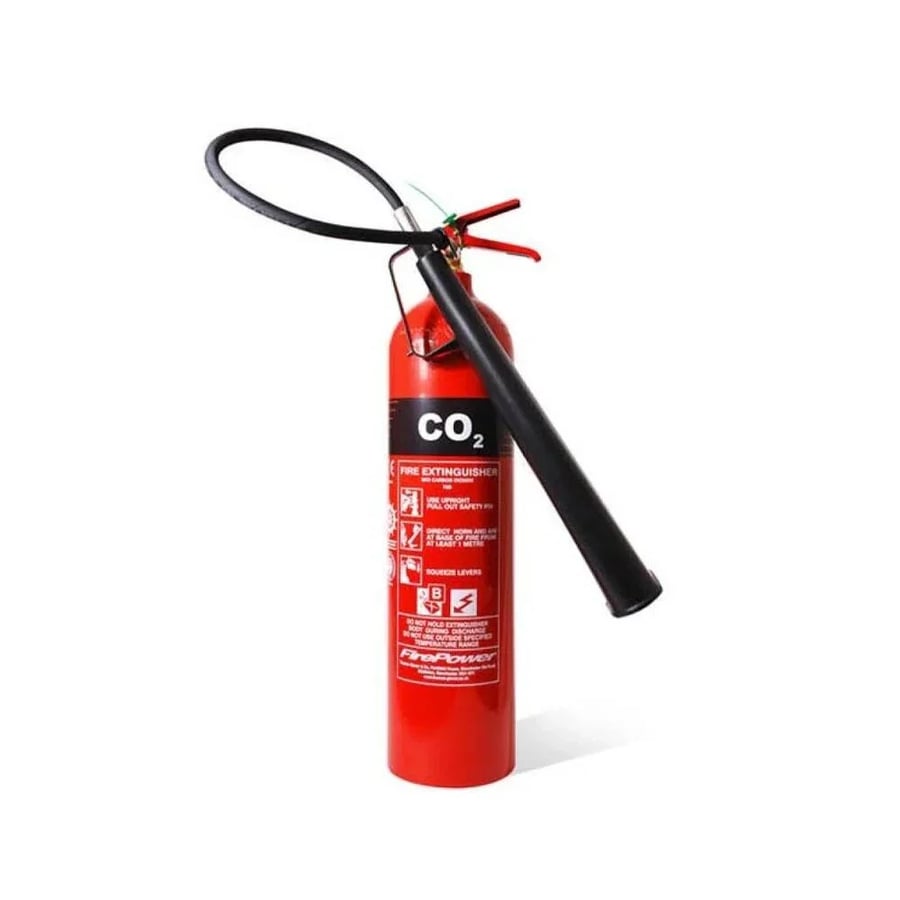
- The 6kg Carbon Dioxide Fire Extinguisher is a portable fire safety device containing 6kg of compressed carbon dioxide. It is designed to extinguish fires by displacing oxygen, effectively smothering the flames.
- Key Features:
- Extinguishing Agent: Carbon dioxide (CO2) - a non-conductive gas.
- Fire Classifications: Primarily effective on Class B fires (flammable liquids such as gasoline, oils, and paints) and Class C fires (electrical fires).
- How It Works:
- Carbon dioxide displaces oxygen in the air surrounding the fire, effectively extinguishing it. It also has a cooling effect.
- Clean Agent:
- Carbon dioxide is a clean agent, meaning it leaves no residue after discharging, making it ideal for protecting sensitive electrical equipment.
- Appearance:
- It typically has a black label indicating "CO2" and a distinctive horn-shaped nozzle.
- Sizes: The 6kg size is a popular portable size, offering a good balance between firefighting capability and portability. Other common sizes include 2 kg and 5 kg. Larger wheeled units are also available.
- Typical specifications (may vary by manufacturer and model):
- Capacity: 6 kg of carbon dioxide
- Fire rating: Varies according to testing standards (e.g., EN3 and AS/NZS). Examples seen include 55B and 70B.
- Discharge time: Typically approximately 9-15 seconds.
- Discharge range: Approximately 3-5 meters.
- Operating temperature: Typically -20°C to +60°C.
- Test pressure: Typically approximately 250 bar.
- Operating pressure: Typically approximately 55-60 bar.
- Cylinder material: Typically steel (carbon, manganese, chromium, molybdenum) or aluminum.
- Hose length: Approximately 1 meter (1220 mm listed in one of the results).
- Weight (shipped): Varies from 14 to 17 kg depending on cylinder material.
- Dimensions: Height and diameter vary.
- Uses:
- Offices: Ideal for protecting computers, servers, and other electronic equipment.
- Shops and retail stores: Suitable for areas with electrical hazards and some flammable liquids.
- Schools and hospitals: For use in areas containing sensitive electronic equipment.
- Laboratories: Where sensitive equipment is located.
- Industrial and manufacturing facilities: For certain types of flammable liquids and electrical hazards.
- Commercial kitchens (some applications): For electrical equipment fires, except cooking oil/fat fires (Class F).
- Considerations:
- Not suitable for Class A fires (ordinary flammable materials such as wood, paper, and fabrics) as it does not cool the material effectively and re-ignition may occur.
- Asphyxiation hazard: Carbon dioxide displaces oxygen. Use in confined spaces can be dangerous. Ensure good ventilation. A minimum area of 5.5 square meters per kilogram of carbon dioxide is sometimes recommended.
- Frostbite Risk: The horn may become extremely cold during discharge. Handle carefully or use a frost-resistant horn.
- Short Discharge Time: Requires precise and effective aiming at the base of the fire.
- Reignition: As the carbon dioxide dissipates, the fire can reignite if a heat source is still present.
- Maintenance:
- Periodic maintenance is essential to ensure the extinguisher is ready for use in an emergency. This typically includes:
- Monthly visual inspections: Check for damage, ensure the pressure gauge is in the green zone, and ensure the tamper seal is intact.
- Annual Technical Inspection: Performed by certified technicians. This includes a comprehensive inspection of the extinguisher components.
- Hydrostatic Pressure Testing: Typically performed every 5-10 years (depending on local regulations and standards) to test the integrity of the cylinder under pressure.
- Refilling: Must be performed immediately after each use or in accordance with the manufacturer's recommendations and regulations.
- Weight: Check the weight regularly to ensure the correct amount of carbon dioxide is present (a loss of more than 10% usually requires refilling).

From Dammam
Questions you might have