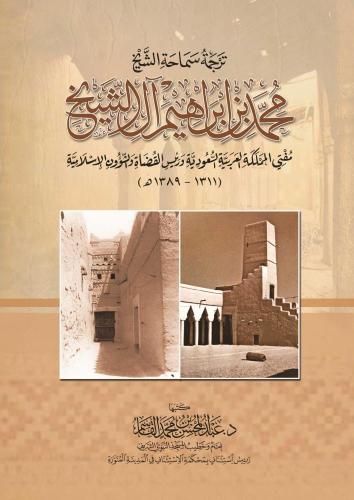
Explanation of the book "Kashf al-Shubahat" - Muhammad bin Ibrahim Al Sheikh
49ر.س
Out of Stock
Product description
A treatise on clarifying misconceptions, a message about the monotheism of worship, authored by the Sunni Salafi scholar Muhammad ibn Abd al-Wahhab, regarding the importance of differentiating between the monotheism of worship and the monotheism of Lordship, and responding to the arguments and misconceptions that spread in his era to justify seeking intercession through graves, the dead, saints, and others. Today, the book is considered highly valuable among students of knowledge, and it is one of the early texts studied in the science of creed.
This explanation is distinguished by several aspects; including: that it is a commentary by a firm scholar and an imam from the imams of الدعوة. It is the first comprehensive written explanation of "Kashf al-Shubuhat" since the time of the author, Imam Muhammad ibn Abd al-Wahhab, may Allah have mercy on him, and it is the only copy of his esteemed explanation. It is a collection of his explanations of "Kashf al-Shubuhat" six times.
It is derived from the Book of Allah, the Sunnah of His Messenger ﷺ, and the sayings of the Salaf of the Ummah, may Allah have mercy on them. It explains each sentence of the text thoroughly, clarifying every word within it. Its words are eloquent, its expressions precise, clear, and easy to understand. The commentator’s care in establishing and firmly consolidating correct creed, along with his keenness to respond to opponents.
It includes rephrasing misconceptions or answers to ensure the intended meaning is achieved. It contains valuable scientific insights and investigations. The investigation is distinguished by many features, including:
- Providing detailed headings for the explanation in the margins, clarifying the purpose and summarizing the benefits.
- Briefly explaining the narrations.
- Attributing sayings and authenticating evidences from their sources.
- Clarifying the meanings of unfamiliar words.
- Translating the names of scholars mentioned, introducing the sects and groups, and indicating the locations of countries and places.

From Arar
Questions you might have