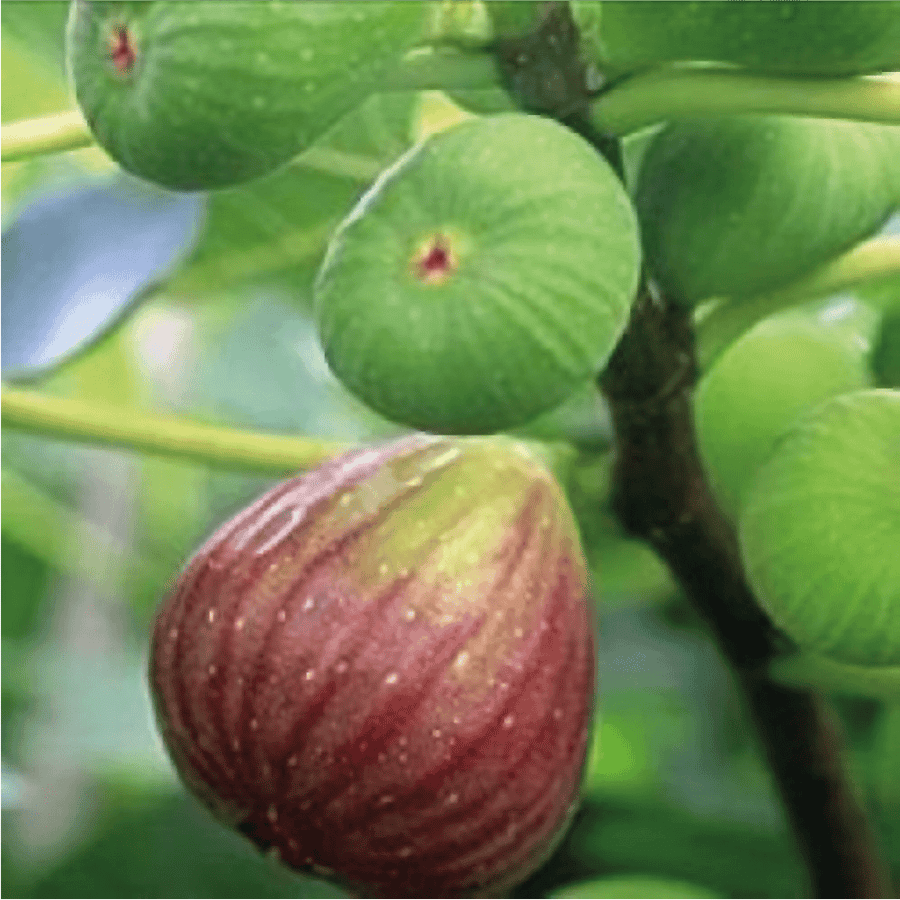


Turkish fig brown
16.10ر.س
Product description
Please note that: the product size may vary slightly, ranging between 90cm - 50cm.
The images displayed here show the features and shape of the plant after planting, caring for it, and providing all its needs as shown in the plant description.
Description of the Turkish Fig plant:
The Turkish Fig, or the common fig as it is scientifically known as Ficus carica, is a deciduous fruit tree belonging to the Moraceae family.
This tree is characterized by its large leaves with a distinctive shape, and its delicious fruits which range in color from green and yellow to reddish-brown.
This tree is famous for its ability to withstand drought and adapt to various climatic conditions.
Main specifications:
Size: The Turkish Fig tree reaches an average height of 3-10 meters.
Leaves: Its leaves are large, rough to the touch, and divided into lobes or sections.
Fruits: The fig fruits are hollow berries containing small seeds, and their sizes and shapes vary depending on the variety.
Roots: It has strong, branching roots that help it anchor in the soil and access water and nutrients.
Methods of caring for the Turkish Fig plant:
Light: The Turkish Fig needs exposure to direct sunlight for at least 6 hours daily to ensure good growth and fruit production.
Soil: It prefers well-drained sandy loam soil rich in organic matter.
Watering: The fig tree should be watered regularly, especially during the summer, while avoiding overwatering to prevent root rot.
Fertilization: It is recommended to fertilize the fig tree with balanced organic fertilizer once a year in spring.
Protection from pests and diseases: The fig tree should be monitored regularly to detect any pests or diseases, and necessary measures should be taken to combat them.
Additional tips:
Harvesting: The fruits are harvested when they ripen, become soft, and have a distinctive color.
Benefits of the fig:
Nutritional value: Figs contain many vitamins, minerals, and dietary fiber.
Health: Figs help improve digestion, strengthen bones, protect the heart, and fight infections.

From Al Kharj
Questions you might have