

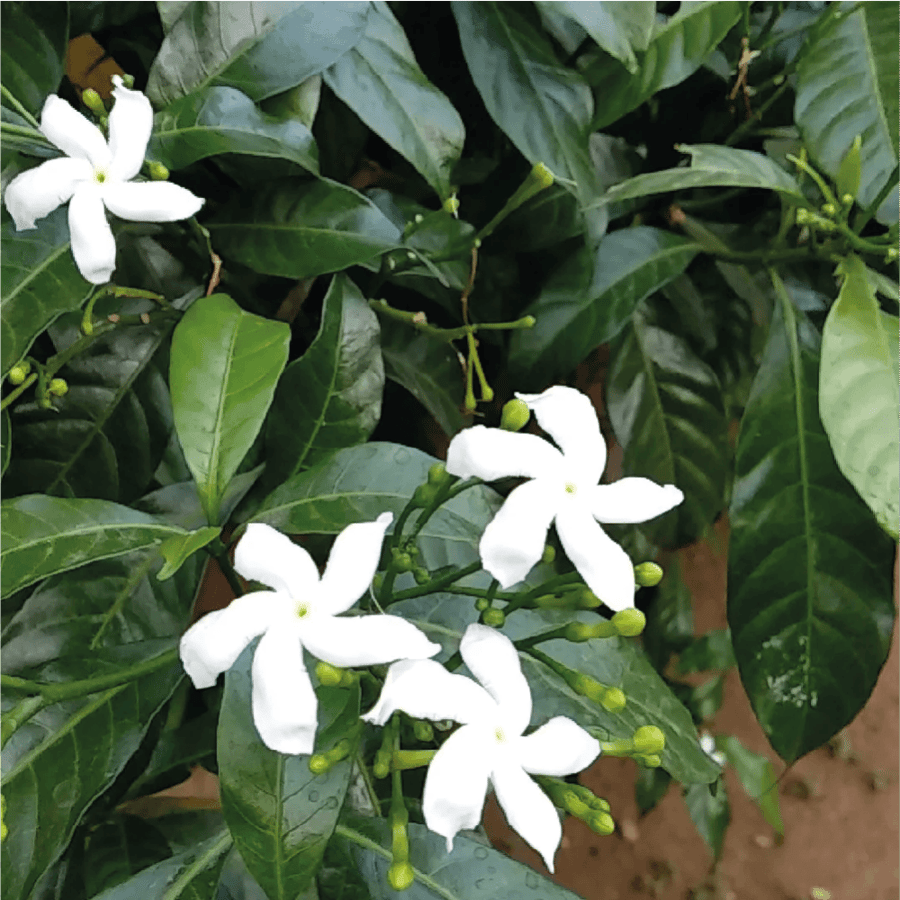
Gardenia is a liar and is called in English Tabernaemontana
16.10ر.س
Product description
The prices displayed do not include shipping fees, which may vary depending on the destination. Please note that: the product size may vary slightly, ranging between 70cm - 30cm.
Note: The images shown of the product here illustrate its features and appearance after planting, care, and providing all its needs as shown in the plant description.
Description:
The false gardenia plant, or scientifically known as "Tabernanthe," is an evergreen shrub characterized by its dark, glossy leaves and fragrant white flowers that resemble jasmine flowers. This plant is very popular in indoor and outdoor decoration due to its beauty, elegance, and fragrant scent that fills the place.
Main features:
Leaves: oval-shaped, glossy, and dark-colored.
Flowers: white, fragrant, and resemble jasmine flowers.
Growth: relatively fast, and can reach several meters in height under suitable conditions.
Care methods for the false gardenia plant:
Light: needs bright, indirect light. Avoid exposing it to direct sunlight for long periods, as it may cause leaf burns.
Watering: keep the soil moderately moist, but avoid overwatering which may lead to root rot. Water the plant regularly, especially during summer.
Soil: prefers rich, organic, well-draining soil. You can use a mixture of fertile soil with perlite or sand to ensure good water drainage.
Humidity: loves humid environments, so you can mist its leaves periodically, especially in dry weather.
Fertilizer: fertilize the plant with a balanced liquid fertilizer once every two months during the active growth period (spring and summer).
Pruning: prune dead or damaged branches to stimulate new growth and maintain the plant’s shape. It can be pruned at the end of winter or early spring.
Temperature: prefers moderate temperatures between 18-25°C. Avoid exposing it to very low or very high temperatures.
Common problems:
Leaf drop: may be caused by lack of water, overwatering, low humidity, or sudden temperature changes.
Yellowing leaves: may be due to nutrient deficiency, overwatering, or pests.
Lack of flowering: may be caused by insufficient light, lack of fertilization, or stress from transplanting.
Additional tips:
Pests and diseases: the plant may be exposed to pests such as scale insects and mealybugs, which can be controlled with appropriate pesticides.
Propagation: the false gardenia can be propagated through stem cuttings.

From Al Kharj
Questions you might have