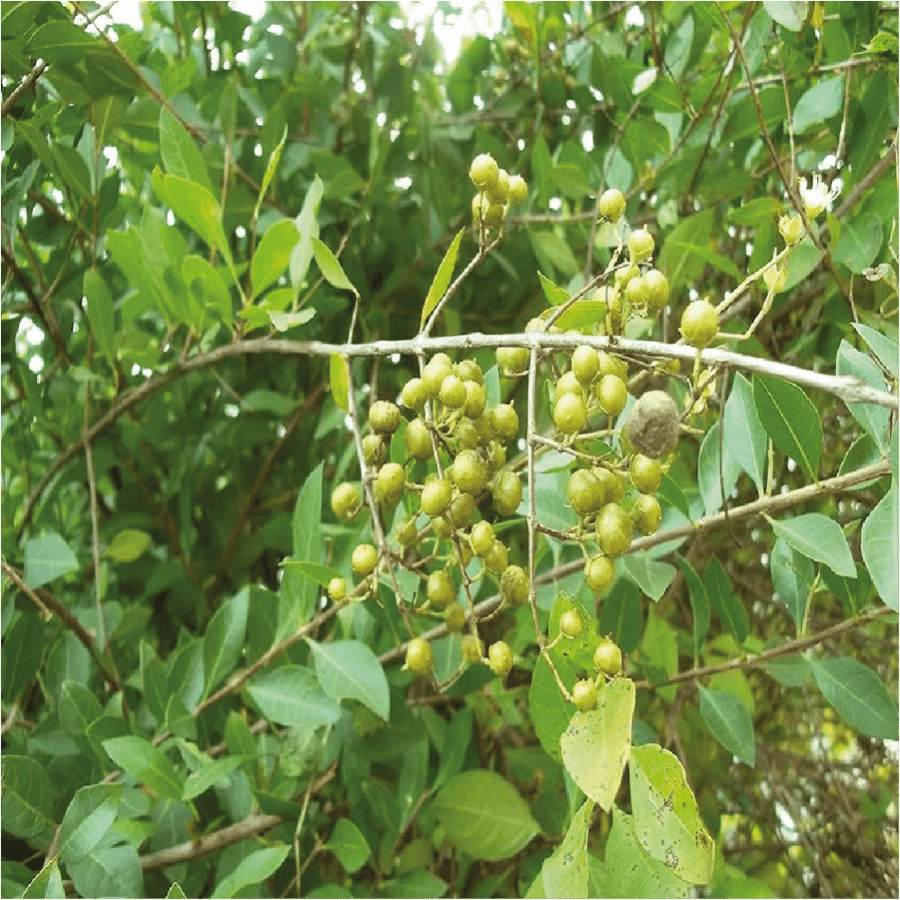

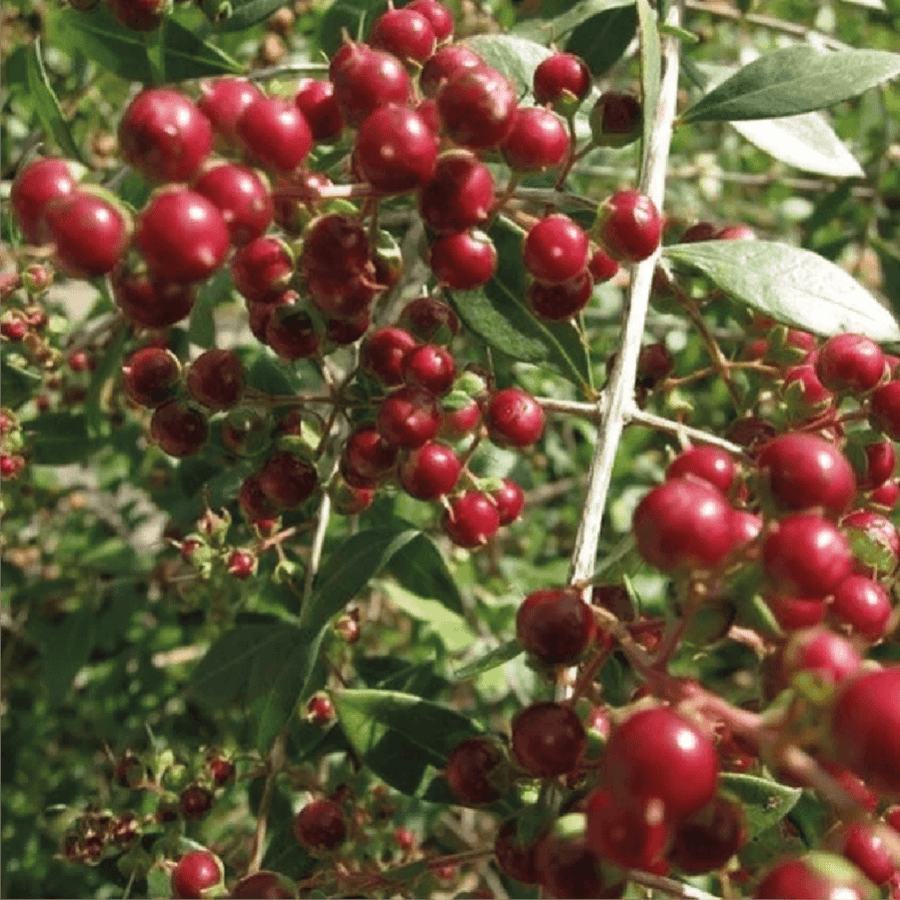

Henna and its scientific name Lawsonia Inermis, a fast-growing plant
16.10ر.س
Product description
The displayed prices do not include shipping fees, which may vary depending on the destination. Please note that: the product size may vary slightly, ranging between 110cm - 70cm.
Note: The images shown here of the product illustrate its features and shape after planting, caring for it, and providing all its needs as shown in the plant description.
Product description:
Henna (Lawsonia inermis) is a small shrub or small evergreen tree belonging to the family of the olive. Henna is particularly famous for its green leaves, which are widely used in dyeing hair and skin, and this tradition has been used for thousands of years in many cultures.
Plant description:
Leaves: The most important part of the henna plant. They are small, oval-shaped, and bluish-green in color. When the leaves dry, they turn reddish-brown, and this is the part used in dyeing.
Flowers: Small, white, fragrant. They appear in clusters in the form of bunches.
Fruits: Small, spherical, brown when ripe. They contain small seeds.
Henna plant care methods:
Henna is a strong plant tolerant of harsh conditions, but some tips help it grow better:
Light: Henna prefers sunny places but also grows in semi-shaded areas.
Soil: Prefers well-drained sandy soil.
Watering: Needs moderate watering, especially during summer. Avoid overwatering, as it may lead to root rot.
Fertilizer: Can be regularly fertilized with organic fertilizer.
Pruning: Can be periodically pruned to maintain its shape and size.
Uses of henna:
Hair dye: Henna is a natural, safe dye for hair, nourishing, strengthening, and protecting it from damage.
Skin dye: Henna is used to draw henna on the body, an ancient tradition in many cultures.
Traditional medicine: Henna leaves are used in traditional medicine to treat many conditions such as burns, wounds, and infections.
Preparing henna for use:
To prepare the henna paste, dry leaves are ground into a fine powder, then mixed with warm water until a creamy consistency is achieved. Some essential oils or natural juices can be added to enhance its color and fragrance.
Note: Before using henna on hair or skin, it is recommended to perform a small allergy test to ensure there is no allergic reaction.

From Al Kharj
Questions you might have