
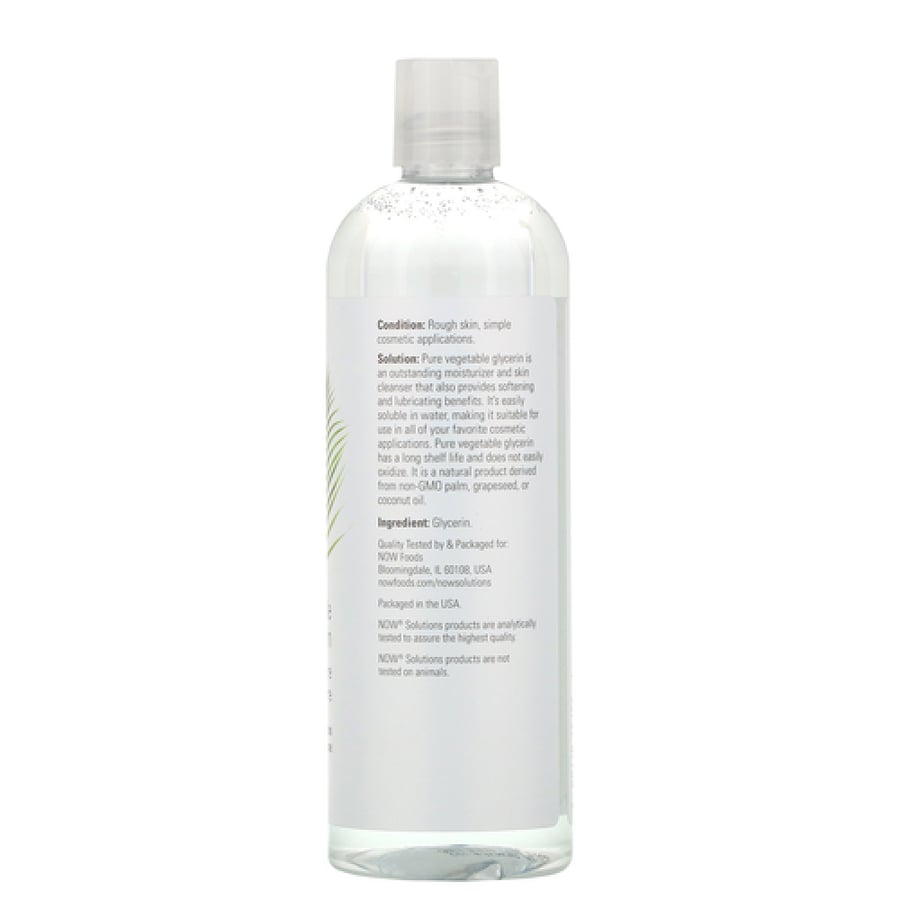
Glycerin oil from Now 473 ml
55ر.س
Product description
Glycerin oil What is glycerin oil for the face? Glycerin is a chemical compound usually extracted from triglycerides found in some types of plants, or from triglycerides of animal origin, and glycerin may come in the form of a thick liquid similar in consistency to oils, and it is a transparent, sweet-tasting, odorless liquid. Glycerin oil is naturally a moisturizing liquid (Humectant), meaning that when applied topically to the skin, it helps hydrate the skin by drawing moisture from the surrounding air and then using it to hydrate the outer layer and the deeper layers of the skin. Because it is a relatively safe and gentle substance on the skin, it is common to use glycerin oil for the face and skin, whether as moisturizing ointments or as a cleanser for various skin types. Benefits of glycerin oil for the face and skin Glycerin oil for the face and skin may have many health and beauty benefits, so here is a list of the most important benefits of glycerin oil for the face and skin: Slowing down skin aging: as glycerin helps provide the skin with the moisture it needs to stay youthful and radiant, thereby delaying the appearance of signs of skin aging and fighting them. Cosmetics Increasing skin softness and elasticity: due to glycerin’s ability to absorb moisture from the surrounding air, applying it to the skin may help keep the skin soft and moist at all times. Accelerating wound healing: it has been found that glycerin has potential to reduce inflammation and fight it, and thus applying it topically to wounds may help speed up healing. Protecting the skin from harmful external substances and factors: because glycerin deeply moisturizes the skin, regular use may help protect the skin from harmful substances found in some cosmetic products, and may also help protect the skin from sunlight. Other benefits of glycerin for the face: include fighting acne, preventing eczema, and moisturizing areas with stubborn skin flakes. How can you use glycerin oil for the face and skin? You can obtain the potential benefits of glycerin oil for the face and skin by using it in several different ways in your daily care routine, as follows: Face cleanser: wash your face and dry it, then dip a small piece of cotton in liquid glycerin and gently wipe it over the face skin, then wash your face with water after a few minutes. Toner and makeup remover: mix a few drops of liquid glycerin with half a cup of plain water or rose water, then gently wipe your face with a small amount of the mixture. Mild burn treatment ointment: dilute glycerin by mixing it with a little water, then gently apply the mixture to the burn area, and leave it for 20 minutes before rinsing with cold water. However, it should be noted that raw liquid glycerin can attract some pollutants and dust from the surrounding air, not just moisture, so before applying it directly to the face, it is preferable to consult a doctor or at least mix it with another substance to reduce its density, such as rose water. Tips for using glycerin oil for the face Although glycerin is generally considered safe for the skin, its use in some cases may cause side effects such as skin irritation, allergic reactions, pimples, and skin dryness. To reduce the chances of any damage or side effects when using glycerin oil for the face and skin, follow these tips and guidelines: Ensure to dilute it in another liquid by mixing a few drops of glycerin with a suitable liquid for your skin, such as plain water or rose water. Try to avoid using glycerin with any sticky creams or ointments, as glycerin is naturally thick and this may bother your skin. Avoid leaving it on the skin for a long time, as doing so may leave your face looking like it has been in water for a long time, especially when applying glycerin as a mask or face wash. Be sure to apply it to a small, unseen area of the skin first to ensure you are not allergic to glycerin, especially if you have not used it topically before. Use glycerin on the skin and face at night before bed, as glycerin may increase skin sensitivity to sunlight.

From Jeddah
Questions you might have