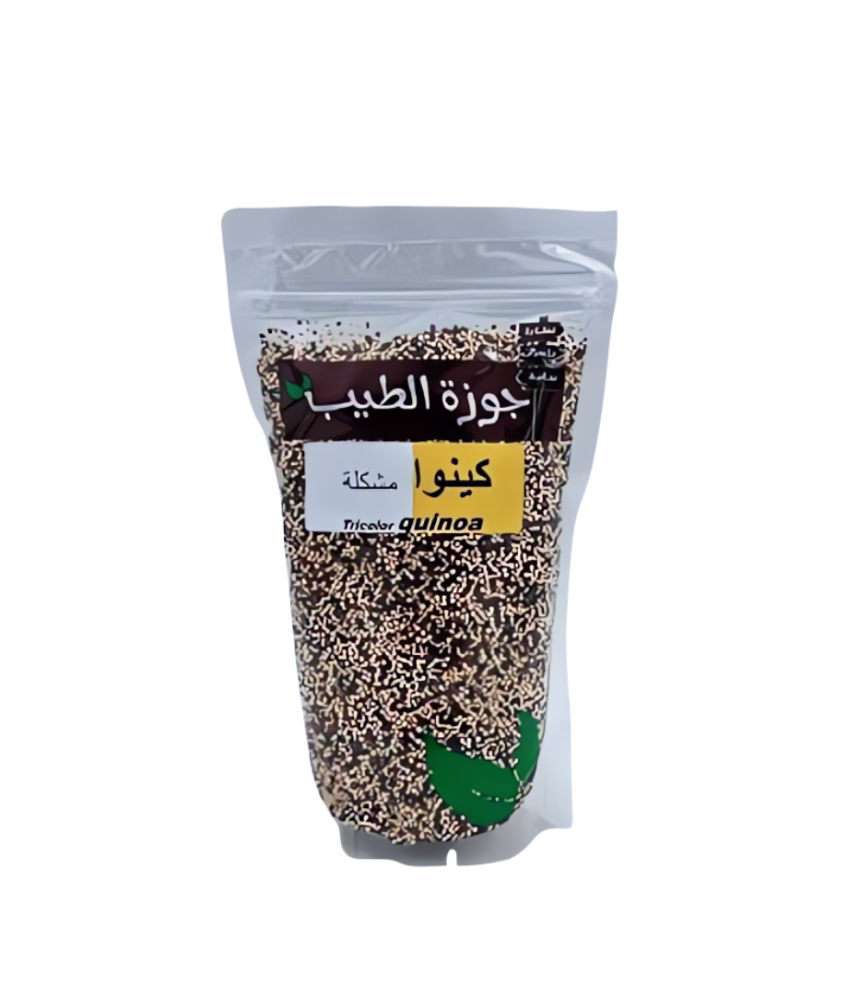
Quinoa 500 grams problem
31.95ر.س
Product description
Quinoa benefits: Rich in nutrients: Quinoa is an excellent source of protein, fiber, iron, magnesium, phosphorus, and B vitamins. Gluten-free: Quinoa is an ideal choice for people with celiac disease or gluten sensitivity. A good source of plant-based protein: Quinoa is a rich source of plant protein, making it an excellent option for vegetarians and vegans. May help with weight loss: Quinoa is high in fiber, which helps you feel full longer, potentially aiding in weight loss. May improve heart health: Quinoa is a good source of fiber and unsaturated fatty acids, which may help lower cholesterol levels and improve heart health. May reduce cancer risk: Quinoa contains antioxidants that may help protect cells from damage caused by free radicals, potentially reducing cancer risk. May improve digestive health: Quinoa is rich in fiber, which helps improve digestive health and prevent constipation. May strengthen bones: Quinoa contains magnesium and phosphorus, two important elements for bone health. May enhance brain functions: Quinoa contains iron and vitamin B6, both essential for brain functions. Harms: May cause digestive irritation: Quinoa contains a high amount of fiber, which may cause bloating and gas in some people, especially if they are not used to high-fiber foods. May cause allergies: Some people may be allergic to quinoa, with allergy symptoms including itching, rash, swelling of the face or throat, difficulty breathing, stomach pain, and nausea. May interact with certain medications: Quinoa contains compounds called saponins, which may interact with some medications, such as blood thinners. Arsenic content: Quinoa contains a small amount of arsenic, a toxic element that can cause health problems if consumed in large quantities. Overall, quinoa is considered a nutritious and healthy grain for most people. However, it is important to be aware of potential risks and consume quinoa in moderation. If you have any health concerns, consult your doctor before eating quinoa. Tips to reduce risks of quinoa: Start with small amounts of quinoa and gradually increase over time. Cook quinoa thoroughly before eating. Drink plenty of water to aid digestion. Consume quinoa with a source of probiotics, such as yogurt or kefir. Rinse quinoa well before cooking. Cook quinoa in a large amount of water. Avoid cooking quinoa with rice, as this can increase arsenic absorption. Note: This information is for guidance only and is not a substitute for medical advice. Consult your doctor before making any major changes to your diet.

From Jeddah
Questions you might have