


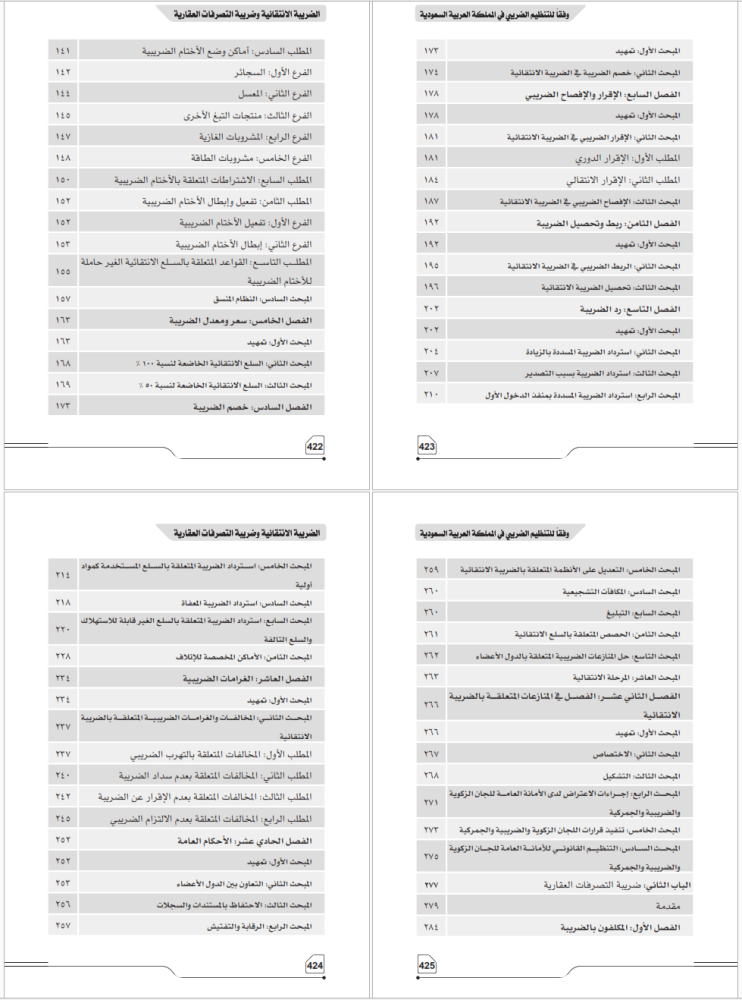

The excise tax and the real estate transaction tax according to the tax regulation in the Kingdom for Dr. Abdullah Al-Luhaidan
115ر.س
Product description
Regarding the book, selective tax is one of the taxes applied in the Kingdom of Saudi Arabia according to the unified agreement for excise tax among Gulf Cooperation Council countries, where the tax is imposed on harmful and luxury goods at specific rates that vary depending on the type of targeted commodity. Also, the selective tax is one of the taxes that most consumers are unaware of, due to the mechanism of its imposition and collection, as it is collected before the goods are offered for consumption, by the importer or producer at the early stages of the trading chain. The main goal of imposing the selective tax is to reduce the negative effects of these goods on public health, given the health damages they cause, which the state seeks to reduce and protect the health of individuals. Based on that, there are many rules and regulations related to the selective tax, whether concerning the taxpayers, the taxable objects, or other primary and secondary elements associated with it, which are important for those interested in tax systems and consumers to understand its application mechanism and increase their overall tax knowledge. Alongside the excise tax, real estate transfer tax is considered one of the newest taxes implemented in the Kingdom of Saudi Arabia, aiming to limit real estate transactions that negatively affect property prices, as real estate is an important sector that the state seeks to organize perfectly to enable everyone to acquire properties at reasonable and affordable prices. To achieve this, the real estate transfer tax is levied cumulatively on every real estate transaction, making the purpose of owning the property acquisition rather than speculation or trading. Despite imposing this tax, the tax legislator has approved exemptions on many transactions that cannot be taxed, for various reasons depending on the nature of the transaction. Both the excise tax and the real estate transfer tax are classified as indirect taxes, due to their connection to consumption and trading, which requires specific regulations for each. Accordingly, the tax legislator has been keen to formulate tax systems that ensure the correct imposition of the tax, aiming for optimal application without harming any party, but rather to serve the public interests that benefit society and enhance its economic and social stability.

From Riyadh