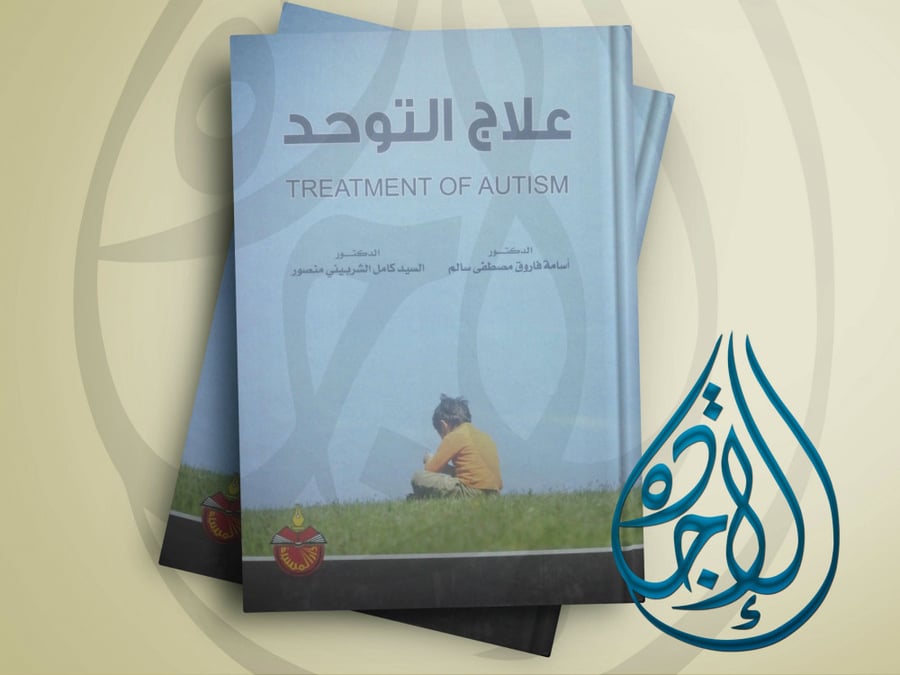
Autism treatment Dr. Osama Farouk Mustafa Dr. El-Sayed Kamel El-Sharby
86.25ر.س
Product description
Autism treatment Dr. Osama Farouk Mustafa Dr. Al-Sayed Kamel Al-Sharbin This is the third book in the autism books series, the first book in this series addressed the causes of autism, diagnosis, and treatment, and it was briefly written and published in 2011, the second book presented the features of autism (physical, linguistic, behavioral, social, cognitive, and psychological) and was published in 2011, and the third book is dedicated to autism treatment, as it discusses rehabilitation and treatment of autistic children in terms of internationally approved programs and other non-approved programs, which addressed various therapeutic intervention aspects. There are many different treatments available for autism, and new types of treatments emerge constantly through the diligent work of research centers in all activities. However, choosing the appropriate treatment for the autistic child remains not easy, and this may be due to the child's nature, parents' satisfaction with the effectiveness of the treatment, etc. Undoubtedly, therapeutic intervention depends on identifying the factor or factors causing the disorder. Since science, despite extensive research aimed at treating autism, has not yet reached an exact determination of the causes of autism, it is expected to be difficult to develop successful treatments for autism. The book consists of fifteen chapters, the first chapter defines autism, its prevalence rates, and causes, and the second chapter presents the most important available therapeutic interventions, including psychoanalytic therapy, behavioral therapy, play therapy, physical therapy, medical treatment, and biological treatments other than psychiatric drugs such as secretin, vitamin B6 with magnesium, melatonin, dimethylglycine. The third chapter discusses the most important educational programs, including applied behavioral analysis, Teach program, Lipp program, Douglas Center for developmental disorders, Fast Forward method, daily life therapy (Higashi School), while the fourth chapter covers dietary treatment. The fifth chapter discusses behavioral and emotional disorder treatment. The sixth chapter is dedicated to treating cognitive process deficiencies, including attention, memory, imagination ability, and thinking. The seventh chapter covers sensory and developmental therapies such as sensory integration therapy, auditory integration training, Erlin lens, hugging machine, dolphin therapy, music therapy, and developmental methods like hugging therapy and Doman-Dilato method. The eighth chapter discusses art therapy, its goals and importance, arts and individuals with special needs, characteristics of drawing among autistic children, the role of art teachers when presenting artistic activities to autistic children, principles to consider in designing and implementing artistic activity programs for autistic children, and the role of art teachers when providing artistic activities. The ninth chapter covers training to develop life skills, and the tenth chapter focuses on training to develop social skills: its importance, methods of choosing and developing social skills, problematic behaviors, teaching methods in the school curriculum, social stories, and the center-based play program ("Floortime"). The eleventh chapter discusses training to develop communication skills, emphasizing the most used methods such as facilitated communication, picture exchange communication system (PECS), and Miller method. The twelfth chapter is about training to develop academic skills, while the thirteenth chapter covers inclusion, its goals, requirements, pros and cons, difficulties, conditions, and strategies. The fourteenth chapter discusses vocational rehabilitation for autistic individuals, its definition, goals, steps, and the importance of early intervention in vocational rehabilitation. Finally, the fifteenth chapter covers family counseling, its concept and goals, family reactions to autism, main issues and pressures faced by families of autistic children, family counseling for autistic children, justifications for early counseling intervention, characteristics of the therapeutic program in the pre-school stage, potential benefits of parental participation in early intervention programs for autistic children, tips for parents and teachers of autistic individuals, ways for families to face autism problems, facilitating cooperative relationships, parent training programs, and the counseling team.
Contents
1. Introduction to Autism
Introduction
Definition of Autism
Prevalence rates of autism
Causes of autism
2. Therapeutic interventions
Introduction
Searching for treatment
Most important therapeutic interventions
First: Psychoanalytic therapy
Second: Behavioral therapy
Third: Play therapy
Fourth: Physical therapy
Fifth: Medical treatment
Factors to consider when administering psychiatric drugs for autistic individuals
First: Antipsychotic drugs
Second: Antidepressants
Third: Anti-anxiety drugs
Fourth: Anticonvulsants
Fifth: Psychostimulants
Sixth: Biological treatments other than psychiatric drugs
Reasons for parents choosing medication
Important steps when taking medication
Effects of medication
Ideas for medication placement
Differences in treatment response
3. Educational programs
Applied behavioral analysis
Teach program
Principles and methods of Teach program
Role of the family in the Teach program
Lipp program
Douglas Center for developmental disorders
Fast Forward method
Daily life therapy (Higashi School)
Facilitated communication
Picture exchange communication system (PECS)
Miller method
4. Dietary therapy
Introduction
Importance of good nutrition and autism
Nutritional image in autistic individuals
Steps to overcome eating disorders in autistic individuals
Nutritional supplements that help autistic individuals
Meals preferred by autistic individuals
Treating immune system disorders
Other methods to modify eating disorders in autistic individuals
5. Treatment of behavioral and emotional disorders
Behavioral disorders
Strategies for disruptive behavior
Treatment of aggressive behavior
Self-harm treatment
Treatment of stubbornness
Managing challenging behaviors
Treatment of sexual disorders
Hyperactivity treatment
Anger management
Sleep disorders treatment
Elimination disorders treatment
Repetitive behaviors
Family therapy and its effect on reducing repetitive behaviors
Emotional disorders
Anxiety disorders in autistic individuals
Treatment of anxiety disorders in autistic individuals
Mood disorders in autistic individuals
Treatment of mood disorders in autistic individuals
6. Treatment of cognitive process deficiencies
Attention
Attention training
Memory
Memory training
Imagination ability
Improving imagination ability
Thinking
Thinking deficiencies treatment
7. Sensory and developmental therapies
Introduction
Sensory integration therapy
Auditory integration training
Erlin lens
Hugging machine
Dolphin therapy
Music therapy
Developmental methods such as hugging therapy, Doman-Dilato method
8. Art therapy
General goals of art education
Art activities and play
Importance of art therapy for children
Arts and individuals with special needs
Characteristics of drawing among autistic children
Organizing the workspace
Building relationships
Flexibility
Helping the child with self-control
Respecting artistic choices
Feeling comfortable through close communication
Allow yourself to love them
Be cautious of burnout or exhaustion
Socialization and communication
Be aware of the child's communication method and how to support it
Reward appropriate social behavior whenever possible
Observe body language
Self-monitoring and setting good examples
One artwork: "Friends' Boxes"
Role of the art teacher when presenting artistic activities to the autistic child
Principles to consider when designing and implementing artistic activity programs for autistic children
Key values and goals children with autism gain from practicing and enjoying arts
General educational guidelines for teachers during art education
Autism and artistic innovation
Arts professionals
Art skills that the autistic child should learn
9. Training to develop life skills
Concept of life skills
Importance of life skills
Classification of life skills
Characteristics of life skills
Factors influencing the development of life skills
Principles of learning life skills
Daily skills for autistic individuals
10. Training to develop social skills
Importance of social skills
Choosing social skills for training
Developing social skills in young children
Training methods for skills
Aspects of developing social skills
Strategies for socially inappropriate behaviors
Friendship in autistic children
Negative factors affecting the development of friendships in autistic children
Strategies
Social interaction skills in autistic children
Social communication skills in autistic children
Developing communication skills in autistic children
Some useful games
Social withdrawal and isolation
Speaking skills
Strategies
Initiative and developing conversations
Body language and gestures strategies
Facial expressions and eye contact strategies
Teaching social skills through the curriculum
Social stories and the autistic child
General notes on story preparation
Center-based play program ("Floortime")
11. Training to develop communication skills
Definition of communication
Important points in communication
Listening
Strategies
Literal understanding strategies
Training the autistic child on pronunciation and expression
Understanding language
Language growth
Developing receptive language in autistic children
Linguistic concepts
Facilitation or repetition as speech facilitators
Steps to assist in facilitation
12. Training to develop academic skills
Educational strategies for autistic children
First: Stimulation
Second: Attention and visual communication training
Third: Teaching the autistic child communication through pictures
Preparing the environment inside the classroom
Educational approach and classroom management
Organizing study materials
Teaching methods
Main educational obstacles faced when teaching autistic children
Individual educational program
Conditions for a good program
Program components
Program requirements
Stages of the individual plan
Evaluating the individual plan
Parents' role in the individual educational program
Developing a personal program plan
Teaching mind-reading to autistic children
Teaching language to autistic children
Sequencing skills
Teaching reading skills to autistic children
Importance of writing skills
Teaching mathematical concepts to autistic children
13. Inclusion
Introduction
Goals of inclusion
Requirements of the inclusion process
Recognizing educational needs of children
Preparing educators
Preparing teachers
Preparing curricula and educational programs
Preparing and orienting families
Choosing the inclusion school
Preparing and orienting students
Selecting suitable children for inclusion
Inclusion models
Comprehensive inclusion model
Partial inclusion model
Permanent spatial and social inclusion model
Temporary spatial and social inclusion model
Reverse inclusion
Targeted aspects in inclusion
General benefits of inclusion
Benefits of including autistic children
Negative aspects of inclusion in general
Difficulties in including autistic children
Conditions for including autistic children
General strategies for teaching and interacting with autistic children in regular classrooms
Steps to include autistic children in regular schools
14. Vocational rehabilitation for autistic individuals
Definition of vocational rehabilitation
Goals of vocational rehabilitation for autistic individuals
Steps of vocational rehabilitation for autistic individuals
Goals of individualized guidance for the disabled
Vocational training
Employment principles
Principles of employing autistic individuals
Importance of early intervention in vocational rehabilitation for autistic individuals
Therapeutic intervention before school enrollment
15. Family counseling
Concept of family counseling
Goals of family counseling
Family reactions to autism
First: Shock stage
Second: Denial stage
Third: Anger stage
Fourth: Guilt stage
Fifth: Depression
Sixth: Fear and anxiety
Seventh: Acceptance of reality
Problems and pressures faced by families of autistic children
Family counseling for families of autistic children
Justifications for early counseling intervention
Characteristics of the therapeutic program in the pre-school stage
Potential benefits of parental participation in early intervention programs for autistic children
For the child
For parents
For professionals
Tips for parents and teachers of autistic individuals
Ways for families to face autism issues
Facilitating cooperative relationships
Parent training programs
Counseling team
Is recovery possible?
References

From Riyadh
Questions you might have