Product description
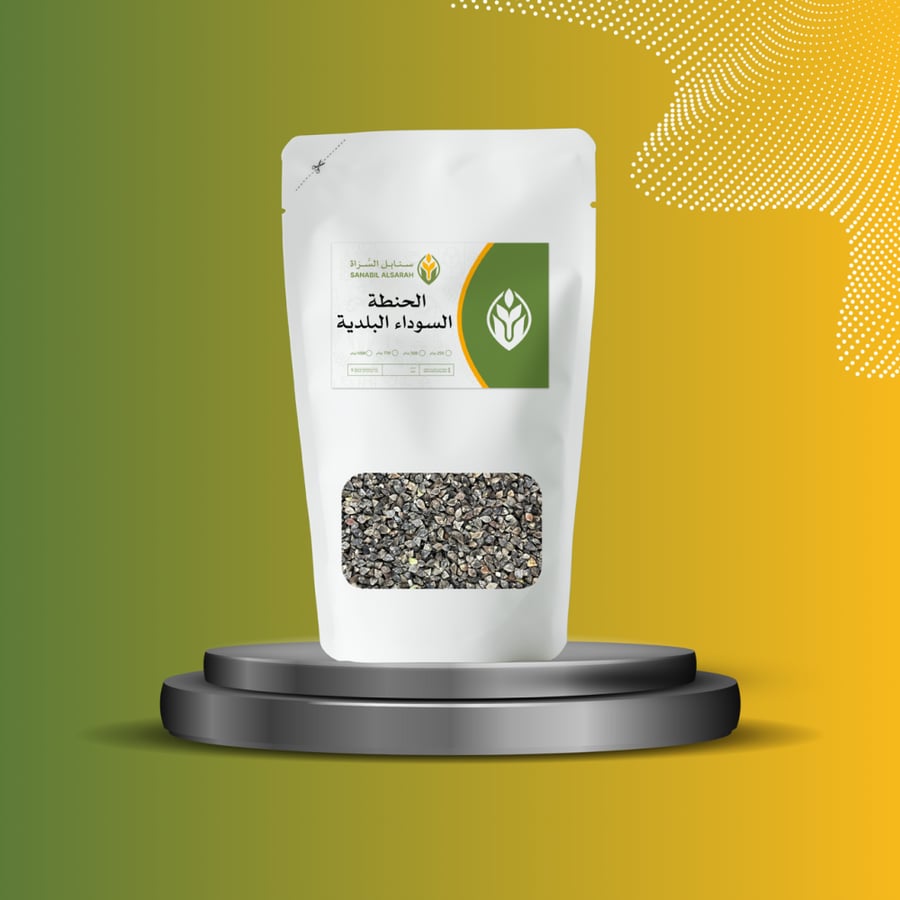
Local Buckwheat production in Al-Baha region, Al-Sara'a organic farm; grinding option available for the crop through product options.
What is buckwheat?
Buckwheat (Buckwheat) descends from the family of pseudocereal crops, just like quinoa, and has no relation to wheat as some may think, as each is a different type of grain.
Buckwheat is characterized by being gluten-free, which may make it a good alternative to wheat for people suffering from gluten sensitivity or certain digestive problems triggered by wheat products.
It may also be considered one of the grains with high nutritional value, especially as it contains a high percentage of dietary fiber, antioxidants, and various minerals, making it a recommended food to fight many diseases, such as obesity, high blood pressure, and diabetes.
Buckwheat is used in many foods we use in our daily lives, such as instant noodles and flour, and is usually used as animal feed.
There are two types of buckwheat, and the taste of roasted grains is similar to nuts.
Benefits of buckwheat
Here is a list of the most important nutritional benefits of buckwheat:
1. Improving digestive health
Regular consumption of buckwheat may help improve digestive health by:
Improving digestion, as it contains a relatively high amount of dietary fiber, which helps facilitate food movement through the digestive tract and thus combat various digestive problems such as constipation.
Reducing the risk of infections and cancers of the digestive system, as it contains a high percentage of antioxidants that fight harmful oxidation processes in the digestive tract.
Nourishing beneficial gut bacteria and fighting some types of harmful bacteria that may cause various diseases in the digestive system.
2. Cancer prevention
Due to its high content of dietary fiber and antioxidants, regular consumption may help reduce the risk of some types of cancer, such as breast cancer and colon cancer.
It has been found that buckwheat may have an effective impact in reducing the risk of breast cancer specifically, especially in women who have passed menopause.
3. Losing excess weight
Because of its richness in dietary fiber, buckwheat may be one of the foods that can help with weight loss when eaten regularly as part of a balanced diet, as fiber helps slow digestion, suppress appetite, and promote a feeling of fullness for longer periods during the day.
It also features a low calorie content relative to its high content of many essential nutrients.
4. Improving blood sugar levels
Dietary fiber plays an important role in maintaining stable blood sugar levels and preventing sudden spikes. Therefore, regular consumption may help improve blood sugar levels due to its relatively high content of dietary fiber.
Buckwheat is also considered a low glycemic index food, making it recommended for people with type 2 diabetes.
5. Improving cardiovascular health
Regular consumption of buckwheat may help improve cardiovascular health because it contains nutrients that may help to:
Lower bad cholesterol levels in the body.
Lower high blood pressure.
Reduce the risk of various heart diseases.
Read more on WebTeb: https://www.webteb.com/articles/%D8%A7%D9%84%D8%AD%D9%86%D8%B7%D8%A9-%D8%A7%D9%84%D8%B3%D9%88%D8%AF%D8%A7%D8%A1_23220

From Jeddah