


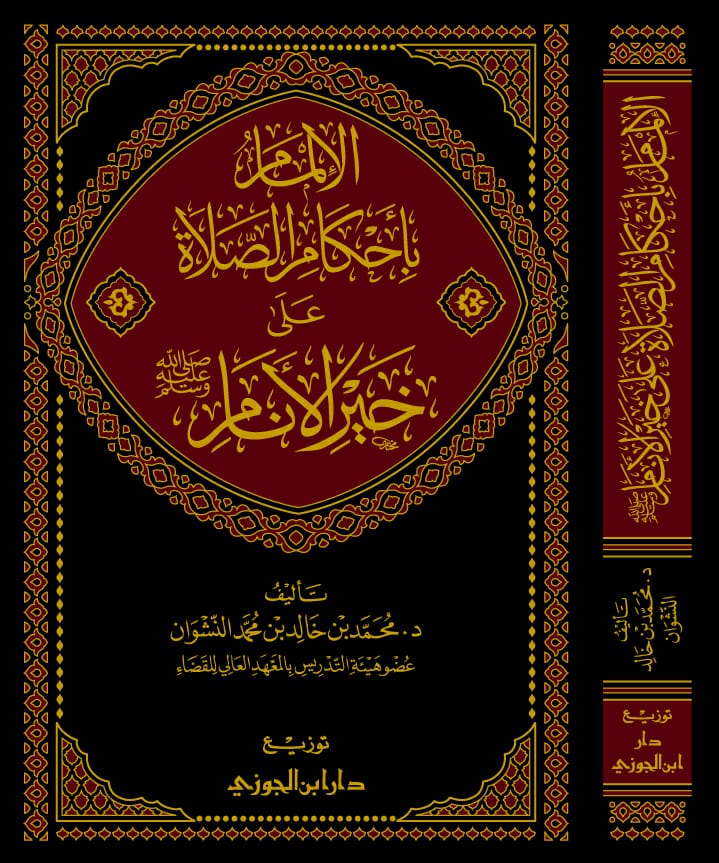
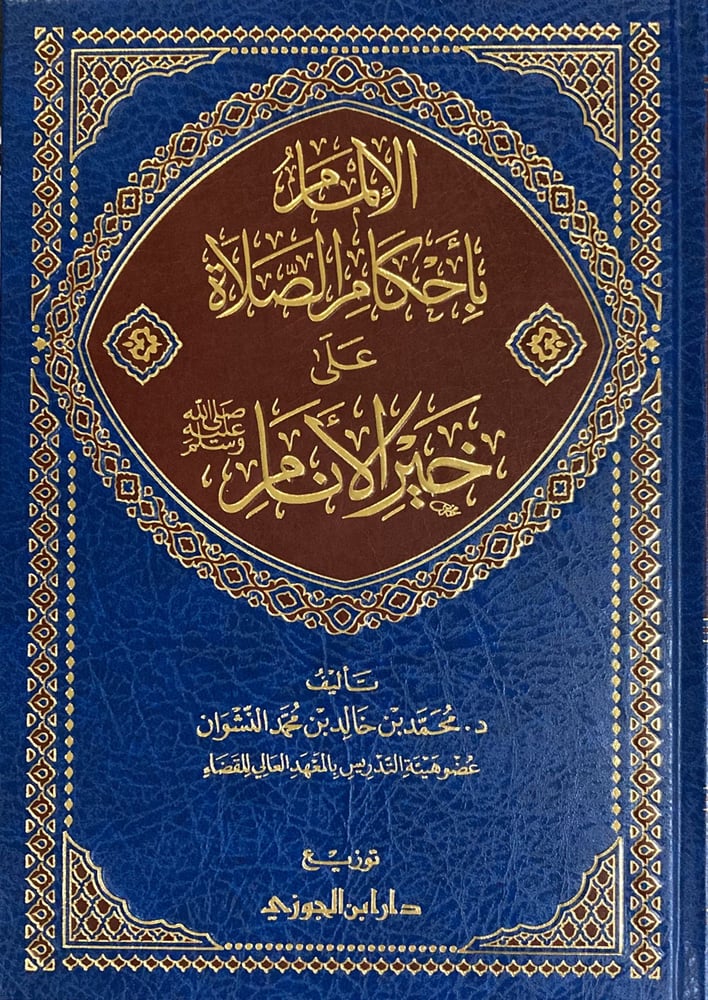
Familiarity with the rules of prayer on the best of creation
23ر.س
Product description
Authorship: Dr. Muhammad bin Khalid bin Muhammad Al-Nashwan
Part of the introduction
Praise be to Allah, Lord of the worlds, and prayers and peace be upon our Prophet Muhammad, the most honorable of prophets and messengers, and upon his family, companions, and those who follow them in goodness until the Day of Judgment.
As for what follows: The status of the Prophet, peace be upon him, in the hearts of the believers is a noble position and a lofty rank. Allah sent him at a time of a gap among the prophets and a decline in the ways; so Allah guided through him a people from misguidance, illuminated hearts from darkness, and made obedience to him, love for him, honoring, respecting, and fulfilling his rights obligatory upon the servants. He is the transmitter of the rulings of this religion, and through him, Allah sealed the prophets and messengers.
All praise is due to Allah, who sent among us the bearer of good news, the illuminating lamp, guiding to His pleasure, calling to His love, and indicating the way to His gardens. May Allah’s blessings and peace be upon him.
Among the noble issues related to our Prophet, peace be upon him, is “sending blessings and peace upon him,” as Allah, the Most High, commanded us in His saying:
Indeed, Allah and His angels send blessings upon the Prophet. O you who have believed, ask [Allah to send] blessings upon him and ask [Allah to grant him] peace. (56)
Regarding sending blessings upon him, the Prophet, peace be upon him, said:
“Whoever sends blessings upon me once, Allah will send blessings upon him ten times.”
And scholars have continued to dedicate writings and chapters concerning the Prophet, peace be upon him, whether about his virtues, his qualities, his biography, or his ranks.
And the jurists usually mention in the book of marriage a section on the rulings specific to the Prophet. One of the important issues that jurists address in their legal writings is the rulings concerning sending blessings upon the Prophet, which are often scattered within their books. Their presentation varies from one scholar to another in terms of comprehensiveness, so there was a need to compile these issues and clarify their rulings, by explaining the legal obligation of sending blessings upon the Prophet in the contexts in which it is mentioned, and understanding what is legislated and what is not, as well as the occasions where it is recommended to send blessings upon him and those where it is disliked or not recommended, whether in acts of worship or transactions. The issues related to this are based on the original (1).
Al-Tahṭāwī, the Hanafi scholar (d. 1231 AH), pointed out the difference in rulings regarding sending blessings upon the Prophet, stating:
Know that it is divided into six categories: obligatory, mandatory, Sunnah, recommended, disliked, and forbidden. (3)
Importance of the topic and reasons for choosing it:
1- The connection of this topic with Allah’s Messenger, peace be upon him, is sufficient as an honor and virtue, especially since sending blessings upon the Prophet has been emphasized and its virtue explained in many reports. Therefore, clarifying its rulings and issues is of great importance.
2- The numerous jurisprudential branches related to sending blessings upon the Prophet, peace be upon him; Ibn al-Qayyim (d. 751 AH) counted forty-one places in his book “Jala’ al-Afhām” where sending blessings upon the Prophet is mentioned, and Al-Hafiz Al-Sakhawi (d. 902 AH) in “Al-Qawl Al-Badi’” extended it to fifty-eight places, among many other scholars. I merely intended to indicate the abundance of issues in this chapter.
3- A group of later jurists mentioned several places where blessings are sent upon the Prophet, peace be upon him, and arranged rulings related to them. Some of these rulings are not supported by authentic evidence, such as the recommendation by some jurists to send blessings upon the Prophet when eating radish or rice. Therefore, distinguishing the correct rulings became necessary.
4- There has been no comprehensive study on this subject in the form of a jurisprudential research; most writings in this field concern the virtues of sending blessings upon the Prophet, peace be upon him, and the benefits and fruits derived from it. It is also important to address other related matters, such as clarifying its rulings, issues, and tracking them in their proper places through study and detailed analysis.

From Dammam