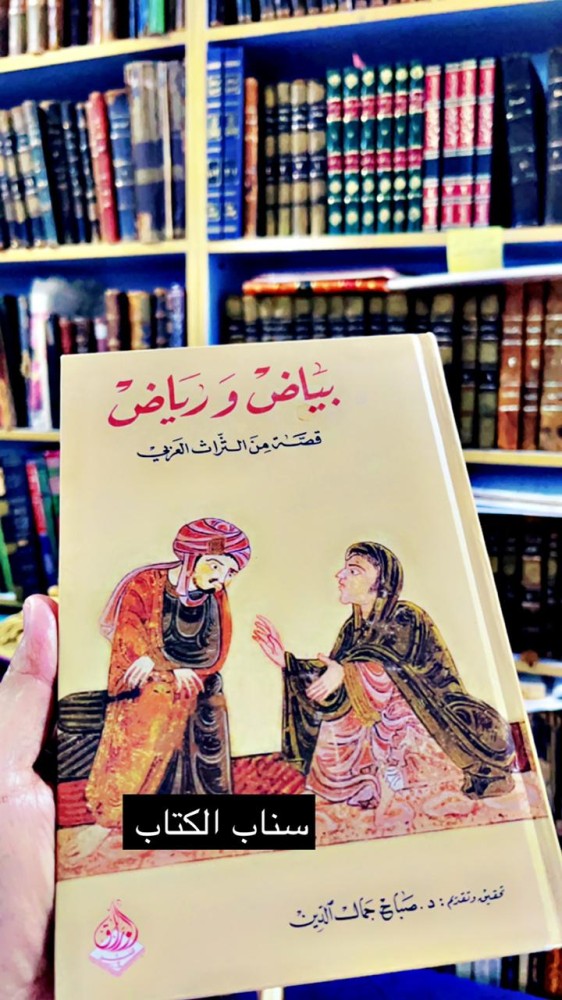


White and Riyadh, a story from Arab heritage
70ر.س
Product description
White and Riyadh story from Arab heritage, introduction verified by the book author. Good morning, جمال الدين. It seems that the book was transferred to France then to Rome, by the Spanish king Charles V who became the Holy Roman Emperor, and most literary historians believe that this book originally was in Tunisia. Professor R. Nickel was interested in translating the book into Spanish, and it is believed that the manuscript was written in the seventh Hijri century, which marks the beginning of modern Arabic storytelling. The story involves a romantic tale between the son of a Syrian merchant and a slave girl in the house of a Moroccan or Andalusian prince, narrated through dialogues by an old woman who played a role in bringing the two lovers closer. It is also believed that the renowned Ibn Zureik is the author, famous for the poem: Do not blame him, for blame ignites his passion / I have truly spoken but he does not hear.
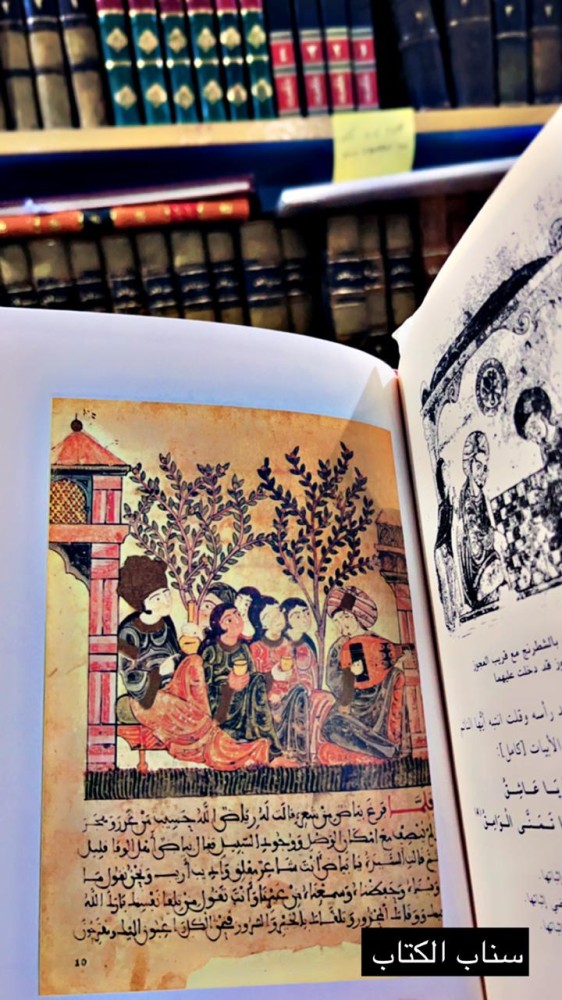
There is another note that caught my attention greatly, which is the illustrations that appeared between the texts of some important scenes, for example, but not limited to, the clothing, trees, the exterior courtyard of the palace, and the waterwheels found along the Euphrates River, as well as the miniatures in Arabic art.
Introduction by R. Nickel, New York, December 1940. During my stay in Rome, in 1934, Professor Giorgio Levi Della Vida drew my attention to the Arabic manuscript number 368. When I examined it, I found it consisted of thirty pages written in a beautiful Moroccan script, most of its words accompanied by their pronunciation, and it was decorated with fourteen beautiful miniatures dating back to the seventh Hijri century, the thirteenth Gregorian century.
Characters:
1. The Vizier: appears as if he is one of the Taifa kings in Andalusian history.
2. The Lady: daughter of the vizier, responsible for the harem and the slaves of the palace.
3. The Old Babylonian: the narrator of the story and the central figure around whom the attempts to meet the beloved with her lover revolve, due to her position with the vizier and his daughter.
4. Riyadh: the slave girl infatuated with whiteness.
5. Baiadh: son of the Syrian merchant who was entrusted to the old Babylonian by his father and is in love with Riyadh.
6. Slave girls, named as they appear in the story: Kahab, Shumul, Ghaidah, Aqar, Madam, Taroub, Surur, Hawa, Ataa, La’ba, and La’eb.
7. The young man close to the old Babylonian.
The story of Baiadh and Riyadh:
He spends his days and nights in his dreams, expecting nothing but suffering or death. The old woman said: When the girl finished her singing, the vizier said to her: Your heart is harsh on your beloved, O Kaa’eb. She replied: Yes, by your life, my lord. Then she looked at the vizier and said to me: O sister, isn’t this girl beautiful? I said: Yes, may Allah bless my master the vizier. Then he called out, O La’eb, and another girl appeared, her breasts like two apples on a marble tray, white and blonde, and I looked at her legs, which had two gold anklets adorned with precious jewels. When she walked, her gait was mesmerizing despite her young age, with beauty, flirtation, and arrogance. She said: At your service, my lord and master. He said to her: Call Riyadh.
The Ibn Aaidh Bookstore Rare Collection

Questions you might have