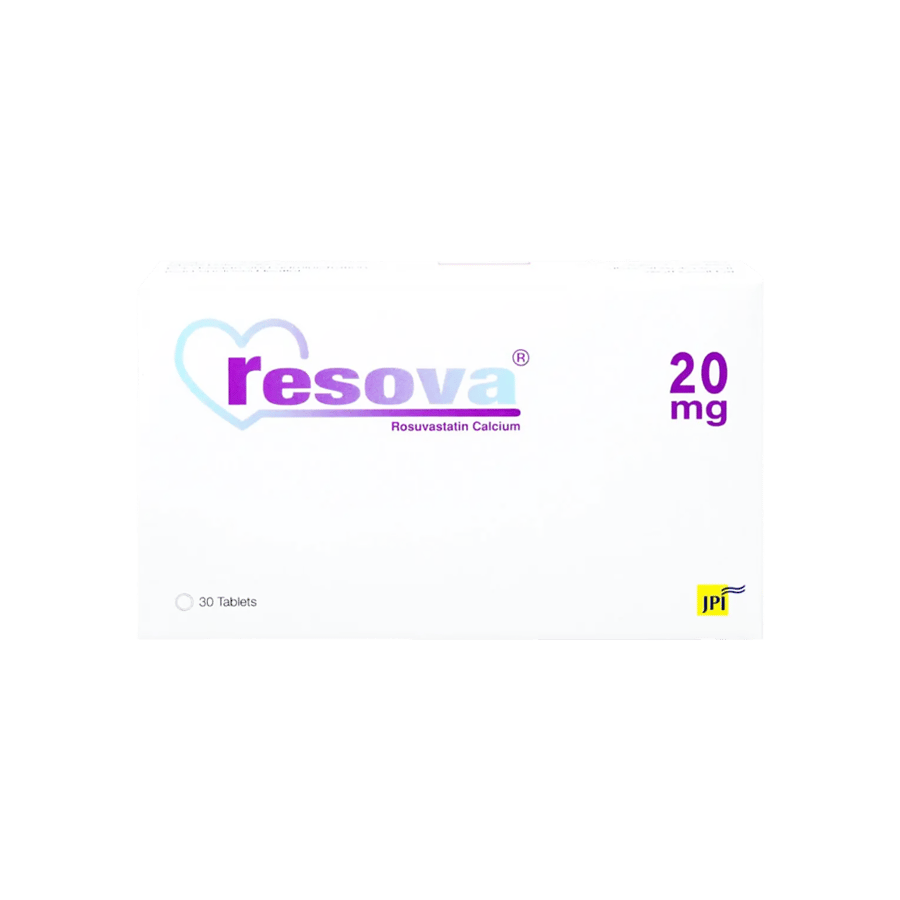

Resova 20 mg 30 tablets
115.45ر.س
Product description
Resova 20 mg tablets 30 tablets active ingredient Rosuvastatin What are the uses of Resova? Used with dietary therapy to treat the following: prevention of the risk of cardiovascular diseases in patients with high cholesterol blood with coronary heart diseases or at risk of coronary artery diseases: reduce rates of heart diseases (myocardial infarction and coronary / non-coronary revascularization procedures) and deaths; and reduce the risk of stroke. Hyperlipidemia: to reduce total cholesterol, low-density lipoprotein (LDL) cholesterol, apolipoprotein B, triglycerides, very low-density lipoprotein, and increase high-density lipoprotein in patients with primary hypercholesterolemia. Familial hypercholesterolemia. What are the contraindications of Resova? Active liver disease. Unexplained elevation in liver function tests (elevated aminotransferase enzymes). Breastfeeding. Pregnancy. Hypersensitivity to any component of the medication. What are the side effects of Resova? The most common side effects: headache; mild muscle pain; joint pain; back pain; mild nausea; stomach pain or indigestion; constipation, or sleep problems (insomnia). What are the precautions for using Resova? A diet to lower cholesterol should be continued during treatment with this medication. In very rare cases, this medication may have side effects on muscles. Therefore, you should inform the doctor immediately if you experience any symptoms such as muscle pain, cramps, or weakness while taking this medication. It is advisable to avoid drinking large amounts of alcohol while taking this medication. Caution is advised in the following cases: decreased kidney function; history of liver disease; history of alcohol dependence; thyroid gland disease; history of muscle side effects during previous treatment with statins or fibrates; hereditary muscle disorders; patients over 70 years old. The use of Rosuvastatin 40 mg/day is prohibited in Asian patients. Pregnancy: It should not be given to pregnant women, as it may harm the fetus. Breastfeeding: It is excreted in breast milk, and should not be given to breastfeeding women. What are the drug interactions of Resova? If you are taking any of the following medications, inform your doctor or pharmacist, as dose adjustments or specific tests may be needed: Amiodarone, Amlodipine, azole antifungals (such as itraconazole, ketoconazole, posaconazole, voriconazole), Colchicine, Cyclosporine, Danazol, Daptomycin, Dilevaleridine, Diltiazem, Dronedarone, Fenofibrate (e.g., Gemfibrozil, Clofibrate, Fenofibrate), Fosfomycin, Boceprevir, Telbivudine, Ritonavir, Emtinib, macrolide antibiotics (such as Clarithromycin, Erythromycin), Mebeverine, Nefazodone, Niacin, Ranolazine, Risperidone, Dalfopristin, Quinupristin, Tylosin, or Verapamil, as they may increase the risk of muscle or kidney problems. Carbamazepine, Etravirine, Rifampin, St. John’s Wort, anticoagulants (such as Warfarin), Digoxin, Tacrolimus. What are the forms of Resova? Coated tablets 10 mg, 20 mg. What are the storage conditions of Resova? Store at a temperature between 20 - 25°C, away from moisture.

From Saihat