
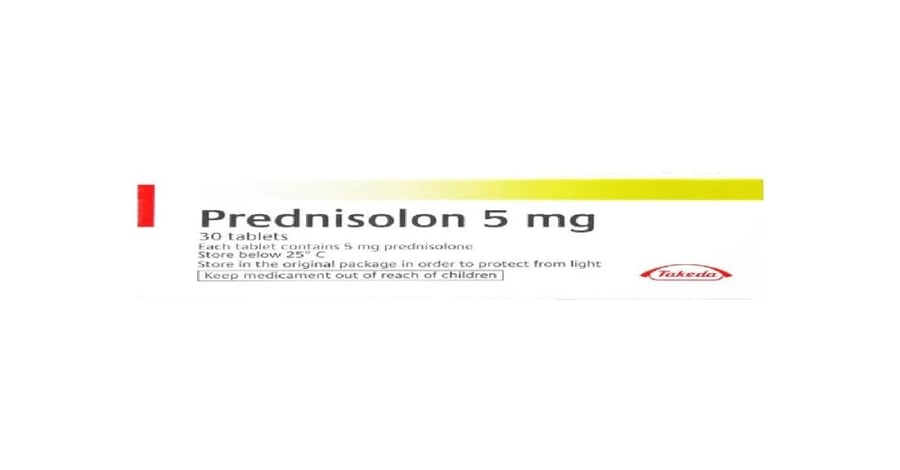
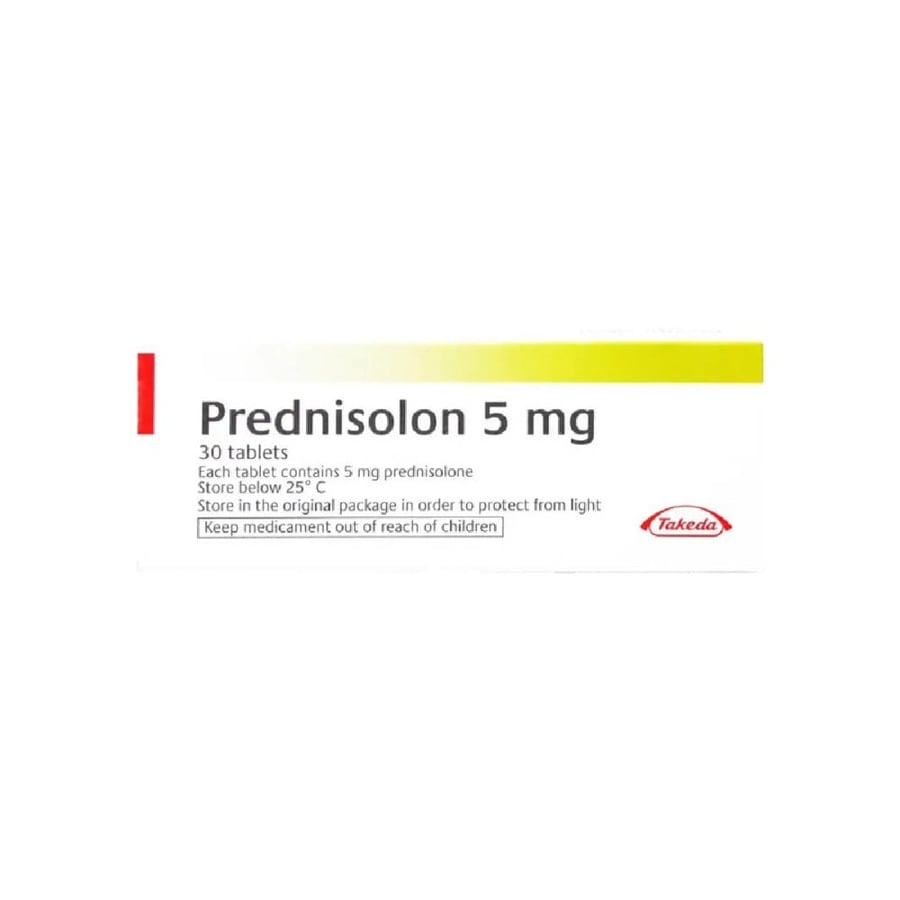
Prednisolone 5 mg tablet
17.10ر.س
Out of Stock
Product description
Prednisolone 5mg tablets
What are the uses of Prednisolone (medication Prednisolone)?
The uses of Prednisolone are many, and it is so versatile that it contributes to the treatment of almost every disease. Below are some of those uses:
Endocrine disorders.
Congenital adrenal gland hypertrophy.
Hashimoto's thyroiditis.
Hypercalcemia associated with cancer and rheumatic diseases, used as an adjunct treatment and for a short period during disease exacerbation.
Psoriatic arthritis.
Rheumatoid arthritis.
Ankylosing spondylitis.
Bursitis.
Tendon and sheath inflammation.
Gouty arthritis.
Osteoarthritis.
Collagen diseases.
Lupus erythematosus.
Rheumatic myocarditis.
Dermatological diseases.
Pemphigus.
Psoriatic dermatitis.
Seborrheic dermatitis.
Allergic conditions, especially severe allergy cases that cannot be controlled with other treatments.
Allergic rhinitis.
Asthma.
Contact dermatitis.
Atopic dermatitis.
Hypersensitivity reactions.
Severe lichen planus with blisters.
Severe psoriasis.
Eye diseases.
Allergic conjunctivitis.
Corneal inflammation.
Corneal ulcers.
Iritis.
Conjunctivitis.
Optic neuritis.
Drug-induced conjunctivitis.
Respiratory system diseases.
Hematological disorders.
Secondary thrombocytopenia in adults.
Hemolytic anemia.
Leukemia, lymphoma, and lymphatic tumors in adults.
Acute leukemia in childhood.
Gastrointestinal diseases.
During critical periods of ulcerative colitis.
Enteritis.
Multiple sclerosis exacerbation.
Primary or secondary adrenal cortex insufficiency.
What are the contraindications of Prednisolone (medication Prednisolone)?
Prednisolone should not be used without consulting a specialist doctor in the following cases:
Hypersensitivity to this medication.
Severe infections.
Systemic fungal or viral infections.
Administering live virus vaccines to immunosuppressed patients.
Meningitis.
Herpes simplex eye inflammation.
What are the precautions for using Prednisolone (medication Prednisolone)?
Prednisolone should only be used under direct medical supervision in the following cases:
Thyroid disease.
Liver disease.
Kidney disease.
Heart disease.
Diabetes mellitus.
Myasthenia gravis.
Osteoporosis.
Gastrointestinal diseases.
Adrenal insufficiency.
Additional precautions include:
Following the doctor’s instructions carefully during prolonged eye use, as it may lead to increased intraocular pressure or glaucoma, optic nerve damage, visual acuity issues, and vision problems.
Monitoring intraocular pressure routinely if used for 10 days or more.
Vaccination should be administered one month after stopping Prednisolone in patients taking corticosteroids for more than 14 days and needing immunization.
In children receiving corticosteroid treatment, gamma globulin is recommended if they are exposed to viral infections during childhood and have no acquired immunity, and live viral vaccines should also be given.
Dose regimens should be used intermittently if treatment extends beyond six months to reduce the risk of growth impairment.
It should be avoided during pregnancy and breastfeeding, as there is not enough information about its safety in both conditions.
Prednisolone and Cushing's syndrome
Use of Prednisolone may cause Cushing's syndrome, with symptoms such as:
Moon face, buffalo hump.
Red striae: on the abdomen and thighs.
High blood pressure.
Osteoporosis with back pain due to compression fractures of the vertebrae and rib fractures.
In women, it causes masculinization, increased hair growth, hoarseness, and muscle hypertrophy.

From Saihat