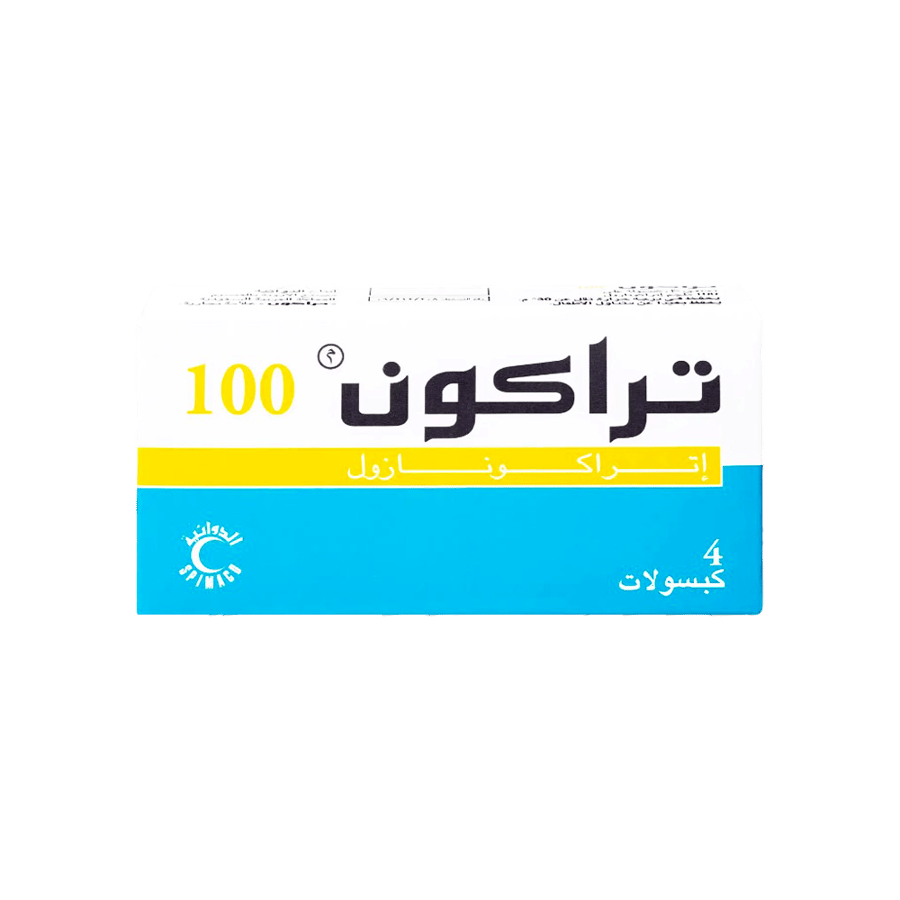

Tracon 100 mg 15 capsules
112.45ر.س
Product description
Tracon 100 mg capsule 15 capsules The active substance is Itraconazole What are the uses of Tracon? Treatment of fungal infections in immunocompromised patients or those at risk of immunodeficiency, including oral thrush, histoplasmosis. Used to treat aspergillosis (when resistant or intolerant to amphotericin B). Treatment of nail fungi (onychomycosis) in toes or fingers. The oral solution is used to treat oral and esophageal candidiasis. What are the contraindications of Tracon? Known hypersensitivity to azole derivatives. Concurrent use with cyproheptadine, dufatylide, ergot derivatives, levomethadyl, lovastatin (orally), midazolam, nicoldepine, pimozide, quinidine, simvastatin, triazolam. Treatment of nail fungus (or other non-life-threatening conditions) in patients with ventricular weakness, heart failure, or a history of heart failure; treatment of nail fungus during pregnancy. What are the side effects of Tracon? The most common side effects: nausea, diarrhea, vomiting, abdominal pain. Edema (fluid retention), high blood pressure. Skin rash, itching. Headache, fatigue. What are the precautions for using Tracon? The dose should be reduced according to creatinine clearance in patients with renal impairment. Hearing loss: Using this medication concurrently with quinidine (contraindicated together) has been associated in many cases with hearing loss, which usually returns to normal after stopping the medication, but may persist in some patients. Heart failure: (Warning — not used to treat nail fungus or other non-life-threatening conditions in patients with ventricular weakness, heart failure, or a history of heart failure); a negative impact on muscle contraction after intravenous injection has been observed. Treatment should be stopped and re-evaluated if signs or symptoms of heart failure appear during treatment. Used with caution in patients with risk factors for heart failure (chronic obstructive pulmonary disease, renal failure, edema disorders, neurological diseases, or valvular diseases). Liver function should be monitored during prolonged treatment. Used with caution in patients with liver dysfunction. Neuropathy: The medication should be discontinued if signs or symptoms of neuropathy appear during treatment. Cystic fibrosis: Significant differences in the pharmacokinetics of itraconazole have been observed in cystic fibrosis patients; if the patient with cystic fibrosis does not respond to treatment, alternative therapies should be considered. Pregnancy: Not used during pregnancy to treat nail fungi, and an effective contraceptive method should be used during treatment and for two months afterward. Lactation: It may be excreted in breast milk, not used. What are the drug interactions of Tracon? If you are taking any of the following medications, inform your doctor or pharmacist, as dose adjustment or specific tests may be needed: Itraconazole should not be used with the following: cyproheptadine, dufatylide, ergot derivatives (ergotamine), levomethadyl, lovastatin (orally), midazolam, nicoldipine, pimozide, quinidine, simvastatin, triazolam. Cyclosporine. Theophylline, phenytoin, sulfonylurea compounds, rifampicin, warfarin. The absorption of itraconazole requires an acidic environment, so its absorption from the gastrointestinal tract can be reduced when using aluminum, calcium, magnesium salts found in antacids, and other medications that reduce stomach acidity such as omeprazole. Antacids should be given one hour before or two hours after itraconazole. What are the dosage forms of Tracon? 40 mg, 20 mg What are the storage conditions for Tracon? The capsules should be stored in tightly closed containers away from light.

From Saihat