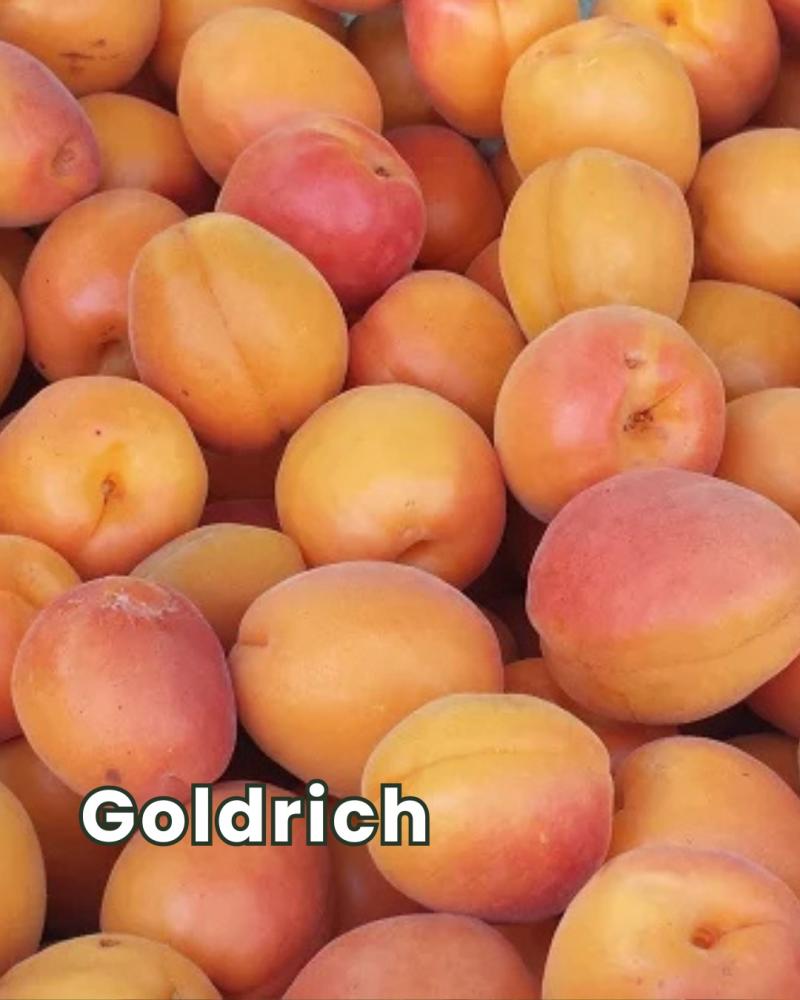


Apricot seedlings Gold Retch about 40-60 cm grafted premium variety
80ر.س
Out of Stock
Product description
🌿 Scientific name: Prunus armeniaca (Variety: Gold Rich) 🍑 Common name: Gold Rich Apricot 🟢 Type and use: Distinctive global apricot variety, cultivated for commercial and home production, known for its large size and high quality fruit. Suitable for fresh eating and processing (jam – drying). 🌞 Environment and light: – Needs full direct sunlight – Thrives in moderately cold and relatively cool areas – Requires good ventilation 🌡️ Temperature: – Needs moderate winter chilling hours – Tolerates cold more than many other varieties – Tolerates moderate summer heat 🌱 Soil: – Well-drained sandy loam clay soil – Prefers nutrient-rich soil – Does not tolerate waterlogging 💧 Irrigation: – Regular watering – Reduce during fruit ripening to improve taste – Avoid severe drought 🌾 Fertilization: – Organic fertilizer in winter – Balanced NPK during growth – Potassium important for fruit quality 🌸 Flowering: – 🌸 Blooms from late winter to early spring – White flowers with a pinkish hue – Relatively resistant to spring frost compared to others 🍑 Fruiting: – Large-sized fruits – Orange-golden color with slight redness – Firm flesh – Very sweet balanced taste (sugar + light acidity) – Separates easily from the pit (Freestone) – Suitable for transportation and storage ✂️ Pruning: – Annual pruning to stimulate production – Remove tangled branches – Shape the tree to improve ventilation 🌱 Propagation: – By grafting onto strong rootstocks – Seeds not recommended 🐛 Common pests and diseases: – Stem borer – Scale insects – Powdery mildew – Requires a light preventive program 🌿 Aesthetic and commercial features: – 🍑 Large size = market demand – Good yield – Tolerant to transportation – Suitable for fresh sale and processing 📏 Final size: – Height: 4 – 6 meters – Spread: 3 – 5 meters 📐 Recommended planting distances: Use Commercial planting: 5 × 5 meters Home planting: 4 – 5 meters 📌 Additional notes: – One of the most cold-tolerant varieties – Suitable for high-altitude areas like Al Baha – Its production is relatively stable compared to other varieties

From Almandaq