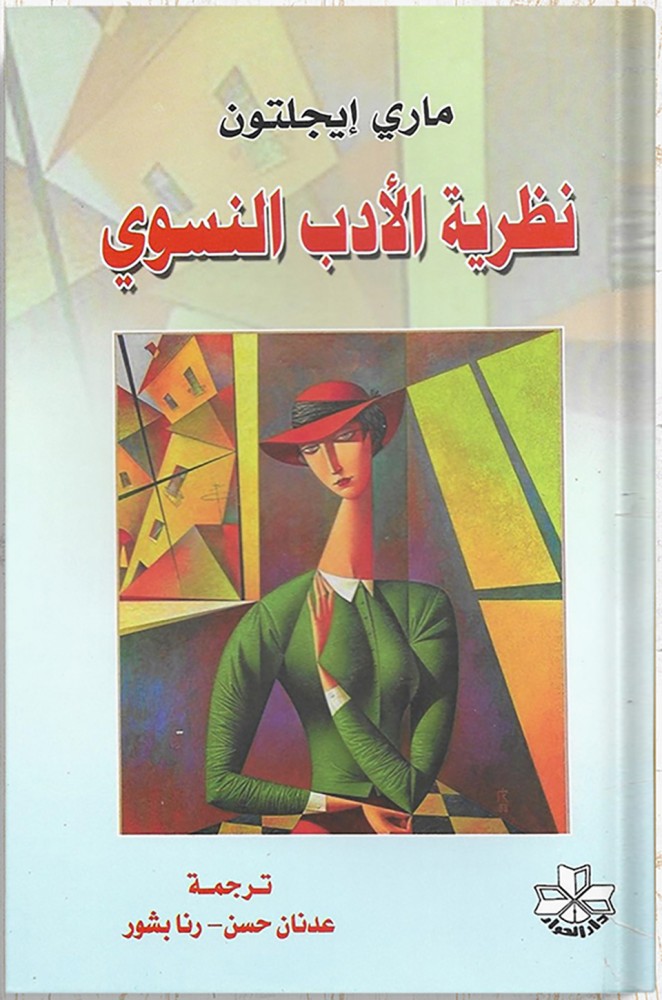
Feminist literary theory, by: Mary Eagleton
69ر.س
Product description
This book presents a panoramic historical overview of the various currents, schools, and pioneers of feminist literary criticism and their prominent figures in English-speaking countries. The book takes a documentary form, as it includes diverse testimonies and quotations from articles and books by a large number of British and American female writers, novelists, and critics, alongside some translated texts by French and German women writers; who represent different feminist critical and intellectual trends and movements, spanning from the mid-eighteenth century to the late twentieth century. The book traces the most important turning points and historical milestones experienced by feminist criticism, its association with the emergence and rise of the novel, and the role of pioneering female novelists such as Jane Austen, George Eliot, and the Brontë sisters, alongside the development of printing, journalism, publishing, and distribution. It also describes its influence by political and intellectual struggles in Europe and the United States, the women’s liberation movement and women’s struggles locally and globally, movements of Black and People of Color, international unions, and political parties. Additionally, it reflects its influence by intellectual and critical schools such as Marxism, psychoanalysis, formalism, structuralism, post-structuralism, French feminism, post-colonial theories, postmodernism, and the major debates and controversies that feminist literary criticism has witnessed and its struggle for recognition of its independence, tools, heritage, archive, history, concepts, and terminology such as sexuality, gender, gender studies, femininity, feminism, and their interconnection and interaction with concepts of race, class, ethnicity, nationalism, and identity. It includes testimonies from the most prominent pioneers of feminist literary criticism such as Virginia Woolf, Ellen Showalter, Judith Butler, Jacqueline Rose, Gayatri Spivak, Lucy Irigaray, Hélène Cixous, Hélène Cixous, and many others, in addition to some male critical voices classified as feminist. Number of pages: 687

Questions you might have